
Binna Burra sits in the Gold Coast hinterland where the rainforest becomes genuinely serious. The trails here aren’t manicured day walks. They’re old-growth subtropical rainforest paths that demand respect for humidity, slope, and the way vegetation moves when you’re not looking. After multiple visits across different seasons, the patterns become clear: what works, what fails, and what people consistently underestimate.
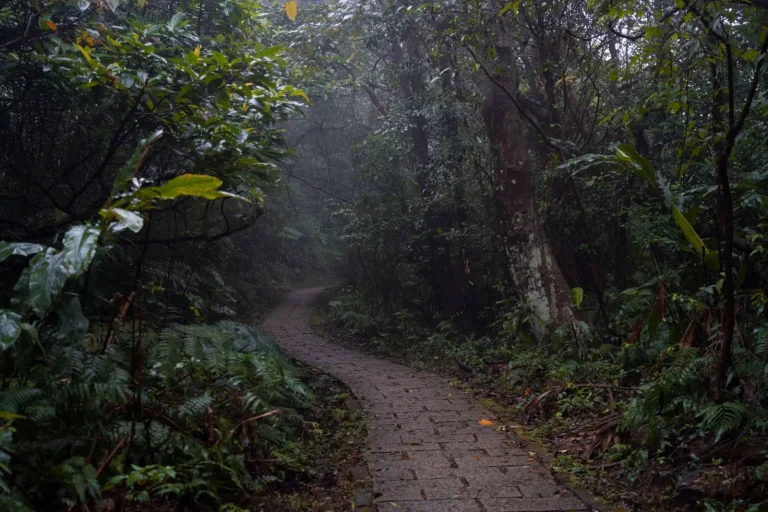
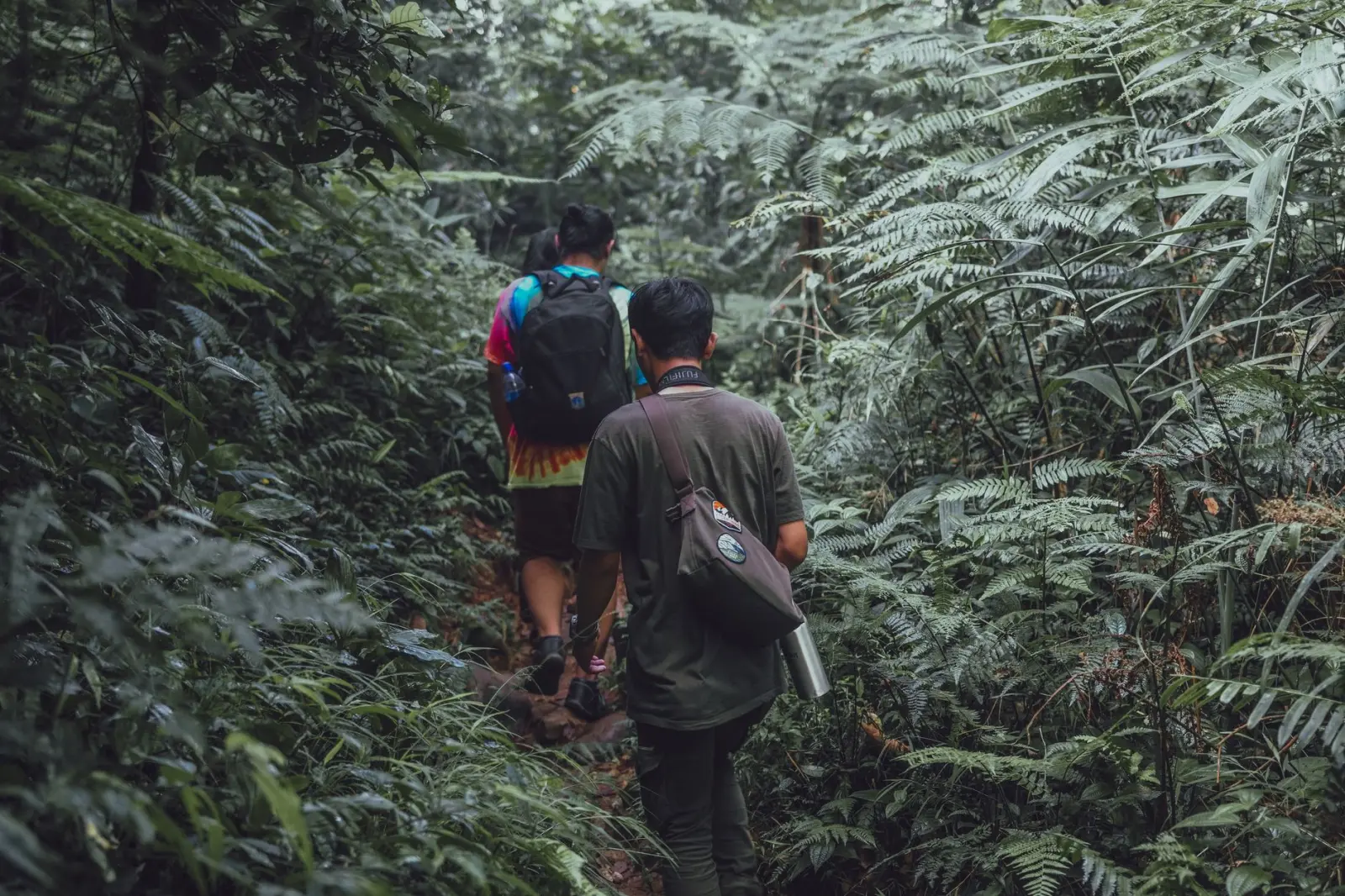
The forest itself is dense. Not the sparse, open kind you might imagine from photographs. The canopy closes overhead so thoroughly that even at midday, light arrives filtered and diffuse. The air sits heavy with moisture. Ferns cluster at ground level, vines drape between trees, and the floor itself is a layered system of leaf litter, root systems, and soft earth that shifts underfoot. Walking here is fundamentally different from open ridge trails or dry bushland. Your legs work differently. Your breathing changes. The sensory experience is immersive rather than expansive.
Timing and the Reality of Daylight
People arrive at Binna Burra with expectations shaped by other walks. They assume a three-hour loop means three hours of actual walking. That math breaks down quickly in rainforest. The terrain absorbs time. Steep sections require careful foot placement. Wet rocks demand slower movement. Root systems create natural steps that don’t align with a normal stride. A trail marked as 5 kilometers might take four hours rather than ninety minutes, depending on conditions and your familiarity with the terrain.
The light situation is critical and often missed. Because the canopy is so dense, darkness arrives faster than it does in open country. By 5 PM in winter, the forest is genuinely dim. By 4:30 PM, you’re already thinking about it. Summer extends this window, but the principle holds: start walks early enough that you finish with clear light remaining. Headlamps are not optional equipment. They’re essential backup. I’ve seen experienced walkers caught out by underestimating how quickly the forest dims, and the experience of navigating steep, root-tangled terrain in near-darkness is something you want to avoid entirely.
The Physical Demands Are Specific
Binna Burra’s trails are steep. Not consistently – there are flat sections – but the elevation changes are genuine. The walk to the Coomera Falls involves sustained descent and then the return climb. Your quads and calves feel it. Your knees feel it more. The ground is rarely stable in the way that packed earth or rock provides. The forest floor gives slightly. Roots shift. Wet sections are slippery in a way that dry rock isn’t. Your body compensates constantly for instability, which means muscles work harder and fatigue accumulates faster than on more conventional trails.
Humidity is the constant. Even on cooler days, the air is thick. Sweat doesn’t evaporate efficiently. Your core temperature rises. Hydration becomes essential not as a nice-to-have but as a genuine necessity. People underestimate how much water they need. A two-liter bladder is reasonable for a moderate walk. Three liters is safer. The physical demand isn’t just about distance or elevation – it’s about sustained effort in conditions that don’t allow your body to cool efficiently.
Navigation and the Difficulty of Staying Oriented
The trails are marked, but the forest creates visual confusion. Trees look similar. Sections of path can seem to fork when they’re actually just variations in the main route. Fallen trees sometimes create alternative routes that aren’t official. The canopy overhead means GPS signals are unreliable. A map helps, but reading it while navigating dense vegetation is slower than on open terrain. Most people manage fine on main trails, but it’s worth understanding that rainforest navigation is more cognitively demanding than ridge walking or open bushland.
Weather changes the experience significantly. Rain transforms the trails. Rocks become genuinely treacherous. Visibility reduces. The forest becomes louder – water noise obscures other sounds. Wet conditions also mean that the forest floor becomes unstable in sections where it was merely soft before. I’ve walked Binna Burra in light rain without major issues, but heavy rain fundamentally changes the risk profile. Wind in the canopy is less of a concern than on exposed ridges, but falling branches are a real consideration in strong weather.
What Makes the Effort Worthwhile
The rainforest itself is the reward. Not in a postcard sense, but in the actual experience of being inside a complex ecosystem. The sound environment is rich – bird calls, water moving through the forest, the rustle of vegetation. The air quality is genuinely different from outside the rainforest. The temperature is cooler. The sensory experience is immersive in a way that’s rare in modern life. People who walk these trails often describe feeling something shift in their nervous system – a slowing down, an attentiveness that doesn’t happen in busier environments.
The waterfalls and creek systems are real destinations, not just excuses for the walk. Coomera Falls has genuine presence. The water volume, the rock formations, the vegetation around the falls – these create focal points that justify the effort. Similarly, the views from higher points, when you reach them, carry weight because you’ve earned them through actual physical effort. There’s no sense of false achievement here. The walk is difficult enough that reaching any destination feels genuine.
The forest changes seasonally, which means repeat visits reveal different conditions. Winter brings clearer light and lower humidity. Summer brings more water flow in the creeks and more active wildlife. Autumn can be quiet. Spring brings flowering. People who walk Binna Burra multiple times tend to develop preferences for particular seasons, and those preferences are usually rooted in real experience rather than abstract preference.
The practical reality of walking Binna Burra’s rainforest trails is that they demand preparation, realistic timing, and respect for conditions. They’re not difficult in a technical sense – no climbing or scrambling required on main trails – but they’re demanding in terms of sustained physical effort, navigation attention, and weather awareness. People who arrive with those expectations, who start early, who carry adequate water and a headlamp, who move at a pace that allows for stable footing, tend to have experiences that stay with them. The forest doesn’t reveal itself to people who rush through it or underestimate what it requires.