Binna Burra sits on the border between New South Wales and Queensland, perched on the McPherson Range at around 900 metres elevation. The rainforest here is dense, layered, and genuinely alive in ways that take time to understand. After spending considerable time moving through this landscape, what becomes clear is that the wildlife isn’t scarce – it’s just that most visitors encounter only a fraction of what lives here, and usually the same handful of species. The animals aren’t hiding exactly. They’re following patterns that make sense once you understand the rhythm of the place.
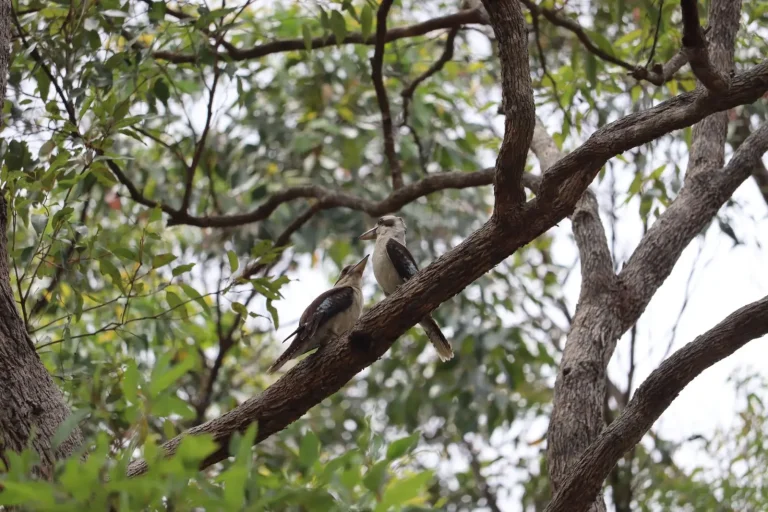
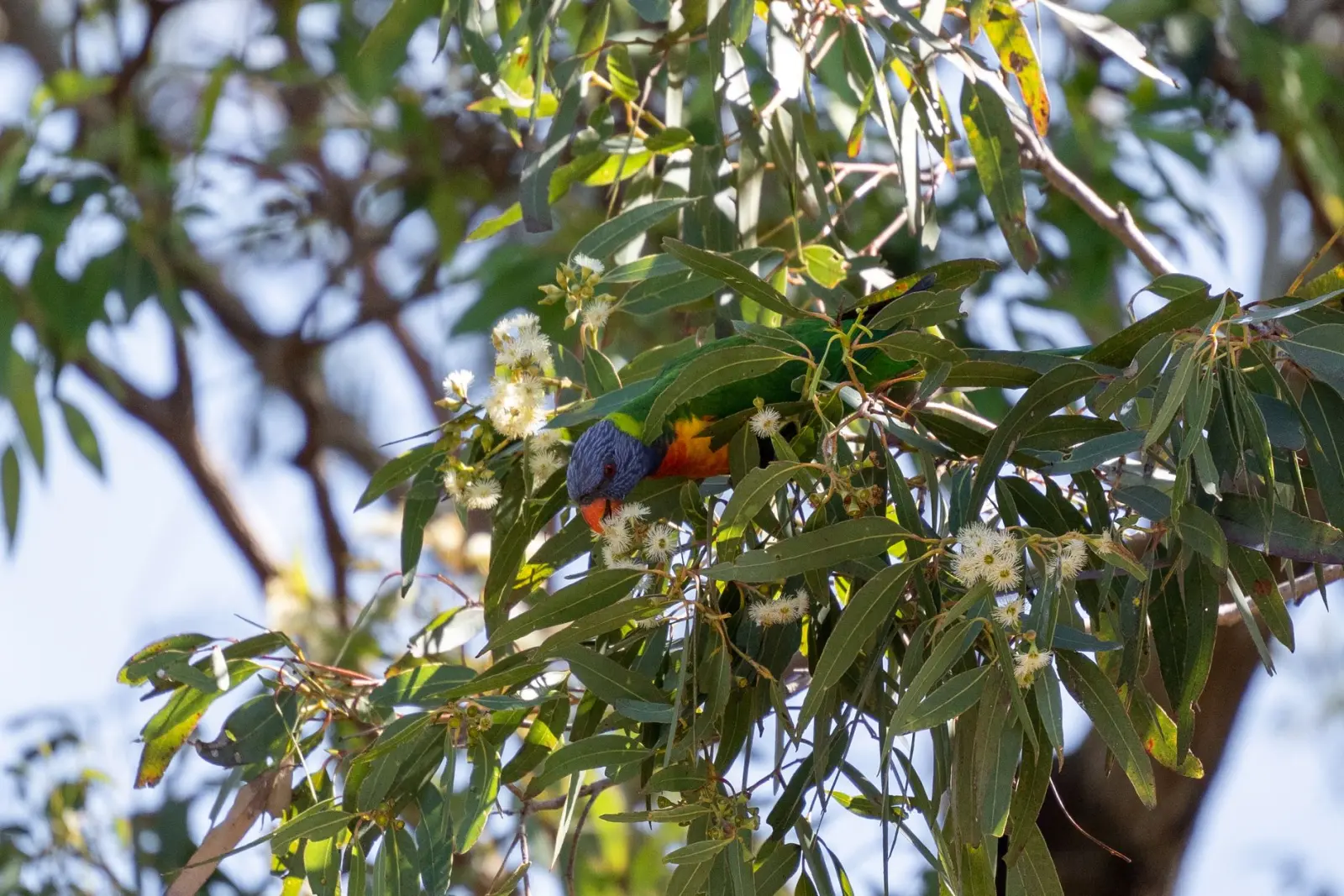
The most obvious residents are the birds. Kookaburras, lorikeets, and currawongs make noise from dawn, and you’ll hear them before you see them. The laughing kookaburra’s call is unmistakable and carries across the valleys. Crimson rosellas move through the canopy in small flocks, their red plumage surprisingly visible against the green, though they move quickly. What catches many visitors off guard is how much of the birdlife operates in the upper canopy, well beyond comfortable viewing distance. The smaller honeyeaters and warblers stay in the mid-story vegetation, and unless you’re patient or equipped with binoculars, you’ll mostly hear them rather than see them. Early morning, roughly between 5:30 and 7:00 AM, is when bird activity peaks. After that, things quiet considerably.
Reptiles and the Overlooked Ground Layer
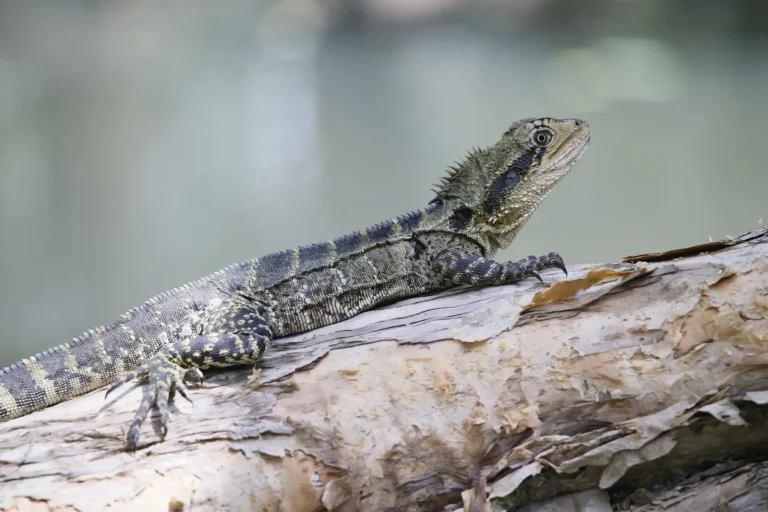
The reptiles here are where things get interesting, and where most people miss what’s actually happening. Blue-tongued lizards are present and occasionally visible, particularly in warmer months. They move slowly and deliberately, and if you encounter one on a walking path, it will usually hold its ground rather than flee. Smaller skinks dart across leaf litter constantly, but they’re easy to dismiss as just movement in the undergrowth. What’s more significant is the snake population. Eastern brown snakes, carpet snakes, and various non-venomous species inhabit the area. They’re not aggressive, and encounters are uncommon if you’re moving deliberately and watching where you step. The real pattern here is that reptile activity increases substantially in late spring and summer when temperatures climb, and decreases noticeably during cooler months.
Frogs are present year-round, and their calls at dusk and through the night are constant during breeding season. The Eastern dwarf tree frog, various species of stream frogs, and larger species like the Tusked frog occupy different niches. You’ll hear them far more often than you’ll see them, particularly if you’re walking during daylight. At night, with a torch, frog spotting becomes more productive. The leaf litter itself is worth examining if you have patience. Turn over logs or leaf piles carefully and you’ll find invertebrates, small skinks, and occasionally salamanders. This is where the real biodiversity becomes apparent, though it requires deliberate attention.
Mammals: Present but Cryptic
Mammals at Binna Burra present a different challenge. Brushtail possums are common and nocturnal. You might hear them moving through branches at night, or see them in torchlight if you’re out after dark. They’re not particularly shy, but they’re active when most visitors are sleeping. Gliders – sugar gliders and squirrel gliders – inhabit the canopy, and while they’re present, seeing them requires luck or specific knowledge of where they’re active. Wallabies and small macropods move through the area, particularly in early morning and late afternoon, but they tend to avoid human activity and are more likely to be spotted on quieter trails or at the forest edge.
What’s often overlooked is the presence of smaller mammals. Echidnas do occur here, though spotting one is relatively rare. Bandicoots and other ground-dwelling marsupials are present but nocturnal and cryptic. Bats are numerous – several species of microbats hunt insects at dusk, and larger fruit bats may be heard rather than seen. The mammal population here is real and diverse, but it operates largely outside standard visitor hours and visibility patterns. This isn’t a location where you’ll encounter abundant mammal sightings during a daytime walk. It’s possible, but it requires either luck or specific knowledge of animal behavior and timing.
Seasonal Shifts and What Changes
The wildlife experience at Binna Burra shifts noticeably between seasons. Spring brings increased bird activity and breeding behavior. Summer brings more reptile activity and higher insect populations, which in turn supports more predatory species. Autumn sees some species becoming less active as temperatures drop, though the cooler months aren’t quiet – they’re just different. Winter is the quietest period for overall wildlife visibility, though certain species remain active. Rainfall patterns matter significantly. After heavy rain, the forest becomes more active – frogs call, insects emerge, and animals move more freely. Dry periods tend to concentrate wildlife around water sources.
The reality of wildlife observation at Binna Burra is that it rewards patience and specific timing far more than it rewards casual walking. The animals are there. The diversity is genuine. But the experience depends heavily on when you visit, how long you’re willing to move slowly through the forest, and whether you’re prepared to be out during the hours when most animals are actually active. A dawn walk on a quiet trail will yield more wildlife observation than a midday stroll on a main path. Staying still and listening often reveals more than constant movement. The forest isn’t empty. It’s just that seeing it requires understanding its rhythms.