
After years of walking the rainforest pockets around Sydney, I’ve noticed that what people imagine before they arrive rarely matches what they experience on the trail. Most visitors expect lush, dense jungle with dramatic waterfalls and minimal effort. What they actually encounter depends entirely on which walk they choose and what season they arrive in. The rainforests near Sydney aren’t tropical – they’re subtropical wet forests, and that distinction matters more than most guides acknowledge.
The geography works in your favor if you know where to look. Within an hour’s drive from the city center, you have access to several genuine rainforest environments that offer real immersion without requiring a flight north. These aren’t manicured nature reserves with boardwalks and interpretive signs at every turn. They’re working ecosystems where the canopy is dense, the understory is complex, and the ground stays damp even weeks after rain.
What separates a mediocre walk from a worthwhile one often comes down to water. Rainforests without streams or waterfalls feel claustrophobic and repetitive after thirty minutes. Rainforests with water – whether a creek system or a decent waterfall – give you visual variety and a reason to keep moving forward. The best walks in the Sydney region are the ones where water is central to the route, not incidental.
Dharug National Park and the Grose Valley
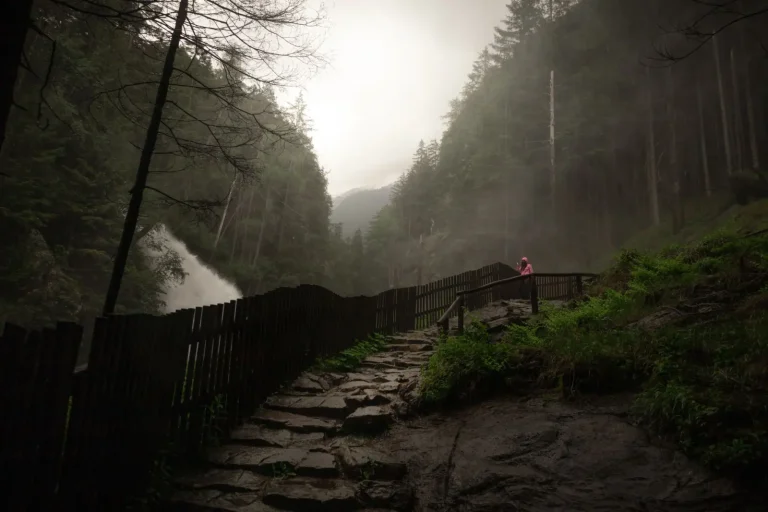
The Grose Valley circuit, accessed from Blackheath, sits at the top end for serious rainforest walking near Sydney. The valley floor holds genuine subtropical rainforest with tall trees, thick ferns, and a creek system that runs year-round. The walk itself is roughly 10 kilometers if you do the full loop, which takes most people five to six hours including stops. This isn’t a casual stroll. The descent is steep, the return climb is real work, and the track can be muddy and slippery even when it hasn’t rained recently.
What makes this walk stand out is the isolation. You’re in a deep valley with minimal phone signal, surrounded by forest that feels genuinely remote despite being less than two hours from the city. The creek is the constant companion – it’s cold, clear, and you cross it multiple times. In summer, the canopy is so dense that midday temperatures stay cool, which is a genuine advantage when you’re working hard on the climb back up.
The main drawback is logistics. Blackheath sits at the edge of the Blue Mountains, so you’re committing to a full day. The walk itself demands fitness and proper footwear. I’ve seen people turn back halfway through the descent because they underestimated the physical demand or wore inappropriate shoes. The track is well-marked but rough in places, and there’s genuine exposure on some sections of the descent – nothing dangerous, but nothing forgiving either.
Blue Gum Forest and the Colo River
Closer to the city, the Blue Gum Forest walk near Wisemans Ferry offers rainforest immersion with a shorter commitment. The walk is roughly 8 kilometers return and takes three to four hours at a moderate pace. The rainforest section is genuine – tall blue gums mixed with subtropical understory, ferns, and a river that’s the centerpiece of the route.
The river itself is the main attraction here. It’s cold, clear, and in warmer months people swim in the deeper pools. The walk follows the river for most of its length, so you’re never far from water. The canopy coverage is excellent, and the forest feels substantive rather than thin. This is one of the few walks near Sydney where you can genuinely feel surrounded by rainforest rather than just walking through scattered trees.
The trade-off is that the walk is popular, especially on weekends. The car park fills early, and you’ll encounter other groups on the trail. If you go midweek or early morning, the experience improves significantly. The track itself is well-maintained and less technical than the Grose Valley, making it more accessible for people with moderate fitness.
Warratah Falls and the Wollemi National Park
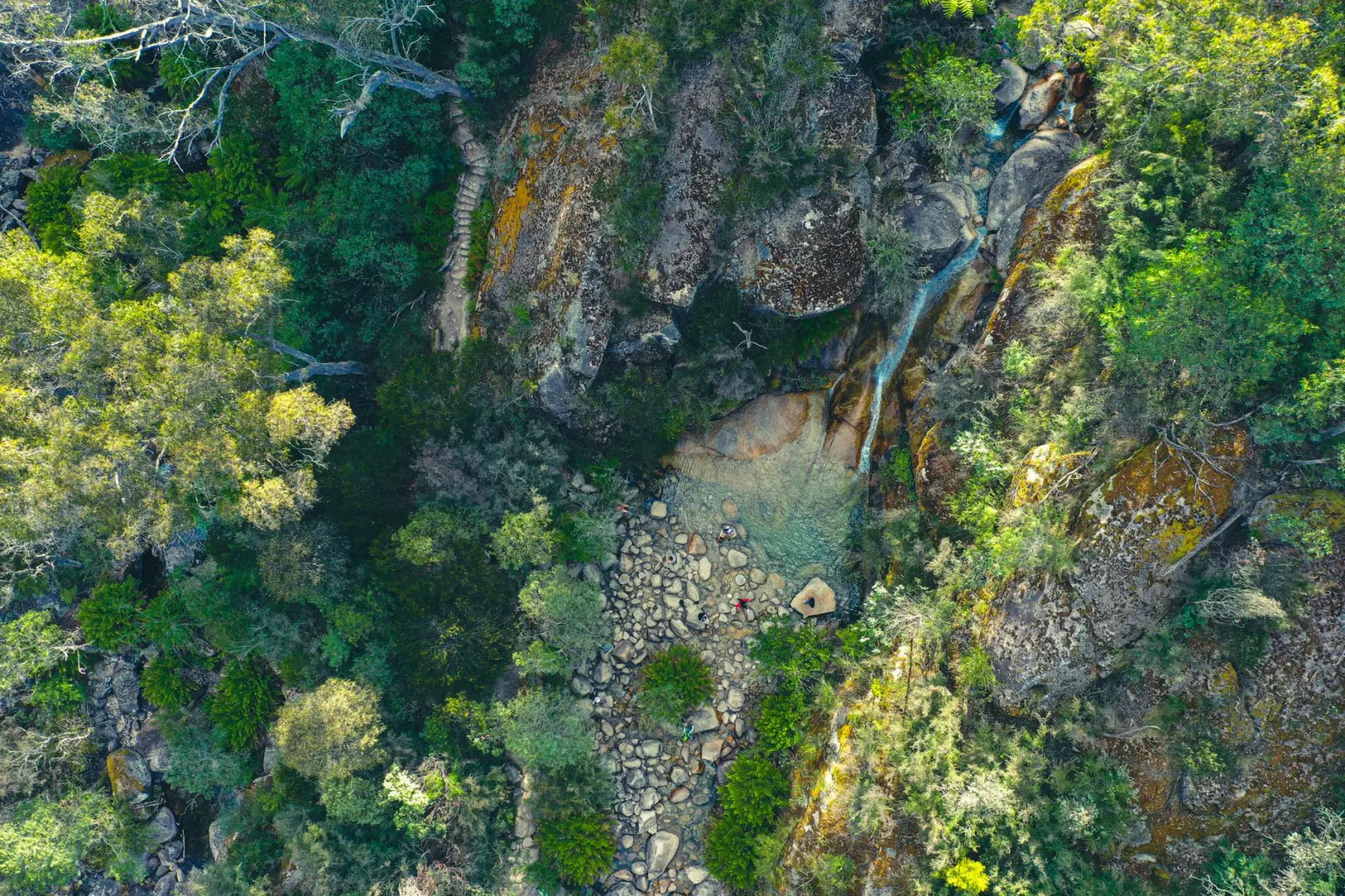
Warratah Falls sits in Wollemi National Park, roughly ninety minutes northwest of Sydney. The walk to the falls is about 5 kilometers return and takes two to three hours. This is a more compact option if you want rainforest without a full-day commitment. The falls themselves are modest – not a dramatic cascade – but the rainforest surrounding them is dense and well-preserved.
The track winds through tall trees and thick fern beds, with a creek that you follow for much of the walk. The understory is complex, and the overall canopy coverage is high. This walk tends to be quieter than Blue Gum Forest, partly because it requires a longer drive and partly because the falls themselves aren’t as visually impressive. That quietness is actually an advantage if you’re looking for a more immersive experience with fewer people.
One practical note: the road to the car park is unsealed for the final few kilometers. In wet conditions, it can become difficult to navigate, especially if you’re driving a low-clearance vehicle. I’ve seen people turn back because they weren’t prepared for that section of the approach. Check conditions before you go, and allow extra time for the drive if it’s been wet recently.
Lane Cove National Park
If you’re constrained by time or fitness, Lane Cove National Park on Sydney’s north shore offers rainforest sections without the full-day commitment. The park has several walking options, but the best rainforest immersion comes from the longer creek-side trails that follow the Lane Cove River through subtropical forest.
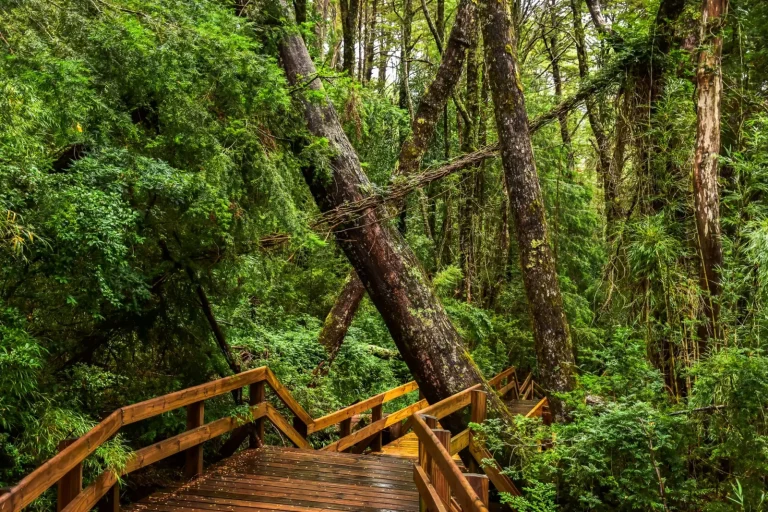
The advantage here is proximity and accessibility. The park is twenty minutes from the city center, and you can do meaningful rainforest walking in two to three hours. The understory is lush, the canopy is dense in places, and the creek adds visual interest. The trails are well-maintained and less technical than the mountain options.
The limitation is that the rainforest sections are interspersed with more open forest and parkland. You’re not immersed in rainforest for the entire walk – it’s more like moving in and out of different forest types. For someone who wants a taste of rainforest without traveling far, this works. For someone wanting genuine immersion, it’s a compromise.
What Actually Matters on the Ground
After doing these walks repeatedly, I’ve noticed that people’s satisfaction correlates less with the distance traveled and more with three specific factors: water presence, canopy density, and crowd levels. A shorter walk with a creek and thick canopy beats a longer walk through thin forest with few other people around. Season matters too. Spring and early summer offer the best combination of manageable temperatures and lush growth. Late summer can be hot and sticky under a dense canopy, and autumn brings fallen leaves that obscure the track in places.
Footwear is genuinely important and often overlooked. Proper hiking boots with good ankle support and grip make a significant difference on wet, uneven forest floors. Sneakers or casual walking shoes lead to rolled ankles and slipped feet, which I’ve seen end walks prematurely more than once. The ground in these rainforests is rarely flat or predictable.
Bring more water than you think you’ll need. Even though you’re surrounded by trees and often near creeks, the physical exertion combined with humidity means dehydration happens faster than expected. A hydration pack is more practical than carrying bottles, especially on technical terrain.
The rainforests near Sydney are worth experiencing, but they demand respect for the conditions and honest assessment of your own fitness and experience. Choose the walk that matches your actual ability and available time, not the one that sounds most impressive. The best walk is the one you finish feeling satisfied rather than exhausted or disappointed.