
The rainforest around Byron Bay gets a lot of attention, and most of it is deserved. What tends to get lost in the promotional material is the simple fact that not all walks are equal, and the ones that sound appealing on a website often play out very differently on the ground. After years of walking these trails – sometimes with visitors, often solo – I’ve developed a clear sense of which ones genuinely reward the effort and which ones feel like a box to tick before heading to the cafe.
The region sits at the northern edge of the Gondwana rainforests, a UNESCO World Heritage area that stretches inland from the coast. This means the vegetation is genuinely old and complex, not just a scenic backdrop. The walks vary wildly in difficulty, accessibility, and what you actually see when you get there. Timing matters too. Walking these trails in summer heat is a different proposition than autumn or winter, and the difference between a 9 a.m. start and a midday departure can determine whether you’re comfortable or exhausted.
The Minyon Falls Track
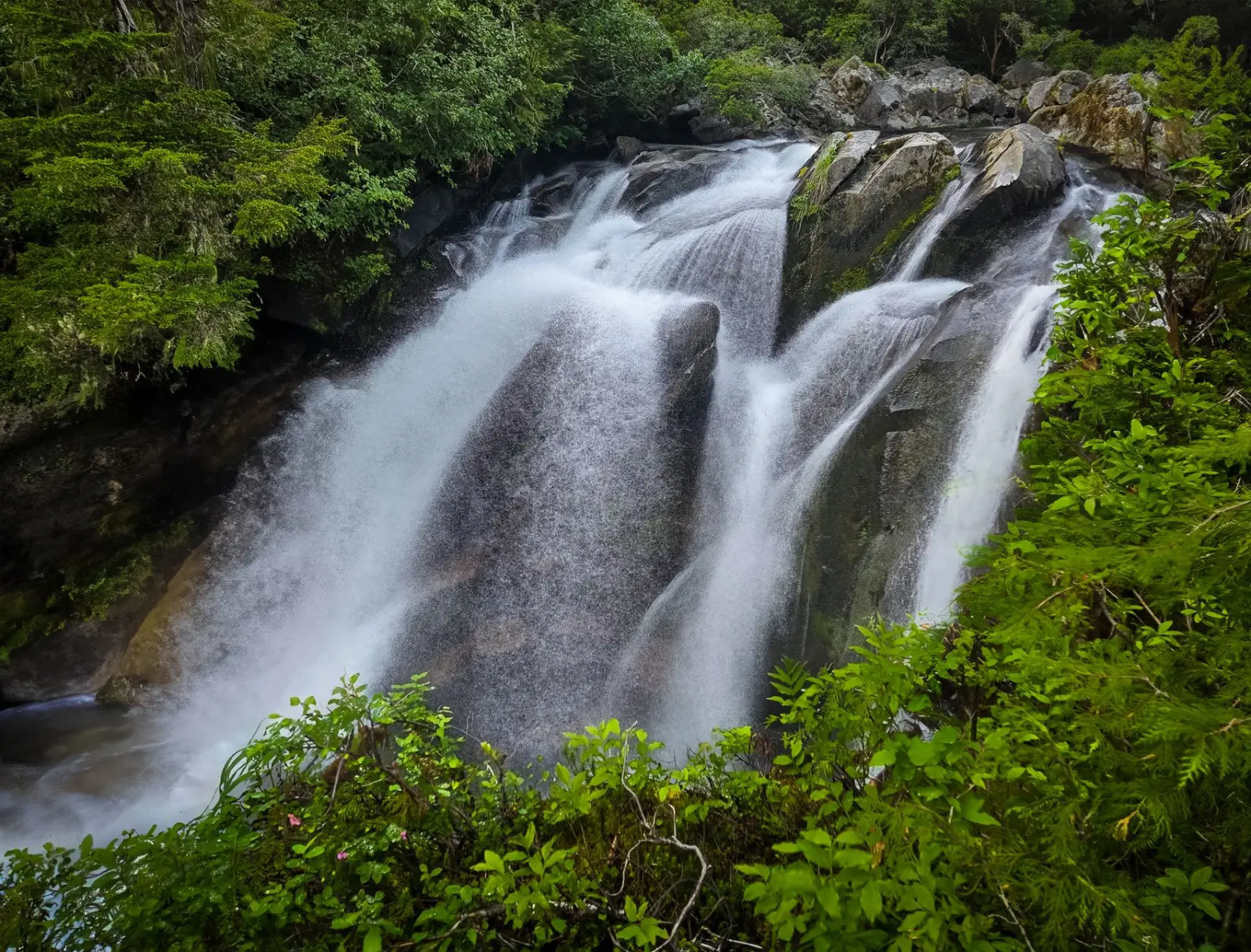
Minyon Falls is the walk most people have heard of, and it’s worth the reputation, though not always for the reasons visitors expect. The falls themselves are genuinely impressive – a 100-meter drop into a pool surrounded by rainforest that feels genuinely remote. The problem is getting there.
The walk is roughly 10 kilometers return, which doesn’t sound extreme until you factor in the terrain. The descent into the falls basin is steep and relentless, and the return climb is where most people feel the walk’s real difficulty. The track itself is well-maintained, but “well-maintained” doesn’t mean easy. Loose rocks, root systems, and the sheer gradient mean this isn’t a casual stroll. I’ve seen fit people underestimate the return journey and arrive back at the car park genuinely wrecked.
What makes it worthwhile is the isolation. By mid-morning, most day-trippers have turned back or haven’t arrived yet. If you start early – and I mean 7 a.m. or earlier – you’ll have the falls and the pool to yourself for at least an hour. The water is cold year-round, but on a hot day, that’s exactly the point. The walk takes around four to five hours total, depending on fitness and how long you linger at the pool.
Nightcap National Park Walks
Nightcap sits inland from Byron, about 30 kilometers west, and it’s where locals go when they want rainforest without the crowds. The park has several walks, and they’re genuinely worth exploring, though they require more planning than the coastal alternatives.
The Minyon Lookout walk is short – around 2 kilometers return – but the payoff is disproportionate. You emerge from dense rainforest onto a rocky outcrop with views across the caldera and out toward the coast on clear days. The walk is steep and brief, which means it’s perfect for people who don’t have hours to spare but want to experience the forest canopy and the geological structure of the area. I’ve done this walk dozens of times, and it’s one of the few that feels genuinely different depending on the season and time of day.
The Protestors Falls walk is longer and more immersive. It’s about 6 kilometers return and involves creek crossings and a proper descent into the rainforest basin. The falls themselves are smaller than Minyon, but the walk feels more integrated into the forest ecosystem. You’re moving through the understory, not just descending and ascending. The creek is permanent, which means there’s always water and usually bird activity. The walk takes two to three hours, and it’s less crowded than Minyon because it requires a bit more commitment and local knowledge to find.
The Nightcap Peak Track
Nightcap Peak is a different animal entirely. It’s a serious walk – around 8 kilometers return with significant elevation gain – and it’s genuinely challenging for most people. The reward is standing at 955 meters on a rocky summit with views across multiple valleys and, on clear days, all the way to the coast.
The track climbs steeply through rainforest for the first half, then opens into heath and rocky terrain as you approach the summit. This transition is worth noting because it means you’re not just walking through trees. The vegetation changes, the air feels different, and you get a sense of how elevation shapes the landscape. The descent is harder on the knees than the ascent, which is worth knowing if you have any joint concerns.
Most people underestimate the time this walk requires. Four hours is a reasonable estimate if you’re fit and moving steadily, but that doesn’t include stopping for photos or recovering at the summit. I usually allow five hours and don’t feel rushed. The walk is less crowded than Minyon Falls, partly because it’s genuinely harder and partly because it’s less well-known to casual visitors.
Minyon Scrub and Subtropical Rainforest
If you want to experience rainforest without the elevation gain, Minyon Scrub offers a different kind of walk. It’s a relatively flat 4-kilometer loop through subtropical rainforest, and it’s the kind of walk where you notice details because you’re not focused on your breathing or the next steep section.
The scrub is dense and wet, even in drier months. The canopy is thick enough that it’s cool and humid, and the understory is complex – ferns, vines, fallen logs, and a genuine sense of layered forest structure. The walk is easy enough for most fitness levels, which means you can actually pay attention to what’s around you. I’ve seen more wildlife on this walk than on the longer, more famous ones, partly because the slower pace and easier terrain mean you’re moving quietly and noticing movement in the trees.
Practical Reality
The key variable across all these walks is timing and fitness. Byron Bay attracts a lot of casual visitors who see “rainforest walk” and assume it’s a gentle nature experience. Most of these walks are steeper and more demanding than they sound on a website. The heat and humidity also matter more than people expect. A walk that feels manageable in April becomes genuinely difficult in January.
Water is essential, and most people don’t bring enough. A 10-kilometer walk in rainforest, even in cooler months, requires at least 2 liters of water per person. The shade makes it feel cooler than it is, and dehydration sneaks up on you. The ground is often wet and slippery, which means you’re working harder than you would on a dry trail. Good shoes with grip matter, and I’ve seen people turn back because they slipped on wet rock or roots.
The best time to walk these trails is autumn through early spring – roughly March to October. Summer is possible, but you need to start very early and accept that you’ll be hot and tired. Winter can be wet, which makes some tracks genuinely hazardous, but the cooler temperatures mean you can move at a steadier pace without overheating.
Most of these walks are best done solo or in small groups. Larger groups slow down, create more noise, and tend to turn the experience into a social event rather than a genuine engagement with the forest. If you’re walking with others, pick people who are comfortable with silence and steady pacing.