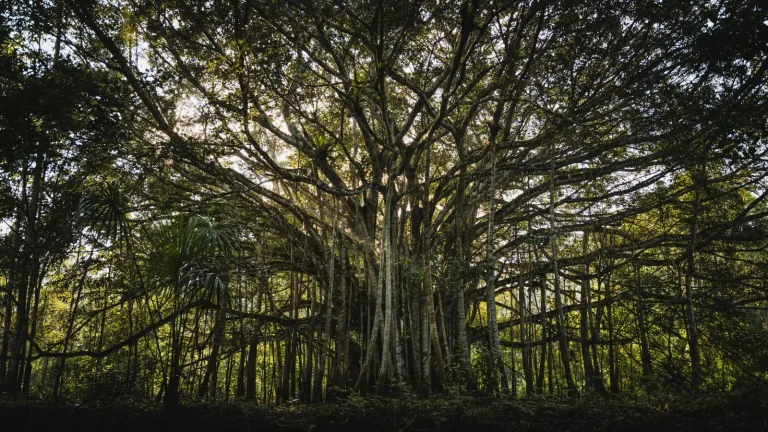

Springbrook National Park sits on a high volcanic plateau in Queensland, and its rainforest doesn’t behave like the tropical jungles most people imagine. The altitude changes everything. You’re working with a subtropical rainforest that cools considerably at night, receives consistent rainfall rather than seasonal bursts, and supports a narrower but more stable animal community than lowland tropical areas. After spending considerable time moving through these forests, you learn quickly that the wildlife here operates on rhythms that don’t match guidebook generalizations.
The most immediate reality is that you won’t see much during midday walks. The forest canopy is dense enough that ground-level temperatures stay moderate, but the animals themselves become inactive between roughly 10 a.m. and 4 p.m. This isn’t because they’re avoiding heat – it’s because the forest structure and the particular mix of food sources here means activity concentrates around dawn, dusk, and night. Most visitors arrive expecting to spot wildlife during convenient daylight hours and leave disappointed. The park doesn’t work that way.
What You Actually Encounter
The animals you’re most likely to see are the ones that have lost some wariness of human presence. Lyrebirds are common, and they’re bold enough to approach if you sit quietly near their feeding areas. They’re not tame – they’ll disappear instantly if you move – but they’re used to people and less reactive than animals in less-visited parks. You’ll hear them more often than you see them, their calls echoing through the gullies in ways that can be disorienting if you’re not expecting it. The mimicry is real and unsettling. I’ve heard them reproduce camera shutters, car alarms, and other birds with enough accuracy that it takes a moment to recognize it’s not the actual sound.
Whiptail wallabies move through the understory regularly, especially in the late afternoon. They’re small enough that you often notice them only after they’ve already noticed you and are moving away. The forest floor here is thick with leaf litter and fallen branches, so they make noise when they move, which gives you warning. Larger macropods are less common in the rainforest proper – they prefer the open forest edges – but you’ll find them on the plateau’s grassy areas if you’re walking early enough.
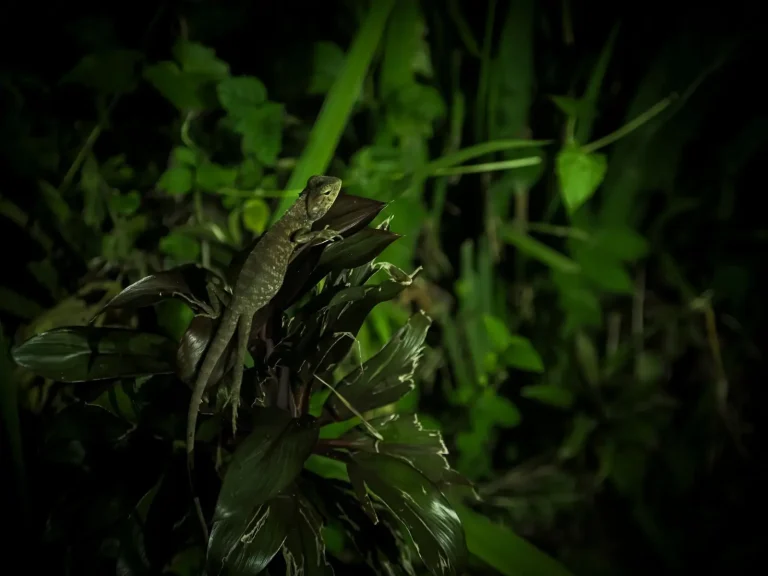
Reptiles are present but not obvious. Pythons live here, and so do various skinks and smaller snakes, but they’re cryptic and you’ll rarely see them unless you’re specifically looking in leaf litter or under logs. The cooler altitude means reptile activity is less constant than in lowland rainforests. They’re not basking on exposed rocks or moving visibly through the canopy. If you do encounter one, it’s usually accidental – stepping near a resting python or finding a skink while moving debris.
The Canopy and the Unseen Majority
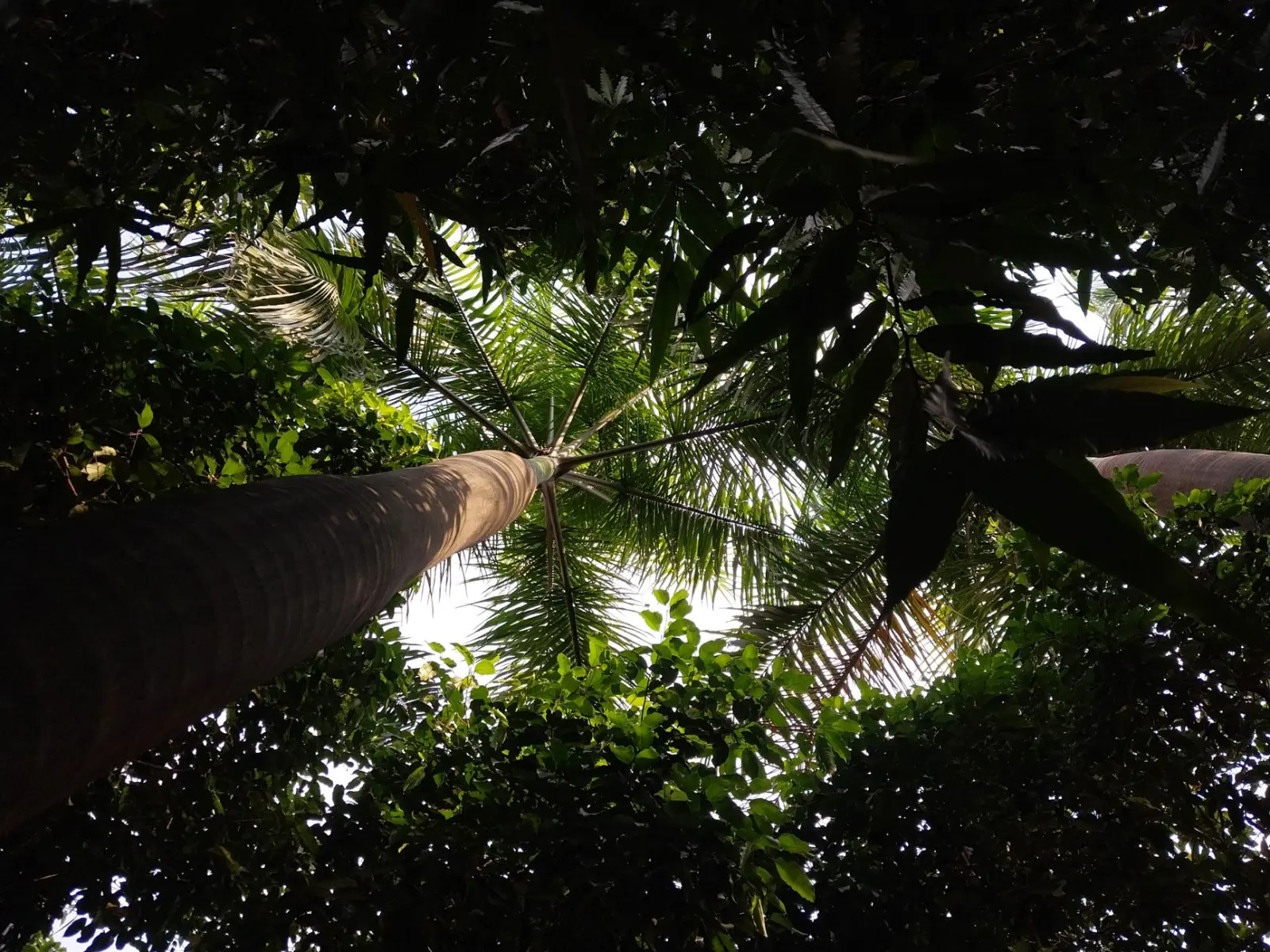
The real density of animal life exists in the canopy, which is largely invisible from the ground. Possums, gliders, and small marsupials spend their entire lives in the upper levels. You might hear them moving at night – branches creaking, the occasional call – but seeing them requires either being in the canopy yourself or having exceptional luck with spotlight work after dark. Most visitors never register that this entire parallel ecosystem exists directly above them.
Bird activity is constant but requires patience and attention. The subtropical rainforest supports a stable resident population rather than seasonal migrants, which means the same species are present year-round but their visibility fluctuates. Feeding birds are most active in the early morning and late afternoon. The calls are distinctive enough that you learn to identify species by sound before you see them. Bower birds, various honeyeaters, and smaller species move through the mid-story regularly. Larger birds like kookaburras and currawongs are heard more often than seen, their calls carrying through the forest in ways that make distance difficult to judge.
Seasonal and Weather Shifts
The animals respond noticeably to rainfall patterns and temperature changes. After heavy rain, there’s a brief spike in visible activity as animals emerge to feed or move. During dry periods, movement becomes more concentrated around water sources. The park receives good rainfall year-round, so you don’t get the dramatic dry-season congregation you’d see in other Australian ecosystems, but the animals still shift their patterns based on moisture and food availability.
Winter months bring cooler temperatures that affect reptile and amphibian activity. You’ll see fewer snakes moving, and frogs become less vocal. The mammals remain active but their patterns adjust slightly. Spring brings increased breeding activity and more vocal communication between animals, which makes them easier to locate by sound even if you don’t see them.
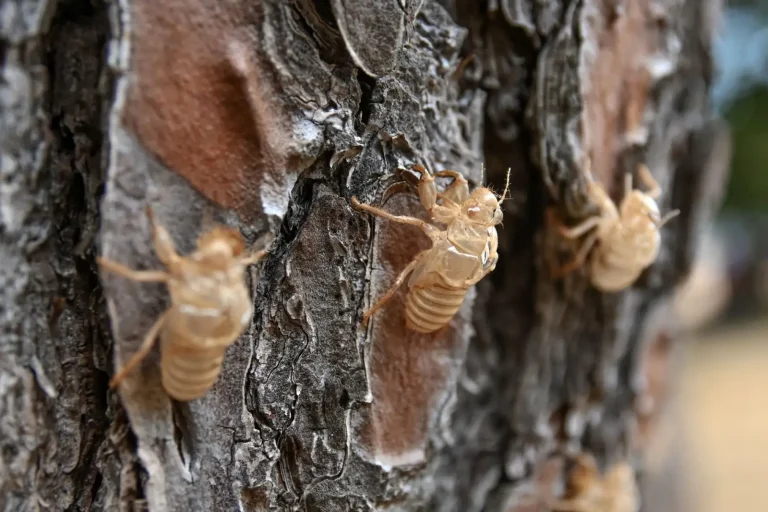
Insects are the foundation of everything here, though they’re rarely what people come to observe. The rainforest supports enormous insect diversity – beetles, spiders, ants, and countless others – and the vertebrate animals depend entirely on this base. When insect activity is high, everything else becomes more active. When it drops, the whole system quiets down. You notice this most clearly when walking after rain, when insects emerge and the entire forest seems to shift into higher activity.
Practical Realities of Observation
Spotting wildlife in Springbrook’s rainforest requires accepting that you’ll spend long periods seeing nothing obvious. The animals are there, but they’re not performing for observers. Early morning walks, before 8 a.m., give you the best chance of seeing active animals. Evening walks, starting around 4 p.m., work similarly. Midday walks are largely pointless if your goal is wildlife observation, though they’re fine for experiencing the forest itself.
Noise discipline matters more than most people realize. The forest is acoustic – sound travels and animals respond to it. Talking, even quietly, reduces your chances of seeing anything. Walking slowly and pausing frequently works better than steady movement. The animals know you’re there, but if you’re quiet and still, they’ll sometimes continue their activities rather than fleeing immediately.
The rainforest here is accessible and well-maintained, which means you’re never truly isolated, but it also means the animals are habituated to human presence without being tame. They tolerate people at a distance and move away if approached. This is different from true wilderness observation – the animals have learned human patterns and respond accordingly. Understanding this shapes realistic expectations. You’re not going to have dramatic wildlife encounters. You’re going to see fragments of animal life if you’re patient and present at the right times.