
Brisbane Water National Park sits north of Sydney, and the rainforest pockets within it hold a particular kind of wildlife that catches most visitors off guard. It’s not the dramatic biodiversity of a tropical rainforest, and it’s not the sparse scrubland you might expect from coastal NSW. Instead, it’s a transitional ecosystem where temperate and subtropical species overlap, creating something genuinely distinctive but easy to misread if you’re arriving with preconceptions.
The park’s rainforest patches exist because of specific geography. Sheltered valleys, permanent water sources, and the moderating influence of the coast create microclimates where rainforest species persist. But these aren’t vast tracts of jungle. They’re fragmented, sometimes narrow strips following creeks and gullies. This matters because it shapes what animals you encounter and how they behave. A wallaby in an open forest acts differently from one confined to a rainforest corridor. The animals here have adapted to living in compressed, interconnected spaces rather than open ranges.
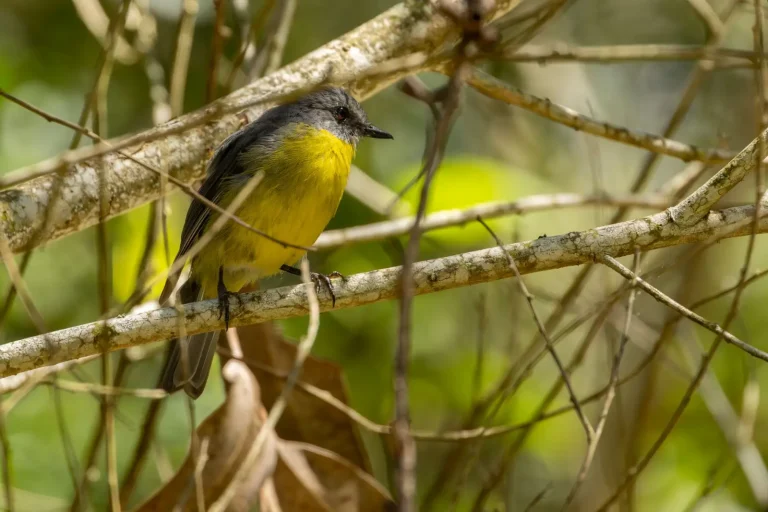
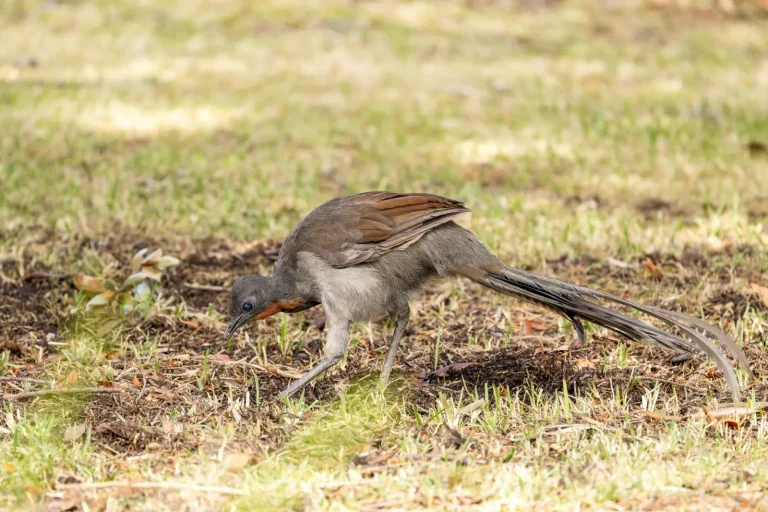
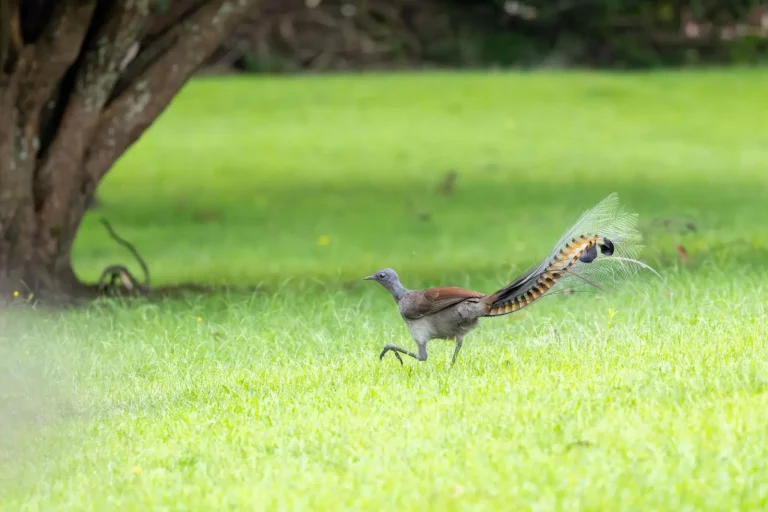
The most visible residents are the birds, though “visible” often means hearing them before you see them. Kookaburras are constant – their laughing calls define the acoustic landscape. Lorikeets move through in noisy flocks, particularly in early morning and late afternoon. Currawongs, with their distinctive three-note call, are harder to spot despite their size. Lyrebirds inhabit the deeper rainforest sections, and while their mimicry is famous, actually observing one requires patience and luck. They’re secretive birds that move through leaf litter, and most encounters happen when you’re stationary and quiet for extended periods.
Mammals and Their Real Distribution
Possums are the most frequently encountered mammals, though most sightings happen at dusk or after dark. Brushtail possums are common in the rainforest canopy and will visit camping areas if food scraps are left out. Ringtail possums are smaller, more delicate, and also present but less noticeable. Sugar gliders exist in the park but are genuinely difficult to see unless you’re actively looking at night with a torch. Their presence is more often confirmed by droppings and damage to trees than by actual sightings.
Wallabies occur in the park, particularly in more open areas and along forest edges. They’re most active at dawn and dusk, and their presence varies seasonally depending on water availability and food. The rainforest itself isn’t ideal wallaby habitat – they prefer more open ground. Bandicoots and potoroos are present but rarely encountered by day visitors. They’re small, nocturnal, and easily missed even when you’re walking through suitable habitat.
What often surprises people is the absence of larger mammals. There are no wombats, koalas, or kangaroos in the rainforest sections. These animals have specific habitat requirements that Brisbane Water’s fragmented rainforest doesn’t provide. Dingoes and feral dogs are occasionally reported but aren’t a reliable or frequent encounter. The mammal fauna here is weighted toward smaller, nocturnal, or crepuscular species.
Reptiles and Amphibians in Context
Snakes are present but encounters are genuinely uncommon despite what people fear. The rainforest floor is thick with leaf litter and fallen timber, which provides cover for snakes, but it also means they typically move away from humans before being detected. Most snakes in the park are non-venomous species like carpet pythons and keelbacks. Venomous snakes do occur – red-bellied black snakes are the most likely – but they’re not aggressive and bites are exceptionally rare. The risk is real but statistically minor compared to the anxiety people carry.
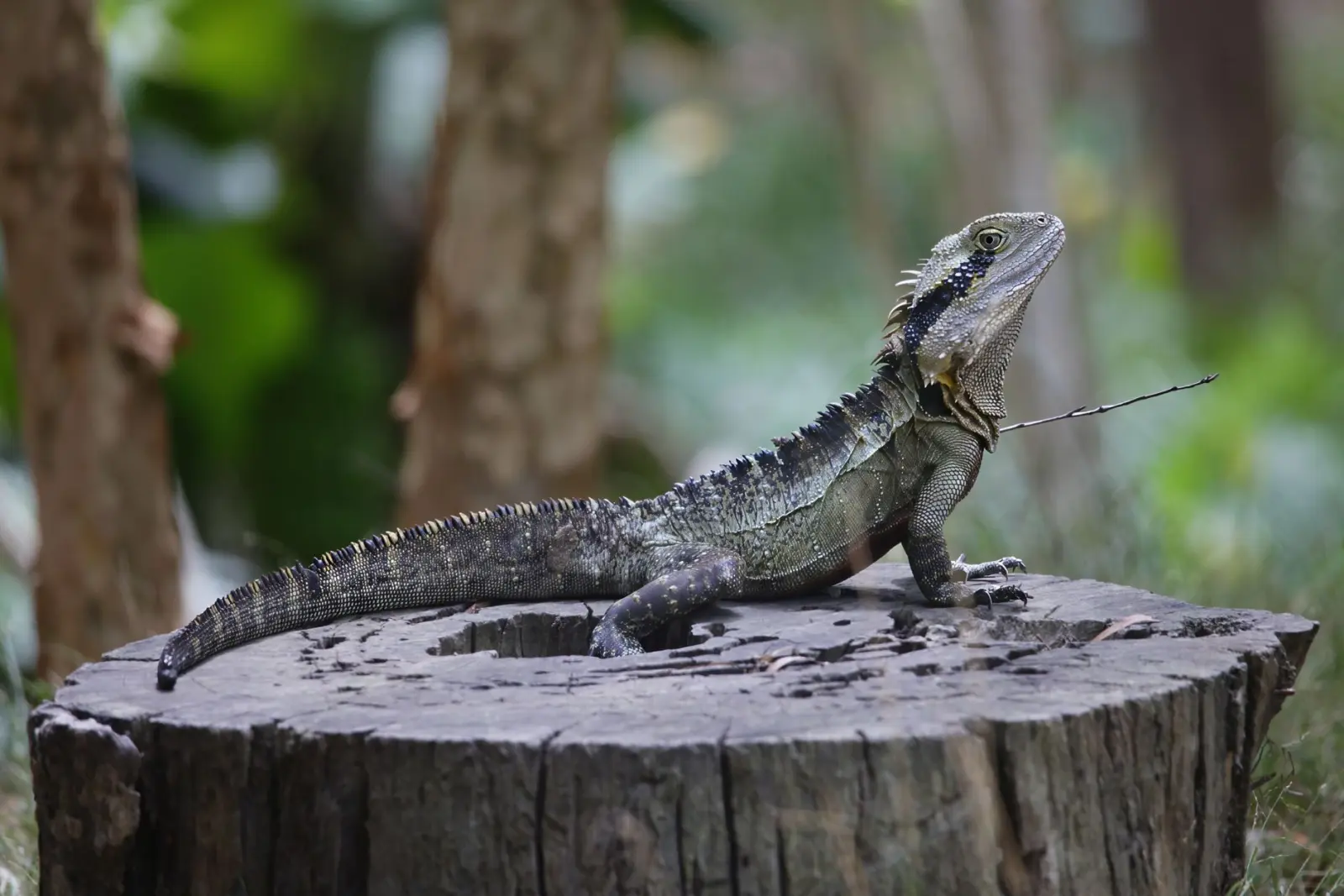
Lizards are more commonly seen. Blue-tongued lizards inhabit the park and are relatively docile. Smaller skinks move through the undergrowth and leaf litter. Goannas are present but not frequently encountered in the rainforest sections. Frogs are abundant, particularly after rain, and their calls at night are often the dominant sound in the rainforest. Several species are present, including some that are locally significant but not widely known outside the region.
Seasonal Patterns and Timing
Wildlife activity in Brisbane Water’s rainforest follows predictable seasonal patterns that most visitors miss. Spring and early summer bring increased bird activity as species breed and feed more actively. Late afternoon and early morning are consistently the best times for observation across all seasons. Wet weather changes everything – frogs become vocal, some birds become more active, and overall movement increases. Dry periods compress animals toward water sources, which can concentrate wildlife but also create stress and territorial tension.
Winter is quieter. Many birds are less vocal, some species move to lower altitudes or coastal areas, and overall encounter rates drop. This doesn’t mean the rainforest is empty – it’s simply less conspicuous. Nocturnal species remain active year-round, but observing them requires specific effort and equipment.
The reality of visiting Brisbane Water for wildlife is that you’ll see birds reliably, hear more than you see, and encounter mammals primarily through evidence rather than direct sighting. Possums might visit your campsite. You’ll probably hear lyrebirds without seeing them. Wallabies may appear at dawn on forest edges. Snakes will be present but invisible. This isn’t a limitation of the park – it’s the nature of temperate rainforest ecology. The animals here are adapted to living in complex, layered environments where visibility is limited and stealth is advantageous. Expecting a safari-style experience misses the actual character of the place. What you get instead is immersion in an active ecosystem where you’re observing fragments of a much larger whole.