
The Bunya Mountains sit in southern Queensland like a stubborn anomaly. They’re not high – the plateau peaks around 1100 metres – but they punch above their elevation in terms of what they ask of you. I’ve walked these forests dozens of times over the years, and the pattern is always the same: people arrive expecting a pleasant stroll through tall trees and leave with a clearer understanding of their own fitness and decision-making under fatigue.
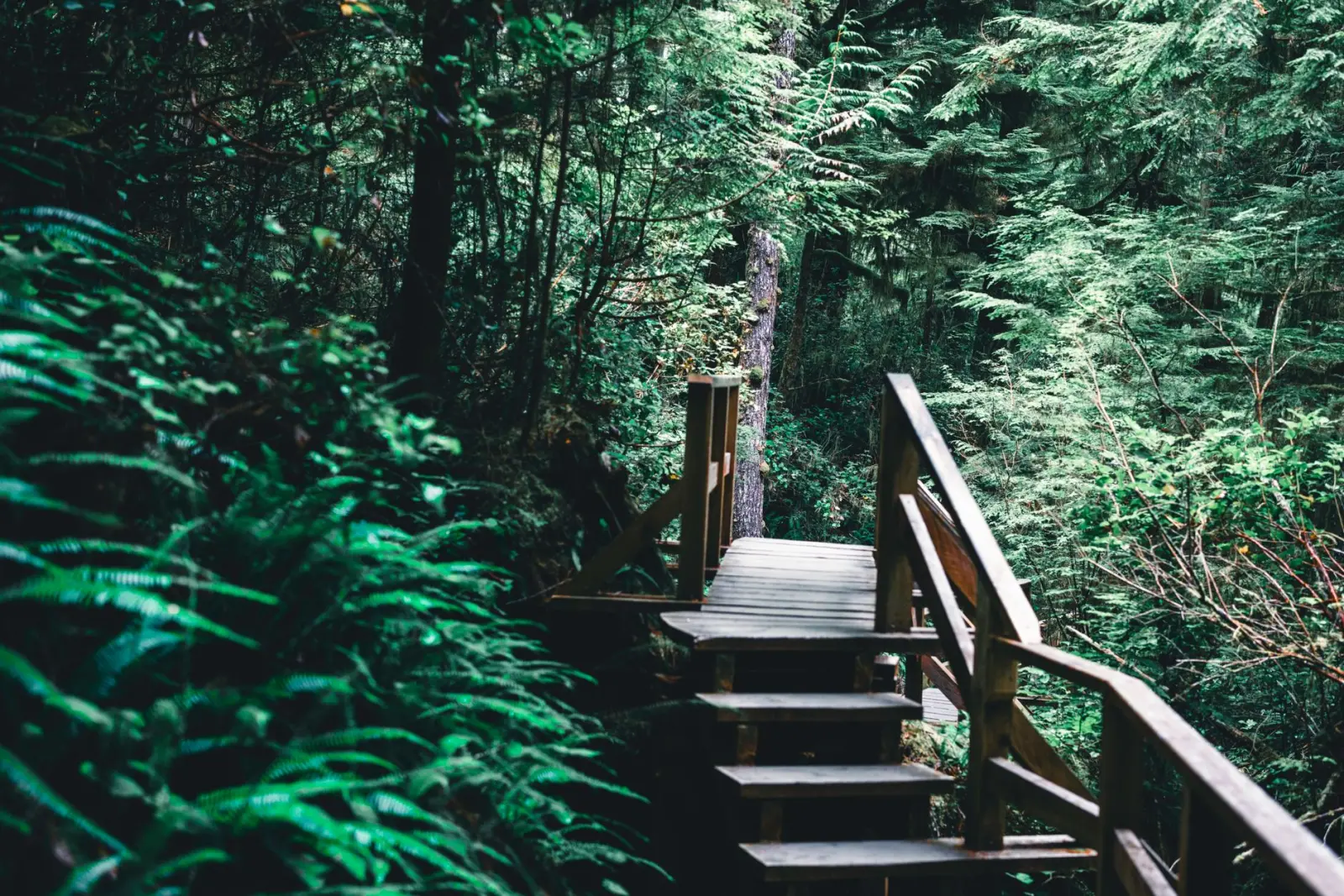
The forest itself is dense subtropical rainforest, which means the canopy closes in completely within minutes of leaving the car park. The light becomes green and muted. Temperature and humidity stay consistent regardless of the season, though winter mornings can surprise you with frost on the higher sections. The soil underfoot is volcanic, rich and dark, which sounds romantic until you’re managing your footing on a steep descent and realizing that “rich soil” often means “loose and unpredictable traction.”
Most walkers underestimate the elevation gain. The trails don’t feel steep in the moment because the forest absorbs your sense of scale. You’re surrounded by massive Bunya pines and strangler figs, your eyes are fixed on roots and rocks, and the gradient creeps up gradually enough that your legs don’t register the cumulative effort until you’re already committed. A walk marked as 8 kilometres and “moderate” can feel like 12 kilometres by the time you’re climbing out of a gully system in the afternoon.
The Terrain Beneath Your Feet
The volcanic substrate creates a particular kind of walking surface that changes dramatically depending on recent rainfall. When dry, the paths are firm but uneven – the ground is studded with exposed roots and small rocks that catch your foot if you’re not watching. The loose soil fills gaps between obstacles, so every step requires active attention. This isn’t a trail where you can zone out and let your body move on autopilot.
After rain, the same paths become slippery in ways that aren’t immediately obvious. The soil compacts and becomes almost polished. Roots that were secure footholds become hazards. I’ve seen experienced walkers lose their footing on what looks like a minor slope simply because they weren’t expecting the surface to shift. The forest drains reasonably well – it’s not boggy – but the moisture lingers in the soil for hours after rain stops.
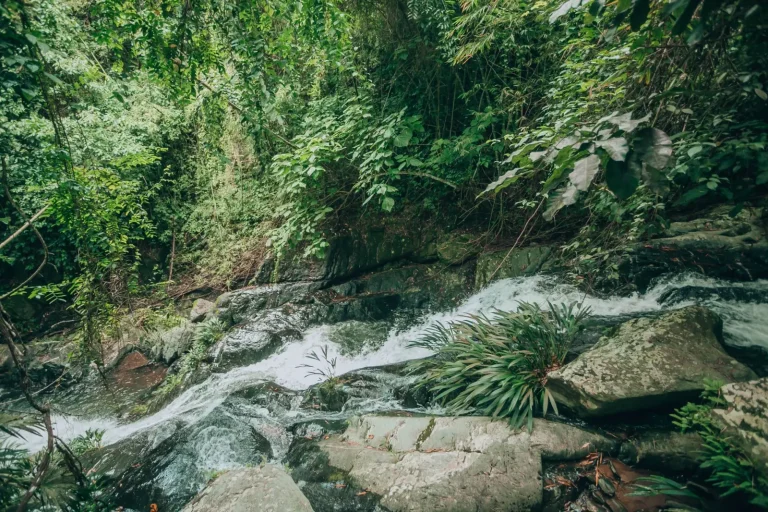
Water crossings are frequent on the longer routes. The creeks are rarely deep, but they’re often wide enough that you can’t simply step across. Most crossings have established rock hopping routes, though the rocks themselves are slippery and sometimes unstable. I’ve watched people spend ten minutes deciding how to cross a creek that takes thirty seconds if you’re decisive and careful. The indecision is often where problems start.
Weather and Visibility
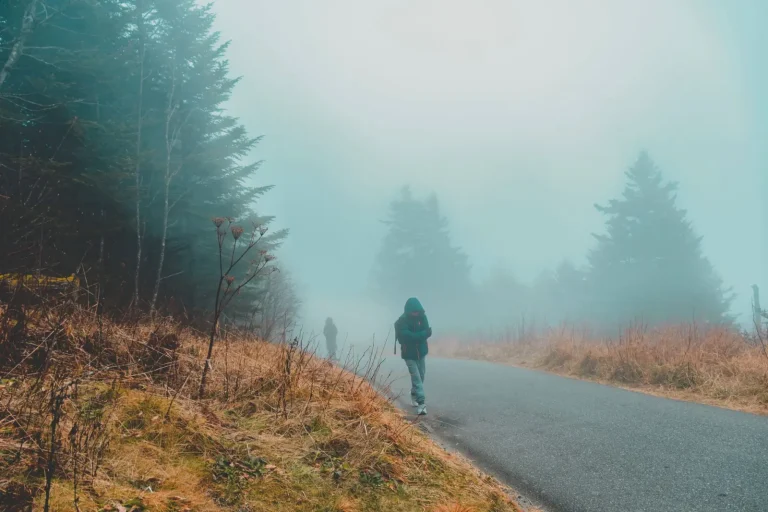
The Bunya Mountains generate their own weather. The forest canopy is so thick that you don’t notice wind or temperature changes until you’re already in them. Fog rolls in from the valley without warning, and suddenly your visibility drops to twenty metres. This isn’t dangerous if you’re on a well-marked trail, but it does something to your pace and your confidence. The forest becomes intimate and slightly claustrophobic rather than open and expansive.
Summer brings humidity that most people from southern Australia aren’t accustomed to. The air feels thick. Sweat doesn’t evaporate, it just accumulates. Your body works harder to cool itself, and your water consumption doubles without you realizing it until you’re rationing the last of your supply. I’ve seen walkers turn back not because they were injured or lost, but simply because the physical effort of moving through humid air for hours wore them down faster than they anticipated.
Winter is more forgiving in terms of temperature, but the morning frost on higher sections can make paths treacherous until the sun reaches them. The frost melts slowly under the canopy, and patches of ice can persist on shaded slopes well into the morning. Starting early and finishing before dark isn’t just good practice – it’s necessary.
Pacing and Fatigue Patterns
The most consistent mistake I observe is people starting too quickly. The forest is beautiful, the path is clear, and there’s an initial surge of energy that makes walkers feel capable of anything. By kilometre four or five, that energy has dissipated and the reality of the terrain becomes apparent. The legs are tired, the humidity is still pressing, and there’s still a significant portion of the walk remaining. Experienced walkers establish a sustainable pace from the beginning and stick to it regardless of how they feel in the first thirty minutes.
The descent is often harder than the ascent, which surprises people. Your quads absorb impact repetitively, and the mental focus required to navigate a steep, root-filled downslope is exhausting. By the time you’re back at the car park, many walkers have nothing left. This matters because it affects decision-making on the trail – tired people make poor choices about whether to continue or turn back, and they’re less stable on tricky footing.
Breaks matter more than distance covered. A ten-minute sit-down with water and something to eat can reset your entire physical and mental state. Most walkers don’t take enough breaks. They push through because they’re close to finishing or because they feel they should be able to manage without stopping. The forest doesn’t care about your internal narrative. It will exhaust you if you don’t manage your energy deliberately.
Navigation and Getting Turned Around
The trail system is well-marked by Queensland standards, but the forest is dense enough that it’s easy to miss a marker if you’re not actively looking for it. The paths fork frequently, and not all forks are signposted at the junction itself. I’ve encountered walkers who were confidently heading in the wrong direction because they’d missed a turn five minutes earlier and hadn’t realized it. By the time they noticed something was off, they were far enough into the wrong trail that reorienting took time and energy.
A map and compass, or a GPS device with offline maps, isn’t optional on the longer routes. Mobile reception is unreliable at best, and relying on it is a mistake. The forest canopy blocks signals, and the valleys can create dead zones. If you need to call for help, you might not be able to. This isn’t meant to sound dramatic – it’s just the reality of walking in a dense subtropical forest where the nearest road is often several kilometres away.
Turnaround times are crucial. Knowing when to stop and head back, regardless of whether you’ve reached your intended destination, is a skill that separates experienced walkers from people who get into trouble. The forest doesn’t care about your goals. If the light is fading or your energy is depleted, the right decision is to turn around and try again another day.
Walking the Bunya Mountains teaches you something about the difference between being fit and being adapted to a specific terrain. You can be strong and still struggle here if you’re not used to the particular demands of dense forest, volcanic soil, and sustained elevation gain. The forest is patient. It will be there next time, and the lessons it teaches tend to stick with you.