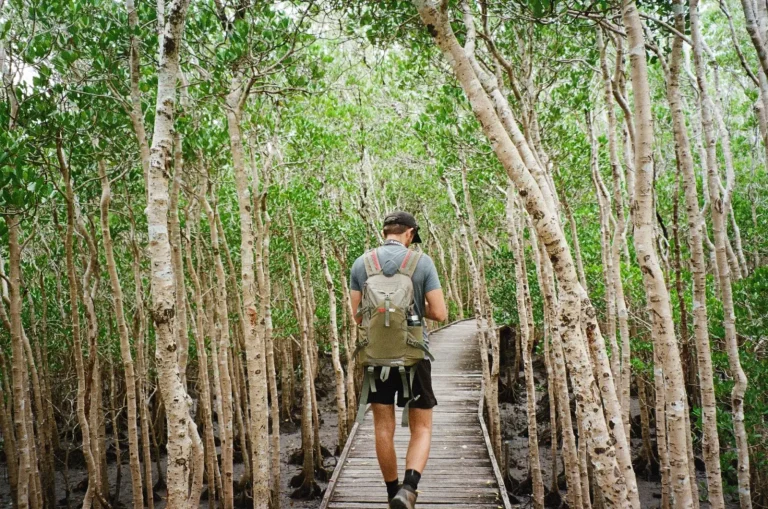

Hinchinbrook Island’s rainforest sits in a particular climate zone that catches most people off guard. The moisture doesn’t just come from rain – it’s constant, even on dry days. The canopy holds humidity like a closed greenhouse, and by mid-morning, your clothes are damp from sweat and ambient moisture combined. This isn’t a minor comfort issue; it affects how your body regulates temperature, how quickly your skin breaks down, and how long you can sustain physical effort without needing to stop and dry out.
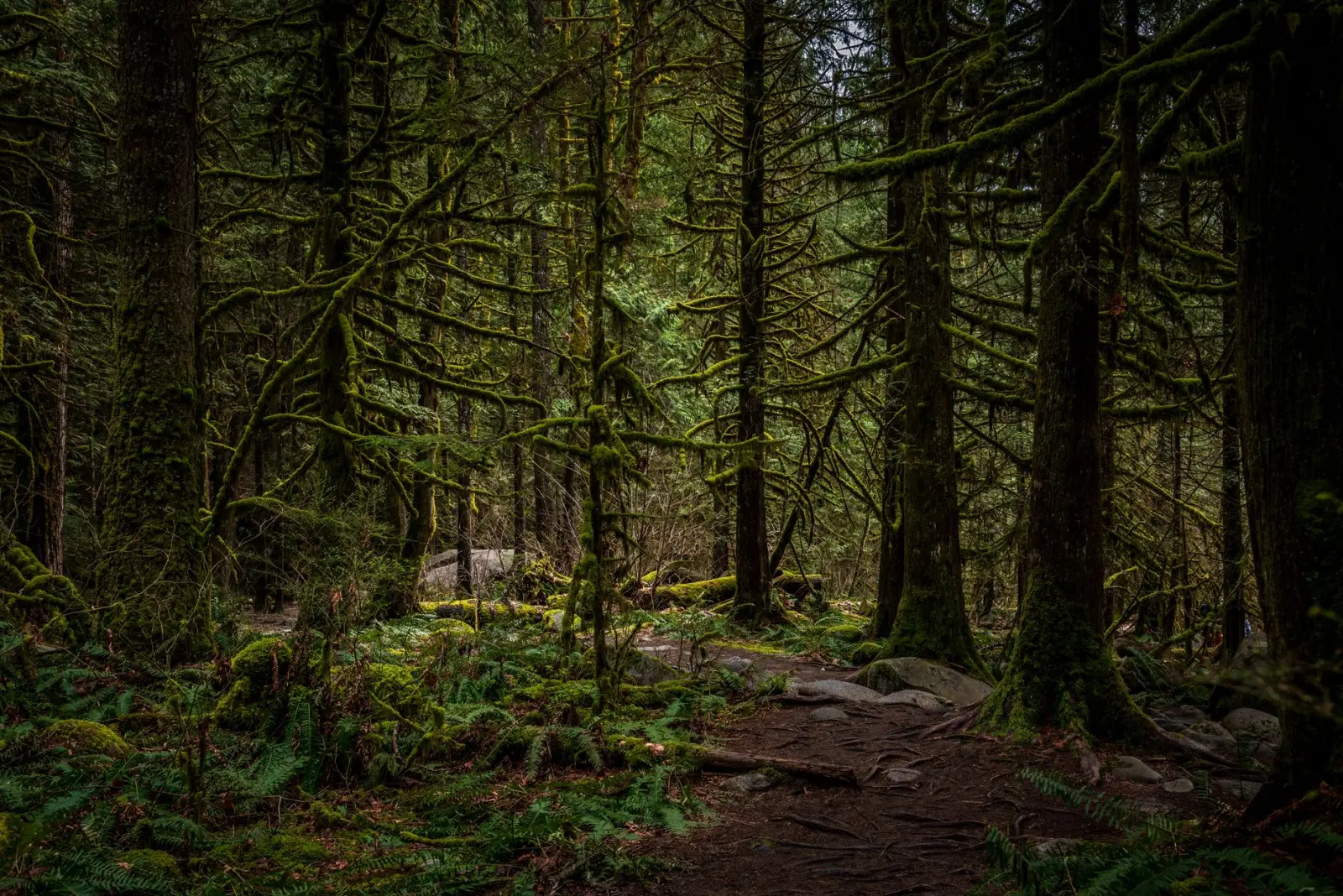
The vegetation density changes dramatically depending on which section of the island you’re traversing. Some areas feel almost parkland-like, with high canopy and open understory. Others are genuinely impenetrable without machete work. The trail system reflects this unevenness. Sections that were cleared five years ago can be reclaimed by new growth within two seasons, creating a constantly shifting landscape that guidebooks can’t quite capture. Local knowledge matters here because the official trail conditions change faster than most resources update.
What the Ground Actually Feels Like
The forest floor isn’t uniform. In areas with deep leaf litter, your foot sinks unpredictably, which taxes your ankles and knees over distance. Exposed root systems create natural steps, but they’re slippery when wet – and they’re almost always wet. The combination of moisture and organic decomposition means the ground has a particular texture that’s different from mainland rainforests. It’s less stable underfoot, more prone to sudden shifts. Proper footwear with genuine grip matters more here than on many other Australian trails.
Rock outcrops appear without warning in some sections. The island’s geology includes granite formations that break through the vegetation, and these create both opportunities and hazards. Wet rock is genuinely dangerous; the moisture and algae create a surface that boots struggle to grip. I’ve seen experienced hikers lose footing on what looked like a manageable slope. The rocks also tend to be sharper than weathered stone elsewhere, so a slip isn’t just a fall – it’s a fall with consequences for skin and joints.
Wildlife Presence and Behavior
Cassowaries are the obvious concern, and they’re present throughout the rainforest. The reality is less dramatic than the warnings suggest, but also less ignorable. They’re territorial but not aggressive unless they feel threatened or protective of young. The problem is distinguishing between normal movement and defensive behavior when you’re face-to-face with a large flightless bird. Most encounters resolve by giving space and moving slowly. The real issue is predictability – you can’t always see them coming through dense vegetation, and surprise meetings are more common than planned sightings.
Smaller wildlife creates more frequent disruptions. Leeches are present year-round, though their activity varies with season and recent rainfall. They’re not dangerous, but they’re persistent and psychologically taxing. Salt, insect repellent, or specialized leech socks help, but none are perfect solutions. Mosquitoes and other biting insects are relentless in shaded areas, particularly near water sources. The humidity creates ideal breeding conditions, so insect pressure is typically higher than on the mainland.
Snakes exist in the rainforest but encounters are rare. The dense vegetation actually works against frequent sightings because snakes have plenty of space to avoid humans. Most movement happens on the forest floor or in lower vegetation, away from established trails. Awareness is necessary, but the statistical likelihood of a problematic encounter is low.
Navigation and Trail Condition Variability
The marked trails are generally maintained, but “maintained” on a remote island means something different than on heavily trafficked mainland routes. Blazes fade, sections become overgrown, and the trail can become ambiguous in areas where vegetation is particularly dense. GPS is useful but not foolproof – dense canopy can degrade signal, and relying entirely on electronics in remote rainforest is risky. Map reading and basic orienteering skills are genuinely necessary, not just nice-to-have.
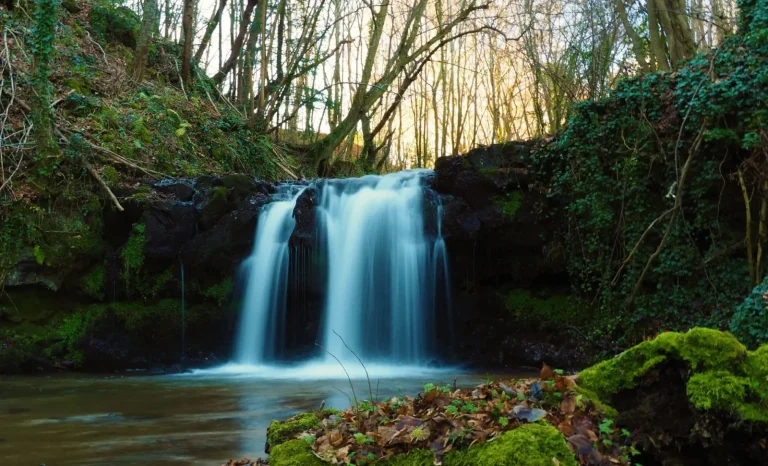
Water crossings are frequent, and water levels vary significantly with rainfall. A creek that’s ankle-deep on one visit can be thigh-deep or impassable days later. The rainforest’s drainage patterns mean water accumulates quickly and moves through the system fast. Timing matters. Visiting immediately after heavy rain means dealing with swollen creeks and slippery rocks. The dry season is more predictable, but even then, isolated showers can affect conditions.
Physical Demands and Pacing
The terrain grades are often modest, but the combination of humidity, uneven ground, and constant minor obstacles creates fatigue that’s disproportionate to elevation gain. A trail that’s technically easy becomes genuinely taxing because your body is working harder to regulate temperature and maintain footing. Most people underestimate how quickly they’ll tire. The psychological factor matters too – dense rainforest can feel claustrophobic, and the inability to see far ahead creates a sense of slow progress even when you’re moving at reasonable pace.
Acclimatization takes time. Visitors arriving from cooler climates need at least a day to adjust to the humidity and temperature combination. Starting a major rainforest walk on arrival day is a reliable way to experience unnecessary struggle. The body adapts, but it doesn’t happen instantly. Pacing yourself conservatively on day one is practical wisdom, not overcaution.
The rainforest on Hinchinbrook Island is genuinely rewarding for people who understand what they’re walking into. It’s not hostile, but it’s unforgiving of poor preparation or unrealistic expectations. The vegetation is dense and complex, the climate is demanding, and the isolation is real. These aren’t reasons to avoid the place – they’re reasons to approach it with clear eyes and respect for the environment’s actual conditions rather than its romantic image.