
The Daintree lowlands operate on a different rhythm than most rainforests. Heat and moisture sit heavy in the air year-round, and the wildlife has organized itself around this reality in ways that catch most visitors off guard. I’ve spent enough time moving through this landscape to recognize that what people expect to see and what actually shows up are often two different things.
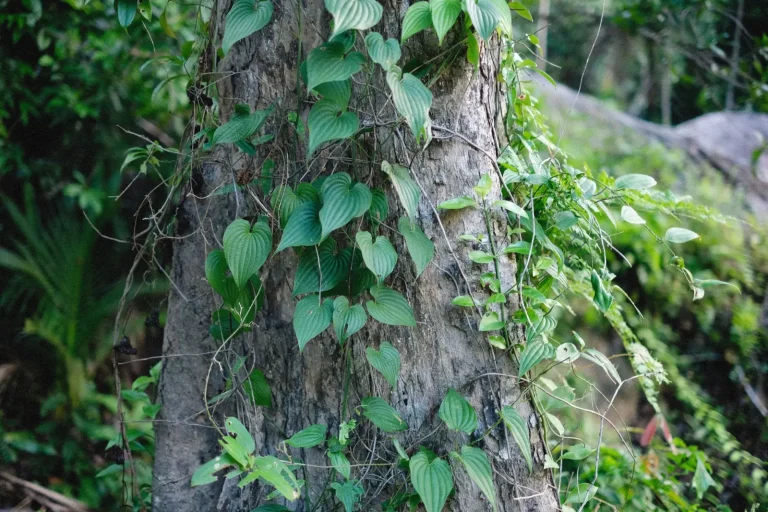
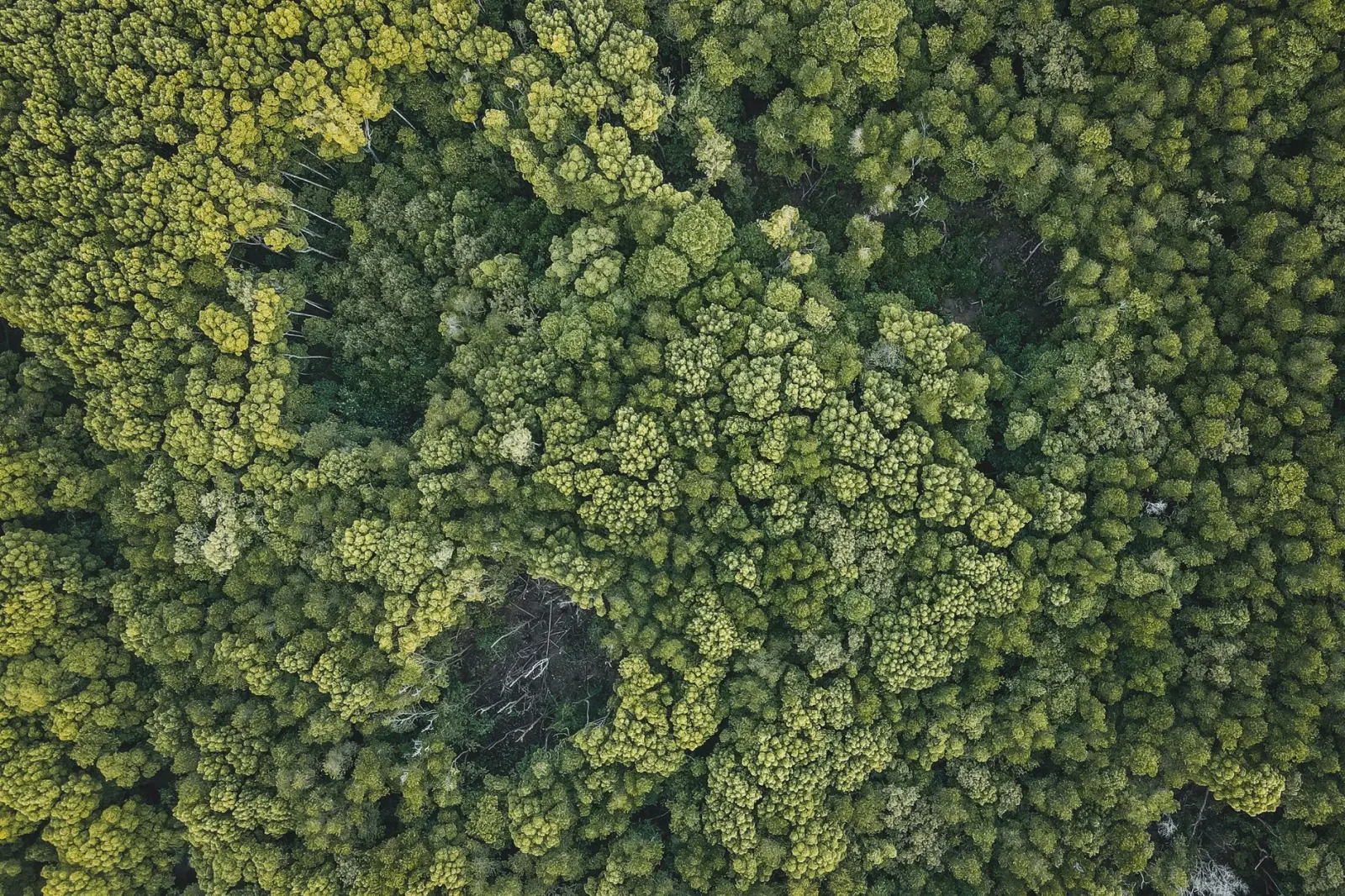
The animals here aren’t distributed evenly. They cluster in specific microclimates – creek systems, particular canopy heights, patches of particular tree species. You can walk past dozens of animals without noticing them. This isn’t because they’re rare. It’s because they’re cryptic, and the forest itself is dense enough that you’re essentially moving through a three-dimensional space where most of the action happens above your head or in the leaf litter where light doesn’t reach.
Temperature and humidity shape everything. The lowlands stay warm even at night, which means reptiles and amphibians are active across hours when they’d be dormant elsewhere. Snakes don’t retreat to cool refuges because there aren’t any. Frogs call throughout the year, not just during breeding season. Insects emerge in waves tied to moisture and plant phenology rather than simple seasonal switches.
The Reptiles You’ll Actually Encounter
Pythons are common in the Daintree lowlands, but you won’t see them often unless you’re moving through the forest at dawn or dusk when they’re hunting. The carpet python is the species most likely to cross your path, and when it does, it’s usually draped across a low branch or moving through the understory. They’re not aggressive, but their presence registers immediately because they’re large and their movement is deliberate.
Smaller snakes are far more numerous. Keelback snakes hunt in the shallow water of creeks and swamps. Venomous species like the taipan exist here, though encounters are rare enough that worrying about them is less productive than simply staying aware of where you place your hands and feet. The real reptile presence comes from monitors and skinks. Lace monitors move through the canopy and along the ground with surprising speed. They’re hunting, always hunting, and they’re indifferent to human presence unless you’re between them and an escape route.
Frogs dominate the soundscape, especially after rain. The Daintree has more frog species than most people realize, and they occupy different acoustic niches – some calling from the canopy, others from the forest floor, others from water. The volume can be disorienting if you’re not expecting it. What sounds like chaos is actually a highly organized system where each species is calling at a specific frequency to reach its own audience.
Mammals: Present but Elusive
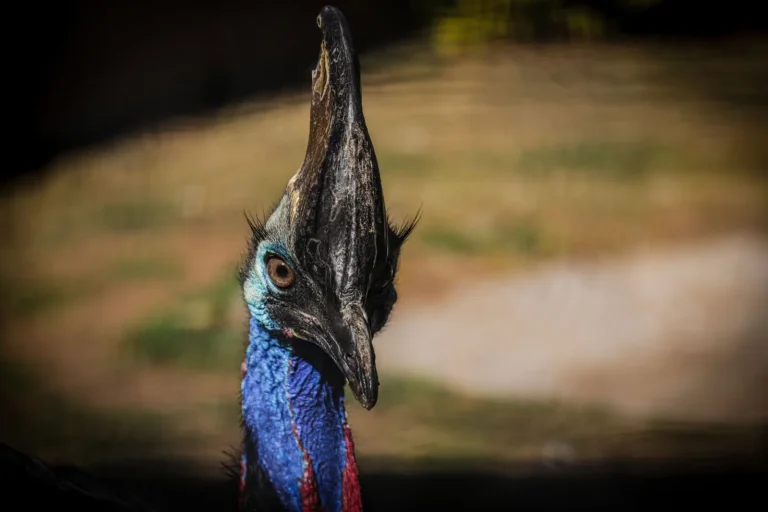
Cassowaries are the flagship species, and they do live in the Daintree lowlands, but sightings are unpredictable. They’re solitary, they move through dense vegetation, and they have no reason to appear on schedule for visitors. I’ve been in the forest for hours in areas where cassowaries are known to range and seen nothing. Other times, one crosses the road at dusk. The uncertainty is part of the actual experience, though it’s not what tourism marketing emphasizes.
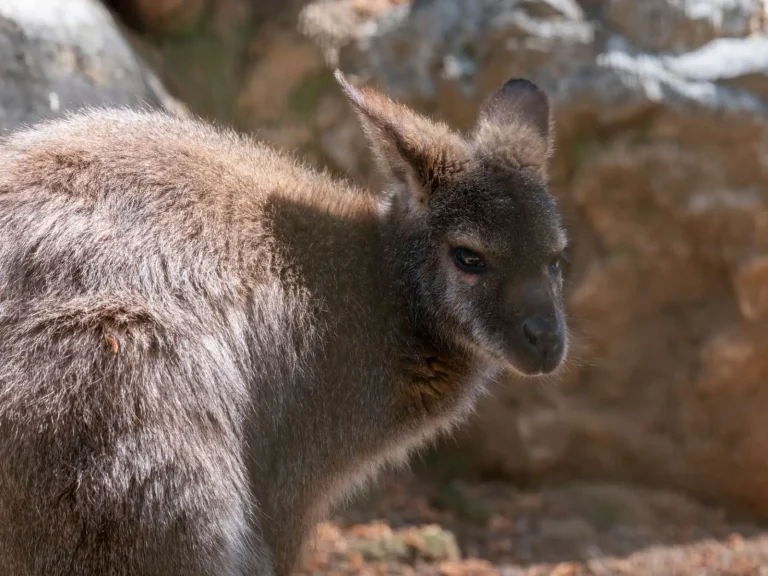
Wallabies and bandicoots are present but nocturnal or crepuscular. You might see a wallaby in early morning, but most of your awareness of them comes from tracks and scat rather than direct observation. The same applies to possums and gliders. The forest is full of mammalian activity, but most of it happens when visibility is low or when you’re not moving through the habitat.
Bats are genuinely abundant. Flying foxes move through the canopy in the late afternoon, and their presence is obvious if you’re paying attention. Smaller bat species hunt insects throughout the night. The acoustic environment at dusk is shaped as much by bat activity as by bird calls, though most people don’t register this because bats operate outside the visual frame.
Birds: Abundance Masked by Difficulty
The Daintree lowlands hold significant bird diversity, but seeing birds requires patience and often a guide who knows where to listen. The canopy is thick enough that many species remain invisible even when they’re calling. Pigeons and doves are common but move quickly. Parrots and cockatoos are loud and obvious when they’re present, but their movements are erratic and tied to food availability rather than predictable schedules.
Raptors hunt the forest margins and open areas. The Australian koel is ubiquitous and its call becomes part of the ambient soundscape. Kingfishers work the creeks. Honeyeaters move through flowering trees. The bird activity is real and substantial, but it’s distributed across the day and across vertical space in ways that make casual observation difficult.
Waterbirds congregate in deeper pools and swamps. Herons, egrets, and ibises hunt in shallow water. These are the easiest birds to observe because they’re in open space, but they’re also the ones most likely to flush if you approach without care.
Invertebrates: The Actual Foundation
Insects, spiders, and other invertebrates are where the real biodiversity lives. This is where the Daintree lowlands genuinely deserves attention. The sheer number of species, the specificity of their ecological roles, and the ways they’ve adapted to the heat and humidity represent the actual complexity of the system. Beetles alone would take years to catalog. Spiders range from tiny cryptic species to large orb-weavers that are impossible to miss once you know where to look.
Ants are ubiquitous and functionally dominant. They’re predators, seed dispersers, and ecosystem engineers. Termites work the dead wood. Butterflies and moths are diverse, though many species are nocturnal or active only at specific times. Dragonflies hunt over water. Freshwater shrimp and other aquatic invertebrates are abundant in creeks.
Most visitors don’t spend time observing invertebrates, which is a significant gap in understanding what the forest actually is. The vertebrates are the visible layer, but the invertebrates are the system that makes everything else possible.
Practical Realities of Observing Wildlife
Movement through the Daintree lowlands is slow if you want to see animals. The heat and humidity mean you fatigue faster than you would in cooler environments. Early morning and late afternoon are productive windows, but they’re also when the light is poor and insects are most active. Midday is hot and quiet, with most animals sheltering or inactive.
Water is central. Creeks and swamps concentrate wildlife. Trails that follow water hold more animals than those that move through drier sections. Wet season changes the distribution – some areas become impassable while others become more productive.
Sound matters more than sight in the Daintree lowlands. Learning to distinguish calls, recognizing which species are active at which times, and understanding what different sounds indicate will change what you perceive. A guide who knows the soundscape is genuinely useful, not as a luxury but as a practical tool for accessing information that’s otherwise invisible.
The wildlife of the Daintree lowlands is abundant and diverse, but it’s adapted to a specific set of conditions and operates on rhythms that don’t align with casual tourism. Seeing animals here requires time, patience, and willingness to move slowly through a landscape that’s designed to conceal rather than reveal. The animals are there. The question is whether you’re positioned to notice them.