
Rainforest photography looks deceptively straightforward until you’re standing in one. The dense canopy, the humidity, the constant motion of life – these create a gap between what you see in published work and what your camera actually captures. After years of moving through rainforests with a camera, I’ve learned that the best locations aren’t always the most famous ones, and success depends far more on understanding light behavior and seasonal patterns than on equipment or sheer determination.
The fundamental challenge is light. Rainforests are designed by nature to block it. Even at midday, the forest floor exists in perpetual twilight. This forces you into higher ISO, slower shutter speeds, or both – and both come with costs. Your autofocus struggles. Your depth of field becomes unpredictable. Motion blur creeps in on subjects that aren’t even moving that fast. Photographers who arrive expecting to shoot at ISO 400 and 1/500th of a second leave frustrated. The ones who adapt their expectations and technique tend to find moments worth the effort.
The Canopy Problem and Where It’s Manageable
Not all rainforests have equally dense canopies. The Amazon basin, particularly in Peru and Ecuador, tends toward a thick upper story that creates genuinely challenging light conditions. The Daintree in Australia and parts of the Tongass in Southeast Alaska have similar density. But the rainforests of Costa Rica, especially around areas like Monteverde and the Osa Peninsula, have more varied structure. You’ll find gaps, stream-side clearings, and sections where the canopy has opened naturally. These aren’t accidents – they’re the result of fallen trees, water erosion, and natural succession. Knowing where these gaps exist, or visiting after storm season when fresh damage opens the canopy, changes what you can actually shoot.
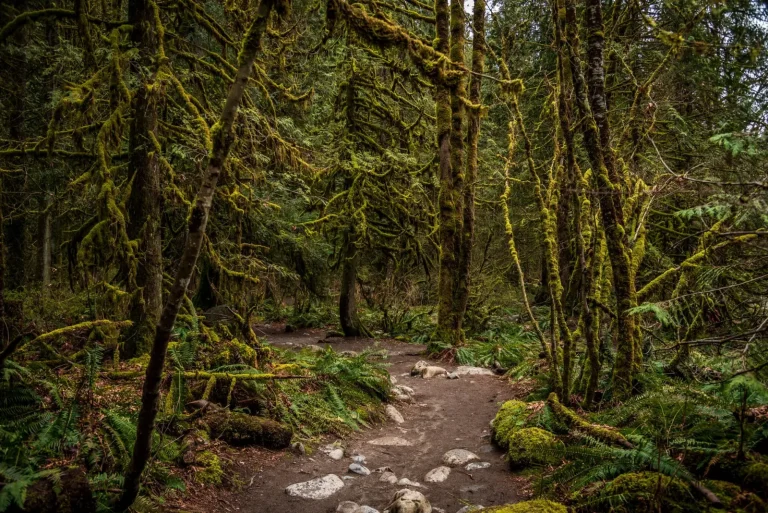
The Tongass rainforest in Southeast Alaska presents a different advantage. The high latitude means longer twilight periods and lower sun angles even in summer. This creates softer, more directional light than equatorial rainforests receive. The trade-off is weather – you’re often shooting in mist and low cloud, which eliminates harsh shadows but also requires patience and waterproofing. I’ve spent weeks there and found that the best light comes in the hour after rain, when mist lifts slightly and moisture on vegetation catches what little direct light exists.
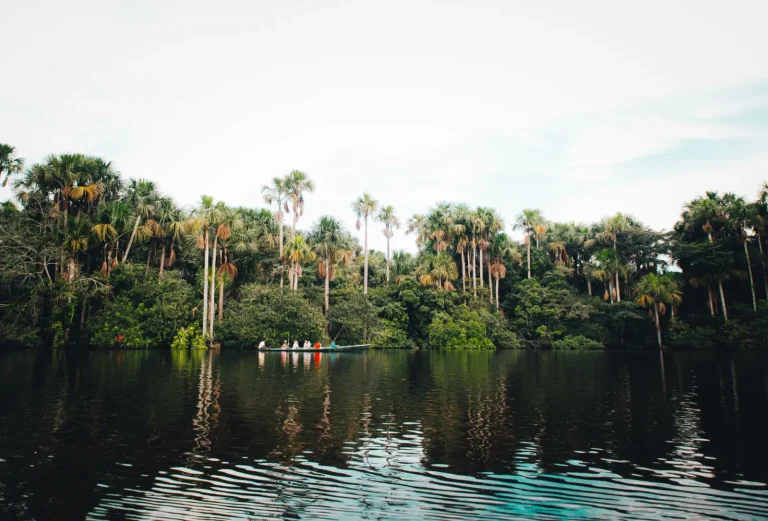
Borneo’s rainforests, particularly in Sabah and Sarawak, occupy a middle ground. The canopy varies significantly by elevation and location. Lower elevations near rivers can be surprisingly open. The Kinabatangan River area, while heavily visited, offers genuine advantages: water reflects light upward, creating fill light that helps with wildlife. The downside is that this same advantage draws other photographers and tour operators, so you’re rarely alone.
Timing Within the Day and Across Seasons
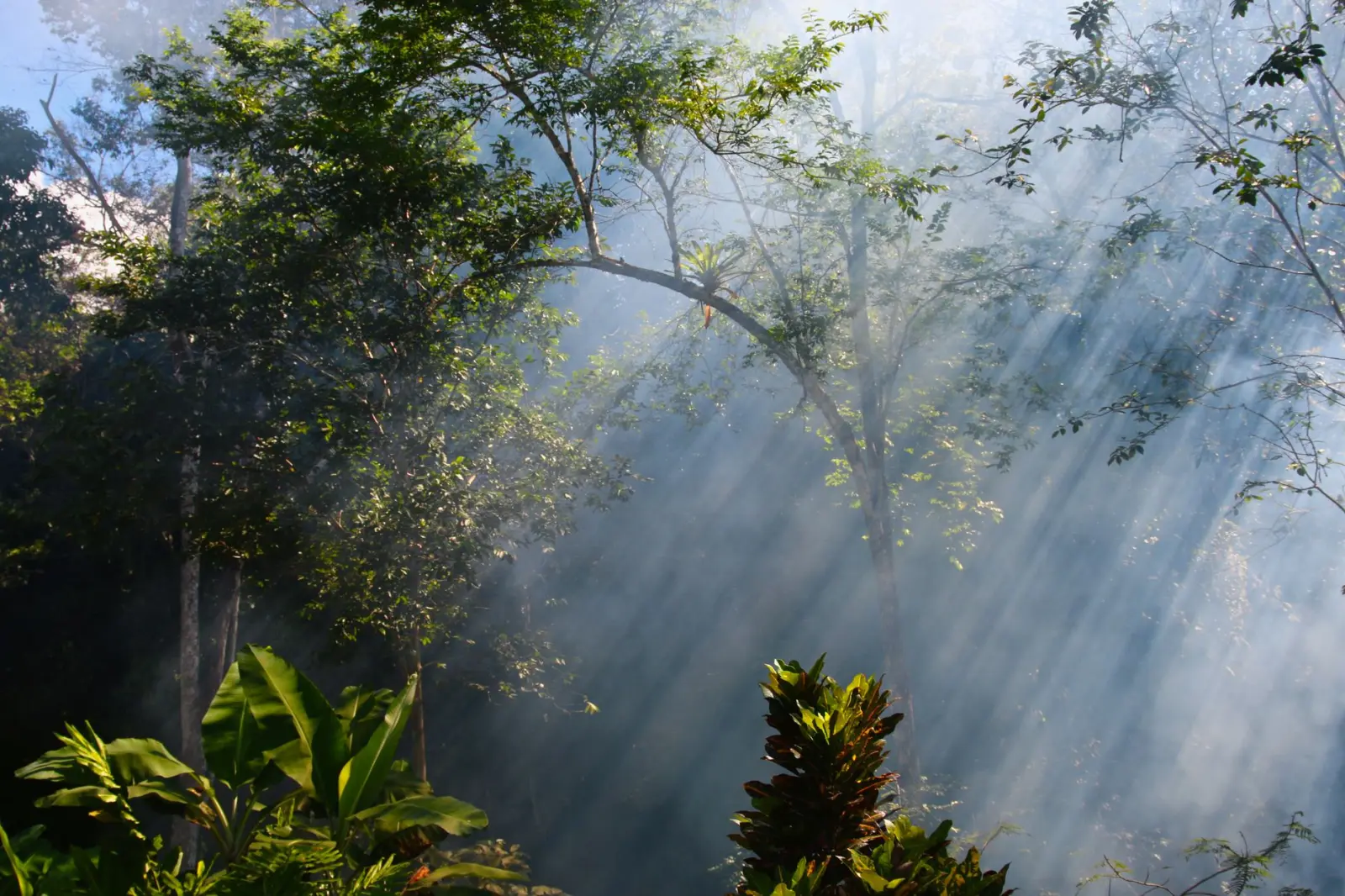
Most photographers arrive at rainforests expecting to shoot throughout the day. This rarely works. The best windows are brief and predictable. Early morning, before the canopy fully warms, produces the most stable light. Mist tends to linger, creating diffusion that softens harsh spots. By 9 AM, the light becomes increasingly dappled and contrasty. Midday is nearly useless for most subjects. Late afternoon offers another window, though it’s shorter and more variable depending on cloud cover.
The seasonal question is more nuanced than “dry season is better.” In many tropical rainforests, there’s no true dry season – only less wet seasons. The Amazon’s “dry” season (July to September) does reduce water levels and concentrate wildlife along rivers, which improves access and visibility. But it also brings more tourists and, paradoxically, more haze from fires in other regions. The wet season (December to May) seems counterintuitive, but it often brings clearer air and more active animal behavior. The light is worse, but the subjects are more cooperative.
In Costa Rica, the green season (May to November) is when most vegetation is actively growing and flowering. The light is challenging, but the abundance of subjects – birds, insects, plants in bloom – compensates. The dry season (December to April) produces clearer skies but also drier vegetation and less animal activity. Photographers often assume dry season is better, then arrive to find fewer subjects worth photographing.
Specific Locations and Their Practical Realities
The Tambopata Reserve in Peru is genuinely productive for wildlife photography, particularly around the clay licks where macaws gather. The advantage is concentration – you know where subjects will be. The disadvantage is that everyone else knows it too. The light at the clay licks is often poor, coming from behind or at harsh angles. Early arrival helps, but you’re still working with difficult conditions. The surrounding forest offers better light but requires more exploration and patience.
Corcovado National Park in Costa Rica’s Osa Peninsula is physically demanding but rewarding. The trails are muddy, the humidity is extreme, and the canopy is thick. But the biodiversity is genuine, and the fewer tourists who venture deep into the park means less competition for subjects and light. The river valleys, particularly around Río Claro, have more open canopy and better light than the ridge trails. Most day-trippers stick to the main trails, so moving away from them often improves your odds.
The Iwokrama Forest in Guyana remains relatively undeveloped compared to other rainforest destinations. The canopy tower offers genuine advantages – you’re above the densest foliage, with better light and different perspectives on canopy-dwelling species. The access is limited and expensive, but the reduced tourism pressure and the unique vantage point make it valuable for photographers willing to invest time and resources.
Taman Negara in Malaysia is accessible and well-organized, which appeals to many photographers. The canopy walkway offers the same advantages as Iwokrama’s tower. The river access is good, and wildlife viewing is reliable. The downside is predictability – the locations and timing are well-known, and you’ll often encounter other photographers at the same spots.
The Equipment and Logistics Reality
Rainforest photography requires redundancy. Humidity and rain damage equipment. A single camera body fails, and you’re finished. Lens protection matters more than having the latest glass. A 70-200mm lens works better than a 100-400mm in rainforest conditions – the shorter reach is easier to stabilize in low light, and you’re rarely far enough from subjects to need extreme focal length. Fast apertures help, but they’re not magic. A 2.8 lens in dim light still requires high ISO and slower shutter speeds.
Tripods are often impractical. The ground is uneven, muddy, and unstable. Monopods help occasionally, but hand-holding with good technique and acceptance of higher ISO is often the realistic approach. Image stabilization becomes genuinely valuable, not just convenient.
The physical demands are real. You’re walking slowly through dense vegetation, often in heat and humidity that exceeds 90 percent. Fatigue affects your ability to hold steady, compose thoughtfully, and wait for moments. This isn’t a limitation to overcome – it’s a constraint to plan around. Shorter shooting days, more rest, and realistic expectations about how much good work you’ll produce matter more than pushing through exhaustion.
After years in rainforests, I’ve found that the locations that reward photography are those where you can manage light, access, and fatigue simultaneously. The most famous rainforests often excel at one or two of these factors but compromise on the third. Success comes from choosing based on what you’re actually capable of doing, not on what sounds impressive or what you’ve seen in magazines.