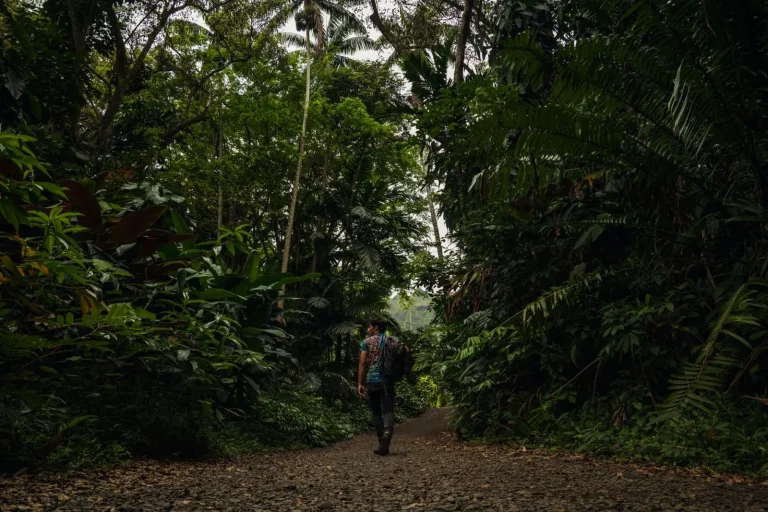


Mount Field’s forests operate on their own logic. After dozens of walks through these trails, you start to notice patterns that don’t appear in any guide. The way the ground changes elevation, how vegetation clusters around certain water sources, where the path becomes genuinely difficult versus merely steep – these observations accumulate into something more useful than any map can convey.
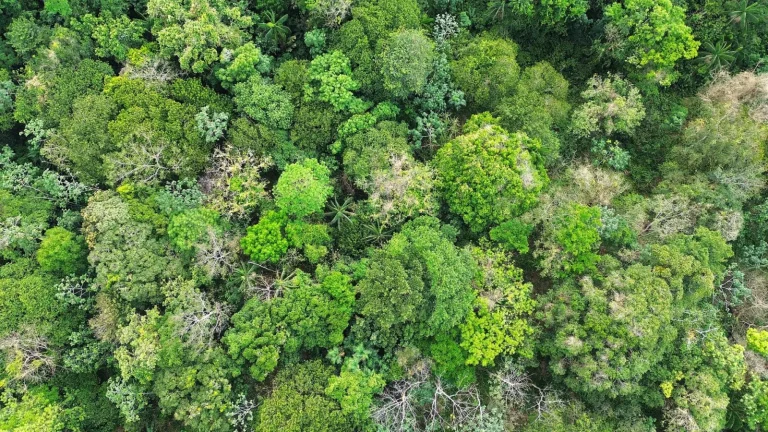
The forest itself is layered. Lower sections sit in deep shade where moisture collects and never quite leaves. The ferns here grow thick, and the ground stays soft underfoot even days after rain. As you climb, the vegetation thins gradually rather than abruptly. You’ll notice the transition before you consciously register it. The canopy opens incrementally. Light reaches the forest floor in patches instead of dimness. This shift happens over several hundred meters, not at a defined boundary.
What strikes most walkers is how the forest changes your sense of distance. A section that looks short on a map can feel considerably longer when you’re moving through dense vegetation. Fallen logs block direct routes frequently. The path winds around obstacles rather than cutting straight through. Your pace naturally slows. What feels like a two-hour walk becomes three hours without any dramatic climbing. This isn’t failure to navigate efficiently – it’s the forest’s actual pace.
The Ground Beneath Your Feet
Mount Field’s forest floor varies dramatically over short distances. In wetter sections, the ground becomes almost spongy. Moss covers rocks and logs. Your boots sink slightly with each step. This isn’t dangerous, but it’s tiring. Your legs work harder to extract themselves from the soft surface. After an hour or so of this, your calves feel the difference. Drier sections offer firmer footing, but they’re often steeper. The trade-off between effort and surface quality becomes apparent quickly.
Rocks emerge unpredictably. Some sections have scattered stones that you step around. Other areas feature extensive rocky outcrops where the path essentially becomes a boulder field. These rocky stretches are deceptive. They look straightforward until you’re actually climbing over them. Each rock requires a small decision about foot placement. The cumulative effect is exhausting in a different way than sustained climbing. Your concentration stays high. Your ankles work constantly to adjust to uneven surfaces.
The forest floor tells stories about water movement. Channels cut through the earth where water runs during heavy rain. These channels become natural guides when visibility is poor. They also become obstacles. Stepping into a water channel at the wrong angle can turn an ankle. Most experienced walkers learn to read these patterns and step across them deliberately rather than stepping into them.
Navigation Without Constant Certainty
The marked trails on Mount Field are generally clear, but “clear” is relative in a dense forest. Markers appear at regular intervals, but gaps between markers can feel longer when you’re surrounded by similar-looking vegetation. This is where most walkers experience mild anxiety. The path ahead looks uncertain. You check the marker behind you. You look for the next marker ahead. This back-and-forth checking becomes routine after a while. It’s not a sign you’re lost – it’s how forest navigation actually works.
Visibility changes with weather and time of day. Morning mist can reduce sight lines to thirty meters or less. The forest becomes more maze-like. Markers that would be obvious in clear conditions become harder to spot. This doesn’t mean the walk is unsafe, but it does mean moving more slowly and paying closer attention. Many walkers underestimate how much weather affects the forest experience. A walk that takes two hours in clear conditions might take three hours in mist, not because the terrain is different, but because your pace necessarily slows.
The forest canopy blocks most direct sunlight. This means you’re rarely certain of direction based on light alone. A compass helps, but many walkers rely primarily on the marked path. This creates a dependency that’s worth understanding. If you stray from the marked route – which happens occasionally when markers are missed – reorienting yourself requires more effort than in open terrain. The forest doesn’t provide obvious landmarks. Every direction looks similar.
Physical Demands and Pacing
Mount Field’s forest walks are deceptively demanding. The elevation gain is moderate on most trails, but the combination of soft ground, obstacles, and constant navigation attention creates fatigue that exceeds what the elevation alone would suggest. Your legs work on uneven surfaces. Your core engages constantly to maintain balance. Your mind stays active tracking the path. By the end of a three-hour forest walk, you’re tired in multiple ways simultaneously.
Pacing yourself matters more than speed. Walkers who push hard initially often hit a wall halfway through. The forest doesn’t reward aggressive movement. A steady, moderate pace that you can sustain for hours works better than alternating between fast sections and rest stops. This is partly physical and partly psychological. The forest’s rhythm is slow. Fighting against that rhythm exhausts you faster than accepting it.
Water management becomes significant on longer walks. The forest doesn’t offer many obvious water sources despite its moisture. Streams exist, but finding them requires leaving the marked path. Most walkers carry sufficient water from the start. The temptation to drink heavily early in the walk often leads to thirst later when your water is depleted. Rationing water across the full walk duration works better than drinking freely when you’re not yet thirsty.
What Changes Seasonally
The forest shifts considerably between seasons. Winter brings wet ground and reduced visibility. Summer brings firmer footing but also more insects and occasional heat stress under the canopy. Spring offers the clearest visibility as deciduous growth hasn’t yet fully obscured sight lines. Autumn brings fallen leaves that hide the ground and make footing less certain.
The time you spend in the forest varies by season independent of distance. A walk that takes two hours in spring might take two and a half hours in winter simply because conditions slow you down. Planning for seasonal variations in pace prevents the frustration of arriving back at the trailhead later than expected.
After many walks through Mount Field’s forests, the experience becomes less about conquering the terrain and more about moving through it at its own pace. The forest has its own speed, its own logic, its own requirements. Walkers who adapt to these conditions find the experience genuinely pleasant. Those who resist the forest’s pace find themselves frustrated and tired.