
Nightcap National Park sits in the Border Ranges between New South Wales and Queensland, and its rainforest canopy holds a completely different cast of characters once the light fades. I’ve spent enough nights moving through those trails to recognize the patterns – which animals are genuinely active, which are just passing through, and which ones people imagine they’ve seen because the darkness plays tricks on attention.
The shift happens gradually, not all at once. Around dusk, the day-active species don’t vanish instantly. You’ll see the last of the brush turkeys scratching through leaf litter, and the kookaburras settle into their final calls. But by the time full darkness arrives, the forest floor and mid-canopy belong to a different set of inhabitants. The temperature drop matters more than people realize. Rainforest nights can be surprisingly cool, even in warmer months, and this triggers activity in species that would be sluggish during the heat of day.
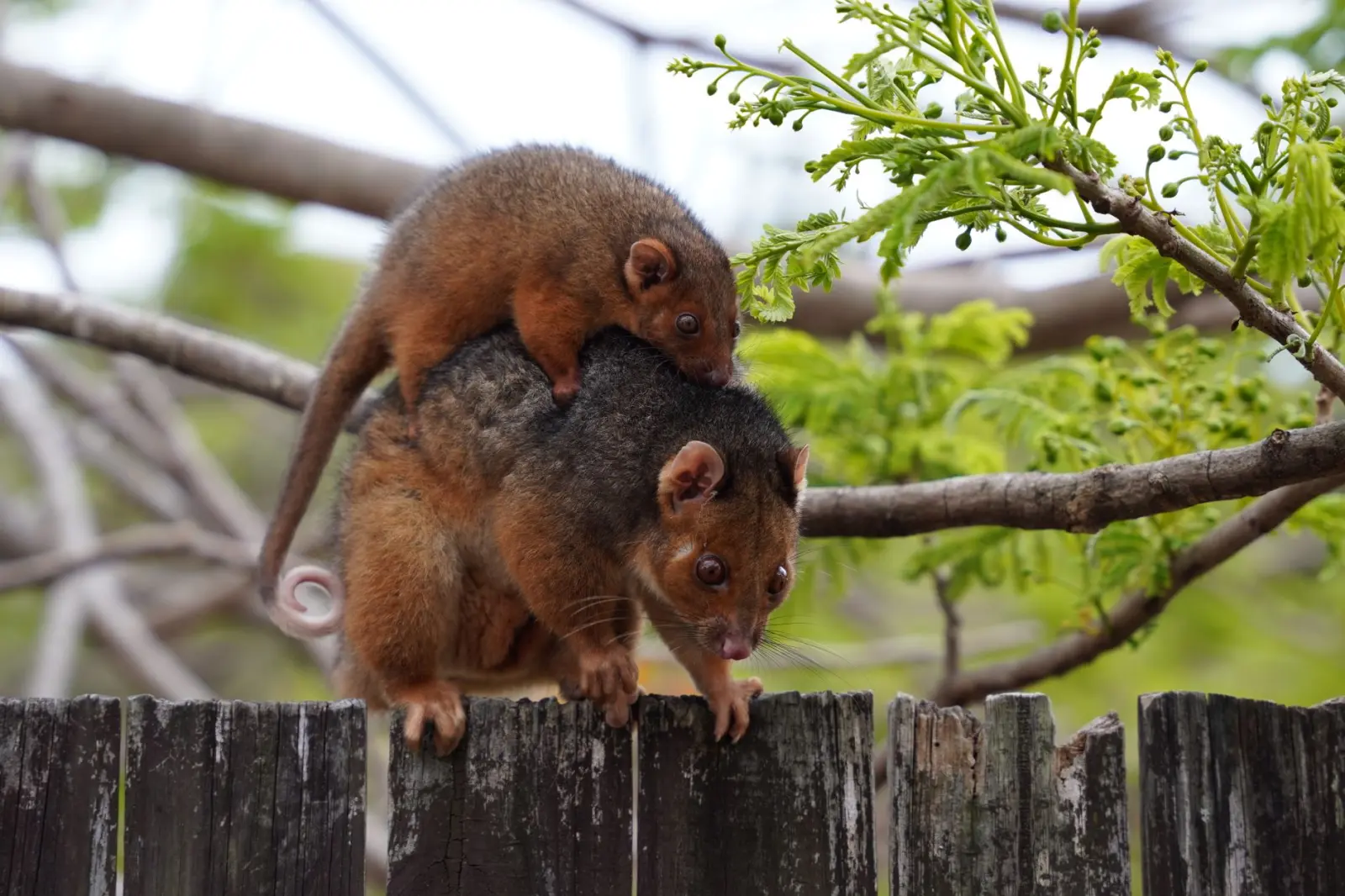
Possums dominate the nocturnal landscape here. The common brushtail possum is everywhere once darkness falls – you’ll hear them before you see them, moving through branches with a kind of careless heaviness that makes them sound larger than they actually are. They’re not subtle animals. The ringtail possum is quieter, more deliberate in its movements, and tends to stay higher in the canopy. Both species are present year-round, but their activity levels shift with seasonal food availability. During fruiting seasons, particularly when native figs are producing, the possums become almost predictable in their routes.
What the Darkness Actually Reveals
Gliders are present in Nightcap, though spotting them requires patience and often luck. The sugar glider is small enough that most people miss it entirely, even when it’s active nearby. The yellow-bellied glider is larger and more vocal, making sharp calls that carry through the forest. I’ve encountered them more often by sound than by sight. They’re not rare, but the conditions have to align – you need to be in the right part of the forest, at the right time, and your attention has to be sharp enough to catch movement in the canopy periphery.
Reptiles behave differently at night than most visitors expect. Snakes are present in Nightcap, including the carpet python and various smaller species, but they’re not the hyperactive hunters that popular media suggests. At night, they’re mostly stationary, waiting for prey to come to them. The likelihood of encountering one on a trail is low, and when it happens, the snake is usually as surprised as you are. Frogs, on the other hand, become vocal and active once darkness settles. The sound of frog calls can be overwhelming in the right season, particularly after rain. This is when the forest genuinely comes alive with noise.
Insects and the Foundation Layer
The invertebrate activity is where the real complexity lives. Beetles, spiders, and countless other arthropods emerge or become active at night, and they form the actual food base for everything else. You won’t see most of them unless you’re specifically looking, but their presence is what keeps the nocturnal ecosystem functioning. Spiders are particularly visible on wet nights – their webs catch moisture and become obvious in torchlight. The diversity is substantial, though identifying species requires expertise most casual visitors don’t have.
Bats move through Nightcap’s airspace throughout the night, though their activity is often invisible to ground-based observers. The spectacled flying fox and other species use the park as part of their broader range. You might hear them, particularly during fruiting season when they’re feeding heavily, but seeing them requires looking up at the right moment. Their presence is significant for seed dispersal and pollination, even if visitors rarely register it.
The Reality of Nighttime Observation
Walking trails at night in Nightcap presents practical challenges that matter more than most guides acknowledge. The forest floor becomes genuinely difficult to navigate. Roots, rocks, and fallen branches that are obvious during daylight become hazards in darkness. Torchlight helps with immediate visibility but destroys your ability to see anything beyond the beam. This creates a paradox: the light that lets you walk safely also makes you less likely to observe wildlife that’s sensitive to illumination.
Many animals detect your presence before you detect theirs. The vibrations from footsteps, the sound of breathing, the smell – these all register before your torch beam reaches them. Possums will often freeze and stare at the light rather than flee, which can create the impression of a longer observation than actually occurred. Smaller creatures typically move away or hide. Patient, quiet observation yields more than active searching.
Seasonal timing affects what you’ll encounter. During warmer months, activity is more dispersed throughout the night. In cooler seasons, there’s often a peak period a few hours after dark when temperature and humidity reach optimal levels for movement. Rain changes everything – it triggers activity in some species and suppresses it in others. A night after heavy rain will sound completely different from a dry night, with frog calls dominating and other activity patterns shifting noticeably.
The nocturnal ecosystem of Nightcap National Park operates on principles that don’t match the daytime forest. It’s not simply the same animals in darkness. The temperature, humidity, food availability, and predation pressures all shift. Species that were completely absent during the day become common. Others that were obvious in sunlight become nearly impossible to locate. Understanding this shift in the forest’s functioning, rather than just collecting a list of species names, is what actually deepens your sense of the place. The park’s rainforest is genuinely two different ecosystems occupying the same space, separated only by the presence or absence of light.