Spend enough time walking through Australian tropical rainforest, and you’ll eventually stumble across something that looks like a small volcano made of leaf litter and soil. Your first instinct might be to assume it’s erosion or some geological quirk. It’s neither. What you’re looking at is the work of a brush turkey, one of Australia’s most industrious and least understood birds. These birds don’t incubate their eggs the way most birds do. Instead, they build and maintain massive mounds that serve as natural incubators, relying entirely on decomposition heat to warm their developing chicks.
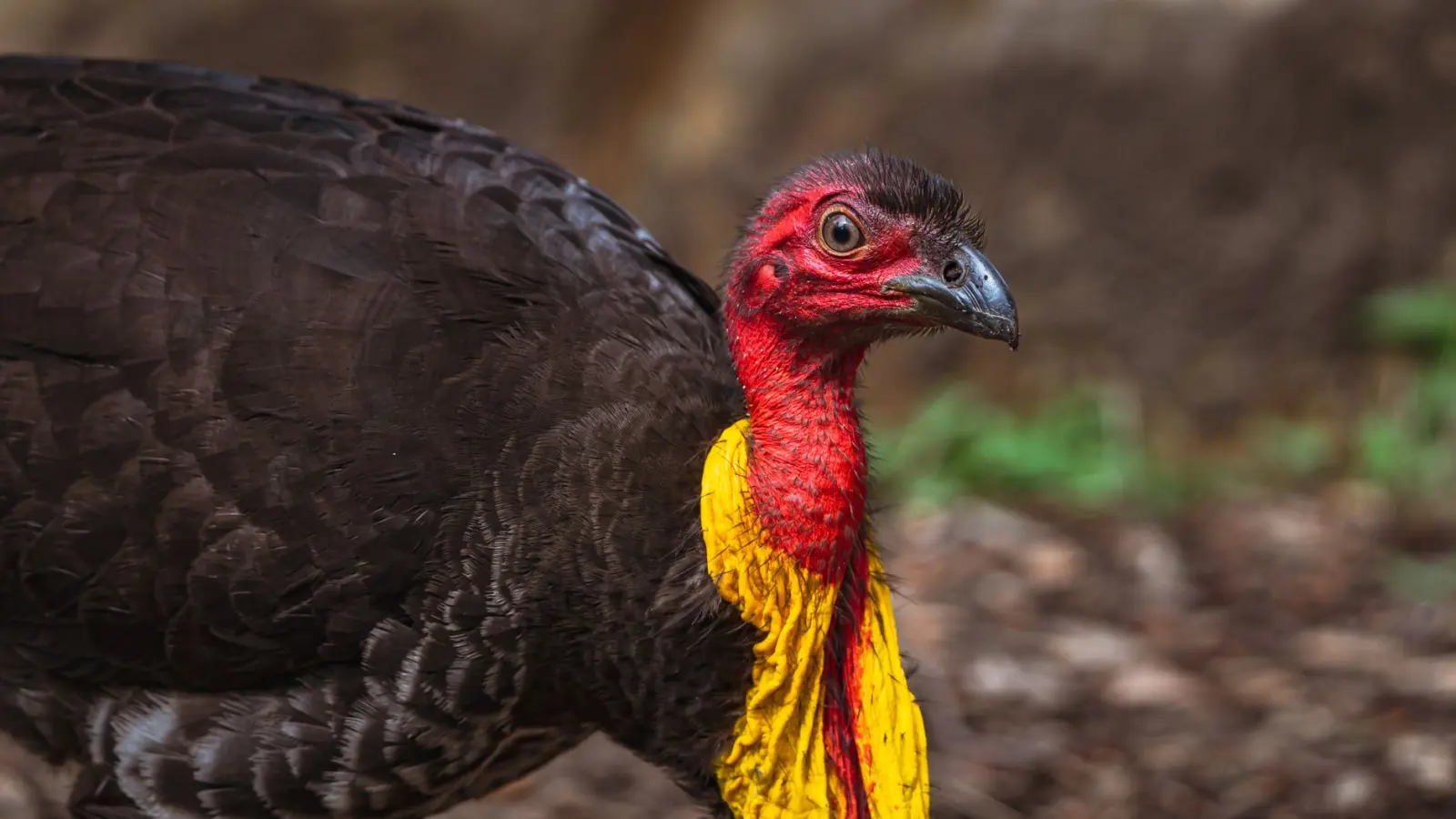
The Australian brush turkey, or Alectura lathami, is a large, dark-plumaged bird roughly the size of a domestic chicken, though leaner and more purposeful in movement. They inhabit rainforests along the east coast, primarily from the Atherton Tableland in Queensland down through northern New South Wales. If you’re trekking through these regions, you’re likely in brush turkey country, though you may not realise it until you see the evidence of their work. The birds themselves are surprisingly wary. They’ll move away from human activity quickly, often with a heavy, deliberate gait that suggests they have somewhere important to be. In many cases, they do.
The Mound: Engineering Without a Blueprint
A brush turkey mound is not a casual construction. A mature mound can measure 4 to 11 metres across and stand 1 to 2 metres high. The sheer volume of material involved is staggering. A single bird will spend months, sometimes years, scraping together leaf litter, soil, twigs, and organic matter into a compact heap. What makes this behaviour remarkable isn’t just the scale, but the precision. The bird must maintain specific internal conditions – temperature, moisture, and gas exchange – without any conscious understanding of thermodynamics. Yet the mounds work.
The internal structure of an active mound is layered. Decomposing organic matter at the core generates heat, much like a compost heap. The bird monitors this temperature by probing into the mound with its beak, checking whether conditions are suitable for egg incubation. If the mound is too hot, the bird will scrape away material to allow cooling. If it’s too cool, more organic matter is added. This isn’t learned behaviour in the way we understand learning. It’s instinctive, yet it requires constant attention and physical labour. A male brush turkey may spend several hours each day maintaining his mound during the breeding season.
Interestingly, brush turkeys don’t build new mounds every season. Instead, they often return to the same site year after year, sometimes for decades. This means older mounds can become enormous, accumulating layers of material and history. A mound you encounter on a rainforest walk might represent generations of work by successive birds, or even the same individual if it’s relatively young. The birds show remarkable site fidelity, which is why local guides and experienced walkers can predict where mounds will be found.
Timing, Effort, and Seasonal Patterns
Brush turkeys begin mound construction in autumn, typically around March or April in Queensland. The timing matters because decomposition rates depend on temperature and moisture. A mound built in cooler months will develop more slowly, but the bird has months to refine it before the breeding season truly begins. By spring, the mound should be at optimal temperature for egg-laying, which occurs from September through November. The bird will lay eggs at intervals of several days, each time depositing the egg deep within the mound and covering it carefully. A single mound might contain 20 or more eggs by the end of the season.
The physical demands on the bird are considerable. Scraping and moving material, testing temperatures, and defending the mound from other animals and competing brush turkeys requires sustained energy expenditure. During peak season, a brush turkey loses visible weight. The bird must also contend with other brush turkeys attempting to take over or sabotage the mound. Territorial disputes are common and can be intense, with birds using their feet and wings aggressively. These confrontations don’t last long, but they’re vigorous enough to cause injury.
What Happens Inside the Mound
Once an egg is buried in the mound, the chick develops in isolation. There’s no parental care beyond the initial placement. The chick must incubate for approximately 50 days, relying entirely on the ambient heat generated by decomposition. When the chick hatches, it must dig its own way out of the mound – a process that can take a full day or more. The effort required is substantial for such a small bird. Once it emerges, the chick is independent. It doesn’t recognise its parents and receives no feeding or protection. Brush turkey chicks are precocial, meaning they’re relatively mature at hatching, but they’re still vulnerable to predation and environmental stress.
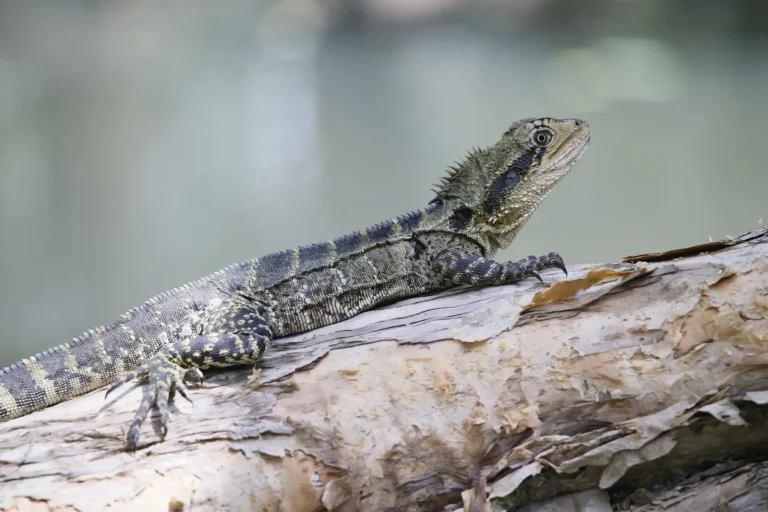
Survival rates for chicks vary enormously depending on mound conditions and external factors. A poorly maintained mound can fail entirely, with eggs either overheating or cooling below viable temperatures. Flooding can waterlog a mound, suffocating developing chicks. Predators, including monitor lizards and feral animals, will excavate mounds if they detect the scent of eggs. In some locations, mound success rates are surprisingly low, yet the behaviour persists because the birds have no alternative reproductive strategy. They’re committed to this method entirely.
Ecological Role and Rainforest Presence
Brush turkeys are more than curiosities. Their mound-building activity significantly impacts the rainforest floor. The constant disturbance and movement of soil and organic matter affects nutrient cycling, seed distribution, and the structure of the leaf litter layer. Some seeds are buried and subsequently germinate within or near mounds. The birds themselves consume fallen fruits and seeds, influencing which plants establish in the understory. They’re ecosystem engineers in the truest sense, reshaping their habitat through their behaviour.
In areas where brush turkeys are abundant, you’ll notice a patchwork of mounds at various stages of activity and decay. Some are actively maintained and teeming with decomposition activity. Others are abandoned or dormant, slowly breaking down and returning to the forest floor. This mosaic creates microhabitats that support different communities of insects, fungi, and small animals. The mounds become part of the rainforest structure itself.
Encounters with brush turkeys while trekking are relatively common if you’re walking quietly and paying attention. The birds are most active in early morning and late afternoon. You might hear them before you see them – they’re not silent birds, and the sound of scraping and movement carries through the forest. If you approach too closely, they’ll depart with a distinctive heavy-footed gait, sometimes vocalising a low, resonant call. They’re not aggressive toward humans, but they’re not habituated either. They treat people as potential threats and respond accordingly.
Understanding what you’re looking at when you encounter a brush turkey mound changes how you perceive the rainforest. It’s not just a pile of leaves. It’s evidence of an ancient reproductive strategy, refined over millions of years, that continues to work in modern rainforests despite pressures from habitat loss, invasive species, and climate variability. The bird’s commitment to this labour-intensive method, season after season, speaks to something fundamental about how evolution shapes behaviour when alternative strategies aren’t available.