
The forest around Elabana Falls sits in a pocket of Lamington National Park where the landscape doesn’t announce itself loudly. You arrive expecting a straightforward waterfall walk, and in many ways it is, but the forest itself – the actual experience of moving through it – operates on different logic than most day walks in Southeast Queensland. I’ve been through this area enough times to recognize the patterns that catch people off guard, and they’re worth understanding before you commit to the walk.
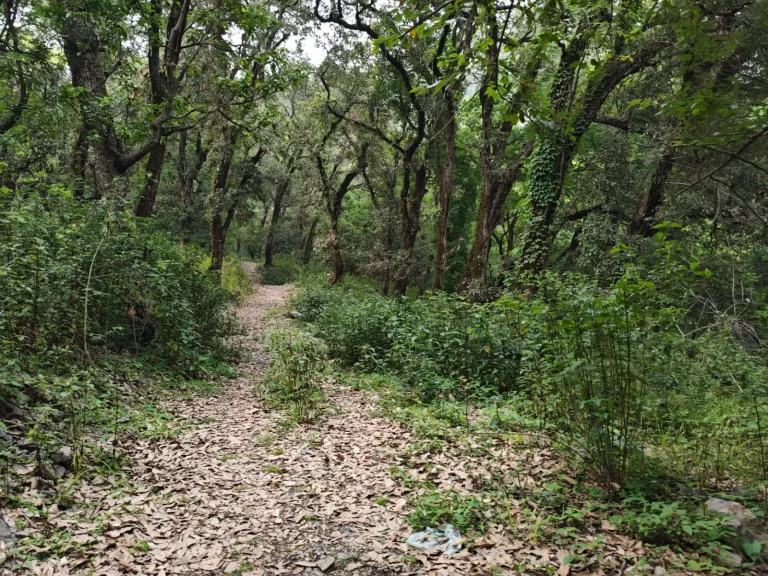
The approach from the carpark at Elabana Falls picnic area is deceptively short. The waterfall itself sits only about 300 meters from where you park, which means the walk feels manageable on paper. What changes once you’re actually moving is the density of the forest and the way it channels foot traffic. The main track is well-maintained and marked, but the forest canopy here is thick enough that you lose direct sunlight for most of the descent. This matters more than it sounds. The ground stays damp even on days when the surrounding areas have dried out, and the temperature drop is noticeable – often 5 to 8 degrees cooler than the open areas outside the park.
The Terrain Below the Falls
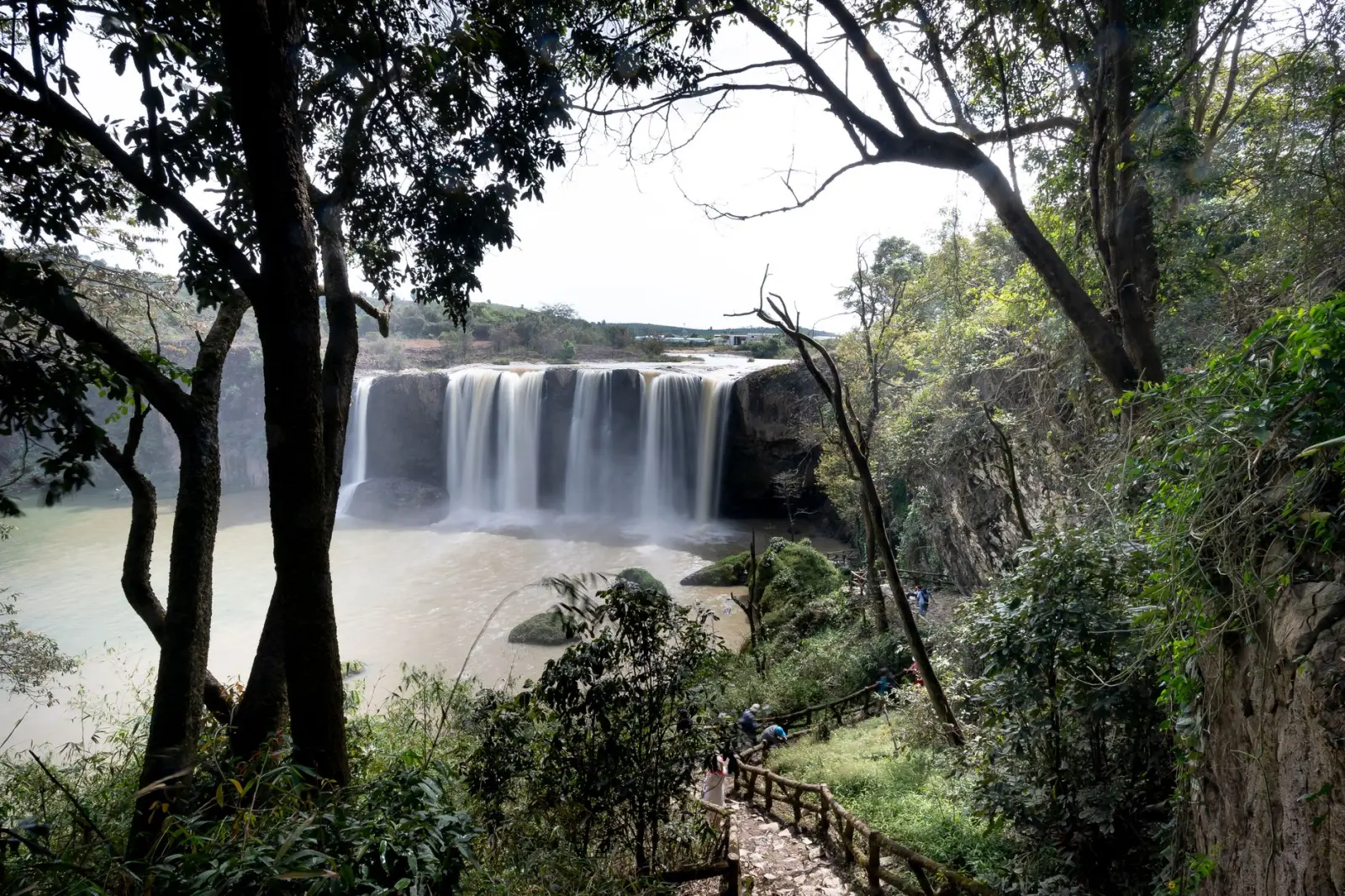
Once you reach the waterfall platform, most visitors stop. The falls themselves are modest by Australian standards – a single drop of about 10 meters into a small pool – but the real forest experience begins if you continue exploring the area below. The creek bed extends further downstream, and the forest opens up differently here. The understory thins slightly, and you get a clearer sense of the drainage patterns that shape this whole pocket.
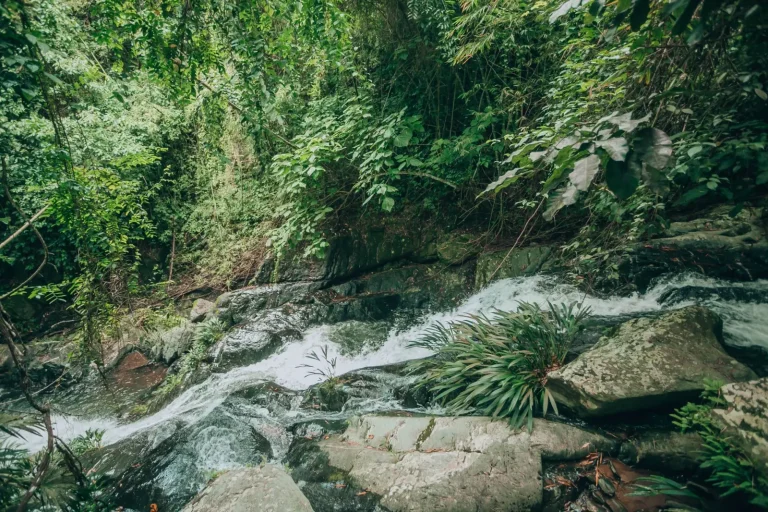
The rock surfaces around the falls are slippery year-round. This isn’t a seasonal issue. Algae and moisture coating builds up constantly in this shaded environment, and even on days that feel dry, the rocks maintain a slick film. I’ve watched people slip on what they assumed was dry stone. The pool below the falls is cold and deep enough that falling in would be genuinely unpleasant, not just embarrassing. The water clarity varies – sometimes it’s tea-colored from tannins upstream, sometimes clearer – but the temperature stays consistently cold.
Exploring Beyond the Main Platform
The forest extends significantly beyond where most people venture. If you move carefully past the main viewing platform and follow the creek downstream, the canopy opens slightly and you encounter a different forest structure. The trees here are older and more spaced, with less aggressive undergrowth. This section feels quieter because fewer people make it this far. The creek bed widens, and you can see the geological layering more clearly – the strata that built this valley over time.
The walk back upstream toward the falls from this lower section reveals something worth noticing: the water volume changes dramatically depending on recent rainfall. After heavy rain, the creek becomes a genuine torrent, and the falls transform into something more impressive. But it also becomes genuinely hazardous. The rocks become more treacherous, and the sound of water makes navigation harder. I’ve seen people attempt to explore during or immediately after rain and turn back within minutes. The forest itself doesn’t change, but the conditions it creates do.
Timing and Visitor Patterns
The walk is popular enough that timing matters. Early morning, before 9 AM, gives you a reasonable chance of having the main platform to yourself or with only a handful of others. By mid-morning, the picnic area fills, and the waterfall platform becomes crowded. The peak period runs from about 10 AM to 2 PM, especially on weekends. If you’re exploring the forest rather than just viewing the falls, you’ll want to avoid this window. The noise and congestion change how the space feels entirely.
Late afternoon brings a different dynamic. The light angles differently through the canopy, and the temperature starts dropping noticeably. The forest feels less inviting as the shadows deepen. Most day visitors have cleared out by 4 PM, but you lose daylight advantage. The walk itself is short enough that timing isn’t critical for safety, but it affects the quality of the experience.
What the Forest Reveals About Water and Drainage
Spending time in this forest teaches you something about how water moves through the landscape. The creek that feeds Elabana Falls is fed by a larger catchment upstream, and you can read that story in the forest structure. The trees closer to the creek are different species and age than those further back. The soil composition changes noticeably as you move away from the water. The undergrowth density correlates directly with moisture availability. This isn’t abstract ecology – it’s visible in what’s actually growing where.
The forest floor itself is worth observing. It’s thick with decomposing material – fallen logs, leaf litter, broken branches. This creates a spongy surface that absorbs water quickly but also makes footing unpredictable. Roots cross the trail frequently, and they’re often wet and slippery. Many people catch their feet on roots they didn’t see clearly because they were focused on the waterfall ahead rather than the ground beneath them.
The rock formations around the falls are sandstone and basalt, part of the larger geological structure of the Lamington plateau. These rocks weather differently – the sandstone breaks down faster, creating softer edges and more unstable surfaces, while the basalt holds its shape longer but becomes more slippery when wet. Understanding which is which helps you move more confidently through the space.
Practical Realities of Extended Exploration
If you venture beyond the main platform for any real distance, footwear matters significantly. The slippery rocks and wet undergrowth punish poor shoe choice quickly. Runners or light hiking shoes with worn treads become liabilities. Proper hiking boots with good grip make a measurable difference in how safely and confidently you can move. The distance is short, but the conditions are unforgiving.
The forest is also remarkably quiet. There’s bird activity, but it’s subtle. You hear water constantly – the falls themselves, the creek, dripping from the canopy – but human-made sounds carry differently here. This quietness can be disorienting if you’re used to busier trails. It’s not threatening, just noticeably absent of the ambient noise you expect.
Lighting is another practical factor. The canopy is thick enough that even on bright days, the forest floor stays dim. If you’re exploring in late afternoon or on overcast days, your eyes take time to adjust, and detail becomes harder to see. Uneven footing becomes harder to judge. A headlamp or good flashlight isn’t essential for the main walk, but it becomes useful if you’re moving around the lower creek bed as light fades.
The forest around Elabana Falls isn’t remote or particularly challenging, but it operates on its own terms. The conditions are consistent – the dampness, the slipperiness, the canopy coverage – and they don’t change much seasonally. What changes is water volume and visitor density. Understanding both helps you move through this space with better awareness of what’s actually happening beneath your feet and around you, rather than just moving toward the waterfall and back to the carpark.