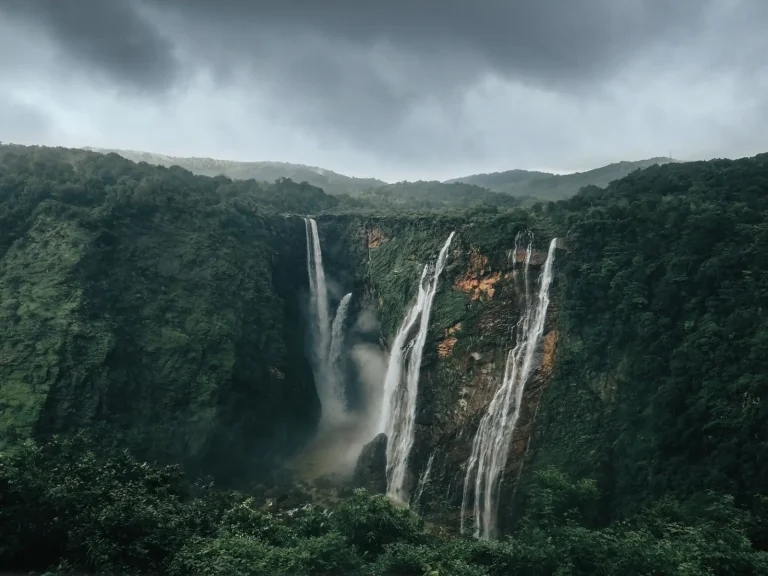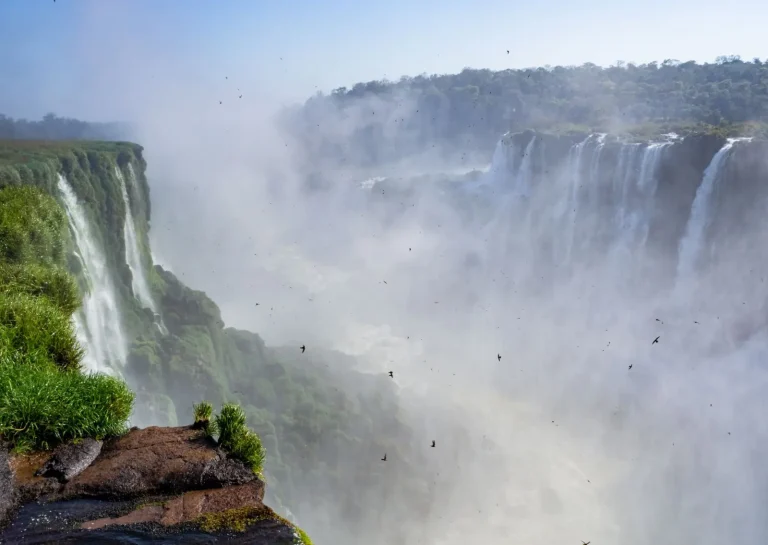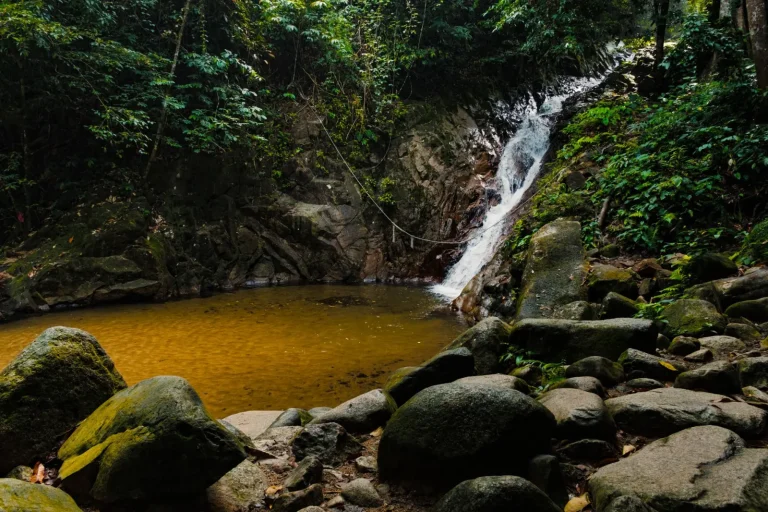

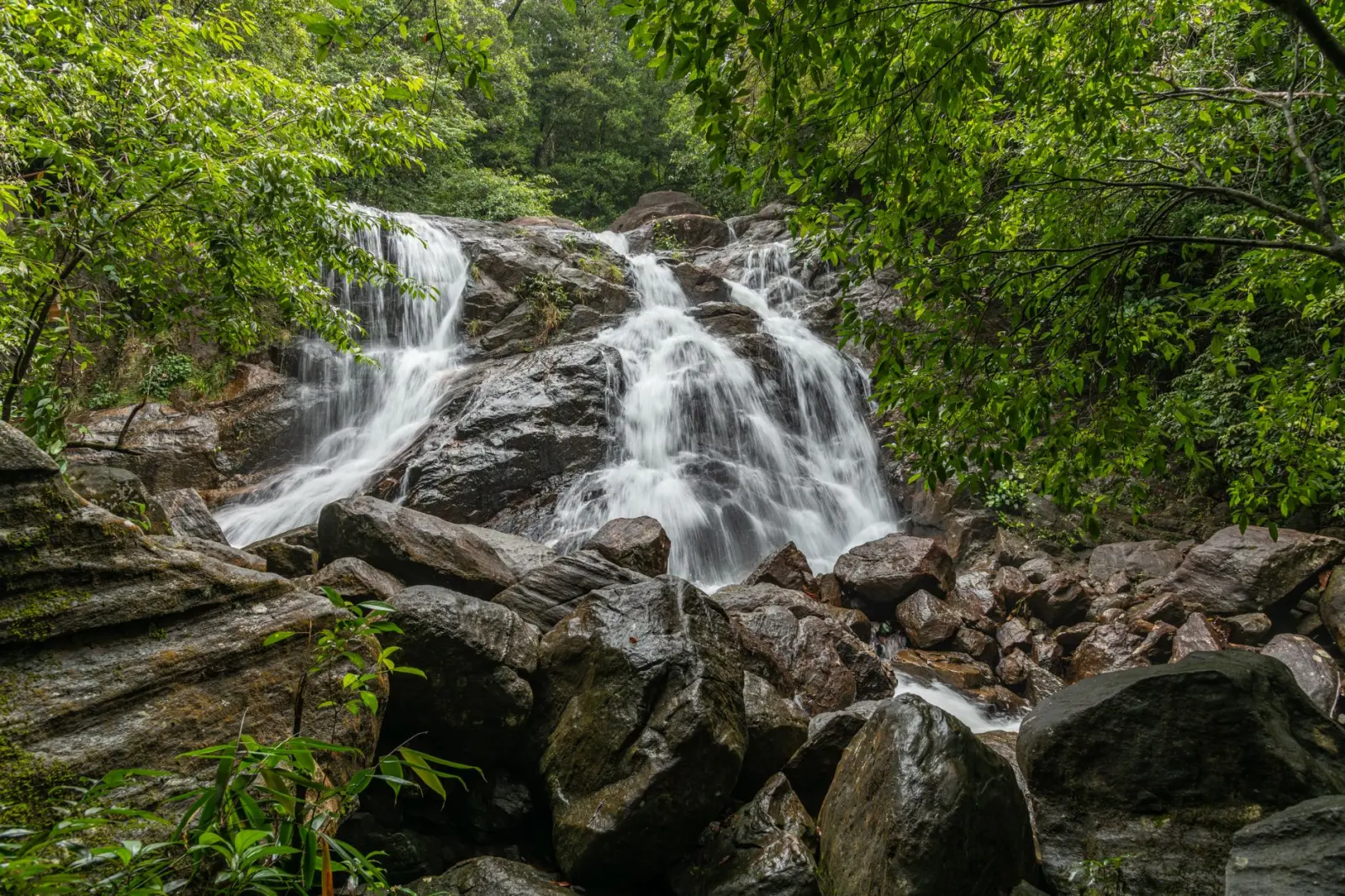
Dorrigo National Park sits in the hinterland south of Coffs Harbour, and its waterfalls are genuine. They’re not the kind of attraction that exists only in tourism photography. But what you find there depends almost entirely on when you arrive and how much rain has fallen in the preceding weeks. I’ve visited across different seasons, and the variation is striking enough that it’s worth understanding before you plan around it.
The park’s rainforest environment means water is always present in some form. Creeks run year-round, and there are permanent pools in several locations. But “waterfall” implies volume and drop, and that’s where timing becomes critical. The Dorrigo Falls themselves – the main attraction – can be a substantial cascade after heavy rain or a modest trickle in drier months. Neither version is false or disappointing in itself, but they’re different experiences entirely, and the difference affects how you’ll move through the park and what you’ll actually see.
The Rainforest Setting and Water Movement
The park occupies a steep section of the Great Dividing Range, which means the terrain naturally channels water downslope. The rainforest canopy is dense and mature, so rain that does fall tends to soak into the soil rather than run off immediately. This delays peak flow in the creeks. A heavy rain event doesn’t produce instant gushing waterfalls the way it might in a more open landscape. Instead, the water percolates through the forest floor and emerges over hours or days as sustained creek flow.
This matters for planning. If you check the weather and see rain forecast for your visit day, you might assume the falls will be impressive. In reality, the best conditions often appear 24 to 48 hours after significant rainfall, once the ground has absorbed and released that water. Arriving on the day of the rain itself can mean muddy tracks and swollen creeks but not necessarily the most dramatic waterfall display.
The vegetation itself changes how you experience the falls. The ferns, moss, and dripping rock faces are part of what makes the place distinctive. But they also mean the area stays slick and green regardless of water flow. A dry season visit still feels lush and active, which can be misleading. The creek might be low, but the forest around it looks perpetually wet. First-time visitors sometimes assume the falls are more substantial than they are because the entire landscape reads as water-rich.
Access and Physical Conditions
The main walking tracks to Dorrigo Falls and the other notable cascades are reasonably well-maintained, but “well-maintained” in a rainforest context means something specific. The tracks are cleared and marked, but they’re also steep, often muddy, and require genuine attention to foot placement. After rain, they become genuinely slippery. The moisture doesn’t drain quickly through the dense canopy, and the soil composition – rich in organic matter – becomes almost greasy underfoot.
I’ve seen visitors underestimate this. Casual footwear is not adequate. Even in dry conditions, proper hiking boots with decent grip make a real difference. In wet conditions, they become necessary. The tracks aren’t long – most of the main falls are within an hour or two of the car park – but the intensity of the terrain means fatigue accumulates faster than distance alone would suggest.
Creek crossings appear on several routes. In low-water periods, these are straightforward rock-hop situations. After rain, the creeks swell significantly, and what was a simple step becomes a genuine water crossing. I’ve seen the creek at Dorrigo Falls rise enough to make the standard route impassable, forcing visitors to either turn back or find alternative approaches. The park doesn’t typically close due to water levels, but conditions can shift the experience substantially.
Seasonal Patterns and What to Expect
The wet season in this region runs roughly November through March, with peak rainfall typically in February and March. During this period, the falls are at their most dramatic, but so is the mud, the insect activity, and the general difficulty of movement. The air is heavy with humidity, and the physical exertion feels more intense because of it.
The dry season, May through September, brings clearer skies and more stable track conditions. The falls are less impressive, but the walking is more straightforward. The trade-off is real. Some visitors prefer the easier conditions and accept the smaller waterfalls. Others specifically time visits for the wet season despite the added difficulty, knowing that’s when the park shows its full character.
The shoulder months – April, October – can be unpredictable. A week of sun followed by a burst of rain can create good conditions, or the opposite can happen. There’s no reliable pattern here. I’ve had excellent visits in late April after a wet spell, and I’ve also seen April be dry and underwhelming.
The Practical Reality of Visiting
Most people spend two to four hours at Dorrigo exploring the main falls and nearby pools. The park has basic facilities – a car park, pit toilets, and picnic areas – but nothing elaborate. There’s no accommodation within the park itself, and the nearest towns with services are Dorrigo village (small, limited options) or Coffs Harbour (larger, 45 minutes away).
The pools themselves are worth noting. Several spots along the creeks have deep enough water for swimming, particularly after rain. The water is cold year-round – it’s rainforest runoff – but it’s refreshing rather than shocking. The pools are also where you’re most likely to encounter other visitors, especially on weekends. The wider falls area can feel quite solitary, but the popular swimming spots draw crowds.
One thing I’ve consistently observed: the park rewards early arrival. Starting a walk by mid-morning means you’ll have the tracks largely to yourself and better light for photography if that matters to you. The afternoon brings more visitors and, in the wet season, increases the chance of an afternoon storm rolling through. There’s nothing dangerous about being caught in rainforest rain, but it does reduce visibility and makes the already slippery tracks more challenging.
The waterfalls themselves are part of a broader ecosystem experience. The birdlife, the insect activity, the specific smell of wet rainforest soil – these are often what stays with visitors more than the falls themselves. If you’re visiting primarily for dramatic waterfall photography, timing and recent weather matter enormously. If you’re visiting to experience the rainforest environment, the falls are a focal point but not the whole story. That distinction shapes how satisfying a visit feels.