
The first time you hear an eastern whipbird, you might not realize you’re listening to a bird at all. The sound arrives as a sharp, sudden crack – like a whip snapping through the understory – followed by a lower, almost conversational chuckle from a different bird nearby. It’s disorienting until you understand what’s happening: two birds are calling in sequence, and the acoustic effect creates the impression of a single, impossible sound. Once you’ve heard it a few times, you can’t unhear it, and it becomes one of the defining audio signatures of Australian rainforests from the Queensland coast down through New South Wales.
Eastern whipbirds are small, dark birds that spend most of their time in dense vegetation, which is why many people visit rainforests without ever seeing one. They’re not rare, but they’re deliberately inconspicuous. The bird doing the “whip” crack is typically the male, and his partner responds with the chuckling note. This duetting behavior serves territorial and pair-bonding functions, and it happens year-round, though it’s most frequent during breeding season from August through January. The birds are sedentary – they don’t migrate – so if you’re in the right rainforest habitat at any time of year, there’s a reasonable chance you’ll encounter their call.
Habitat and Distribution
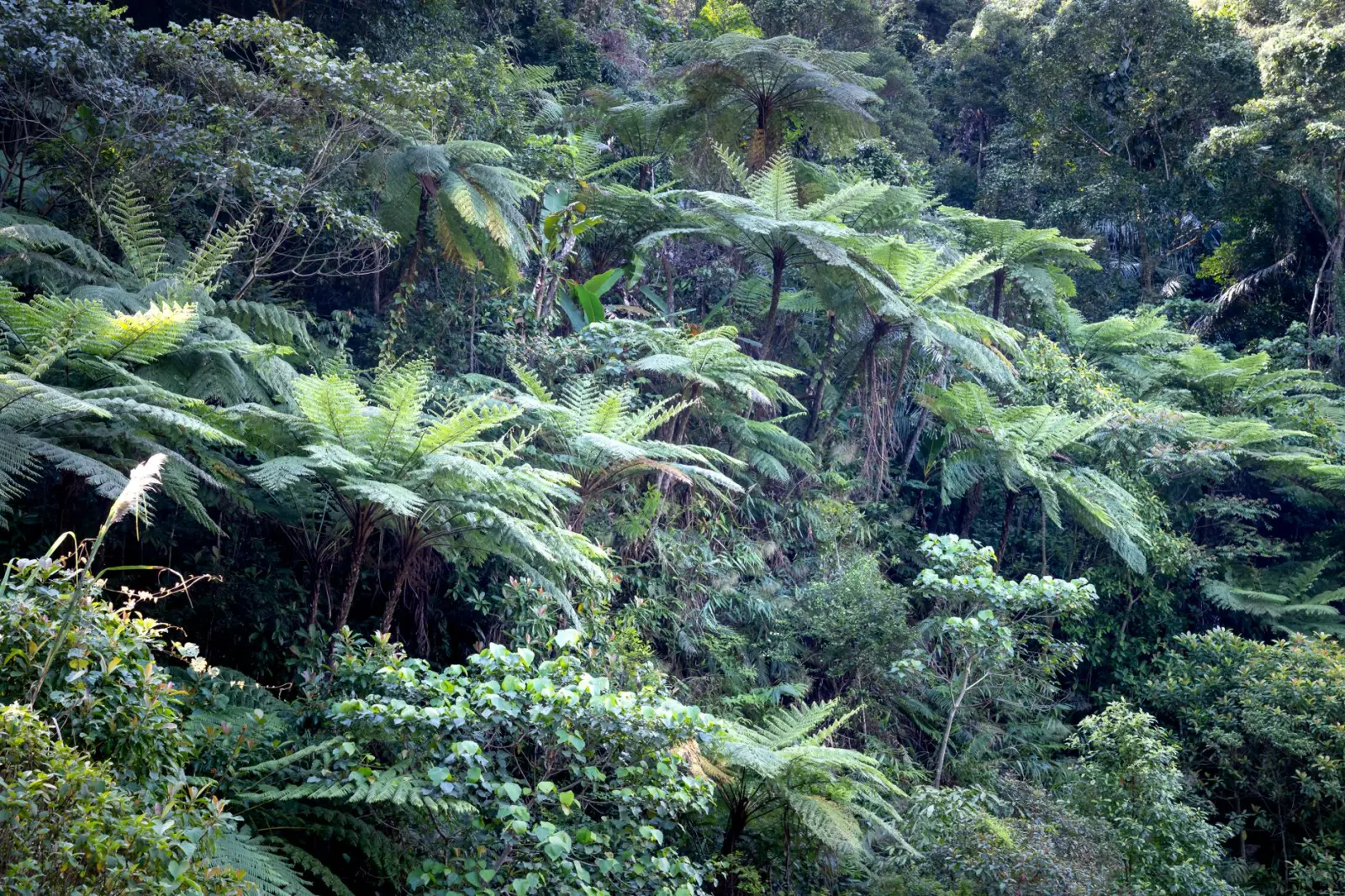
Eastern whipbirds occupy a specific ecological niche. They need dense, structurally complex rainforest understory with plenty of leaf litter and low vegetation where they can forage for insects, spiders, and small invertebrates. This means they’re found in subtropical and warm temperate rainforests, not in open woodland or cleared areas. In Queensland, they’re common in places like the Daintree, Lamington National Park, and the Border Ranges. As you move south into New South Wales, you’ll find them in rainforest patches around places like Nightcap National Park and the Minyon Falls area. They’ve also been recorded in Victoria, though populations there are patchier and less vocal.
The distribution tells you something practical: if you’re visiting a rainforest and you don’t hear whipbirds, it’s usually because the understory structure isn’t right for them, not because they’re absent from the region. Rainforests that have been logged or heavily disturbed often lack the dense, layered vegetation these birds need. Similarly, rainforests that are too young or too open – like regrowth areas – might not support them. The birds are sensitive to habitat quality in ways that aren’t always obvious to a casual visitor.
Behavior and Foraging Patterns
Whipbirds are ground feeders and low-foragers. They spend much of their day moving through leaf litter, turning over small debris and pecking at insects. They’re not acrobatic like honeyeaters or aggressive like butcherbirds. Instead, they’re methodical and quiet when they’re not calling. This means you’re more likely to hear them than see them, and even then, the call might be your only confirmation of their presence in a particular patch of forest.
They’re also relatively sedentary within their territory. A pair will occupy the same area for years, and they don’t wander far. This makes them useful for understanding rainforest health and continuity. If you hear whipbirds in a particular location year after year, it’s a sign that the habitat is stable enough to support resident pairs. Conversely, if they disappear from an area where they were previously common, it often reflects changes in the forest structure or composition that might not be immediately obvious to the eye.
Vocalizations and Seasonal Patterns
The whip-crack call is loud and carries well through dense vegetation, which is why you can hear it from a considerable distance even when the bird is hidden. The frequency and intensity of calling varies with season and time of day. Early morning is generally the most vocal period, particularly during breeding season. If you’re in rainforest habitat and you hear the call frequently – multiple pairs calling back and forth – it’s usually a sign of good habitat quality and stable populations.
The chuckling response from the female is softer and less dramatic than the male’s whip-crack, which is why it’s often overlooked by people unfamiliar with the species. Once you know to listen for it, you realize it’s an integral part of the call sequence. The two notes together create a complete vocal display that’s quite different from the impression you get from hearing only the whip-crack in isolation.
Seasonal variation in calling is real but not dramatic. Whipbirds call year-round, but the frequency does increase during the breeding season. In winter months, particularly in southern parts of their range, calling can be less frequent, though it doesn’t stop entirely. This means that visiting a rainforest in June or July might yield fewer whipbird calls than visiting in October, but you shouldn’t assume they’re absent just because it’s quieter.
Practical Observations for Visitors
If you’re specifically interested in hearing whipbirds, the most reliable approach is to spend time in known rainforest areas during early morning hours. Lamington National Park in Queensland and Nightcap National Park in New South Wales are both reliable locations. The birds are most vocal in their territories, so staying in one spot and listening rather than walking continuously often yields better results. Patience matters more than effort here.
The call is distinctive enough that once you’ve heard a recording or experienced it in person, you won’t confuse it with other rainforest sounds. Other birds make sharp sounds – kookaburras, for instance – but the whipbird’s call has a particular acoustic quality that’s unmistakable. Similarly, the duetting pattern is unique to this species in Australian rainforests, so hearing that sequence is a reliable identification.
Weather affects calling activity. Whipbirds are less vocal on very hot days or during heavy rain, though they don’t stop calling entirely. Overcast mornings with light rain or mist are often good times to hear them. Wind doesn’t seem to suppress their calling as much as it does for some other species, possibly because their call is adapted to carry through dense vegetation regardless of conditions.
Understanding eastern whipbirds adds a layer of meaning to rainforest visits. They’re not charismatic megafauna, and they won’t appear in photographs easily, but their presence and vocal activity tell you something real about the forest’s health and structure. Hearing them is a small but genuine connection to the functioning rainforest ecosystem, and it’s one of those experiences that improves with repeat visits and accumulated knowledge.