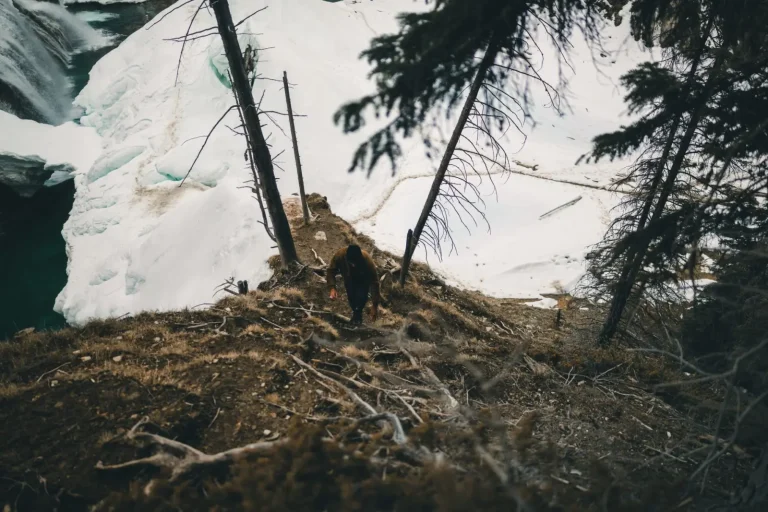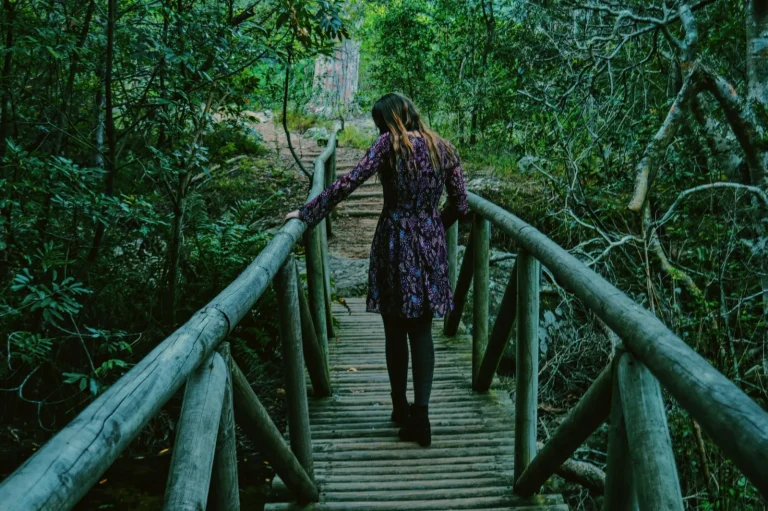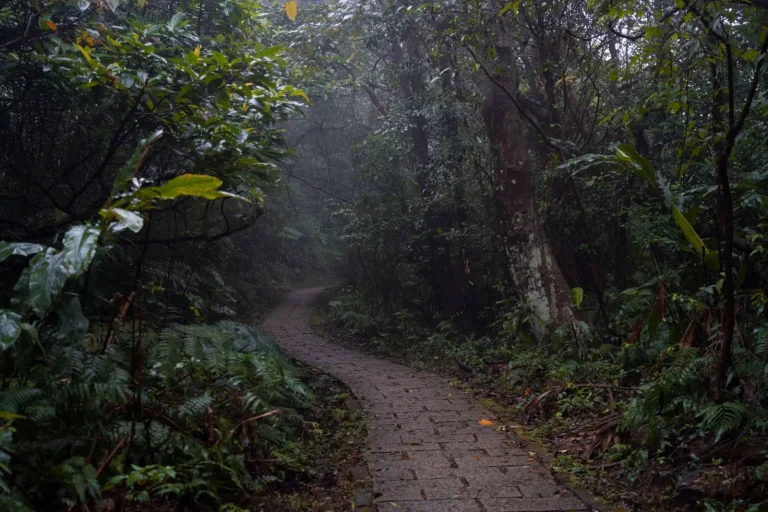

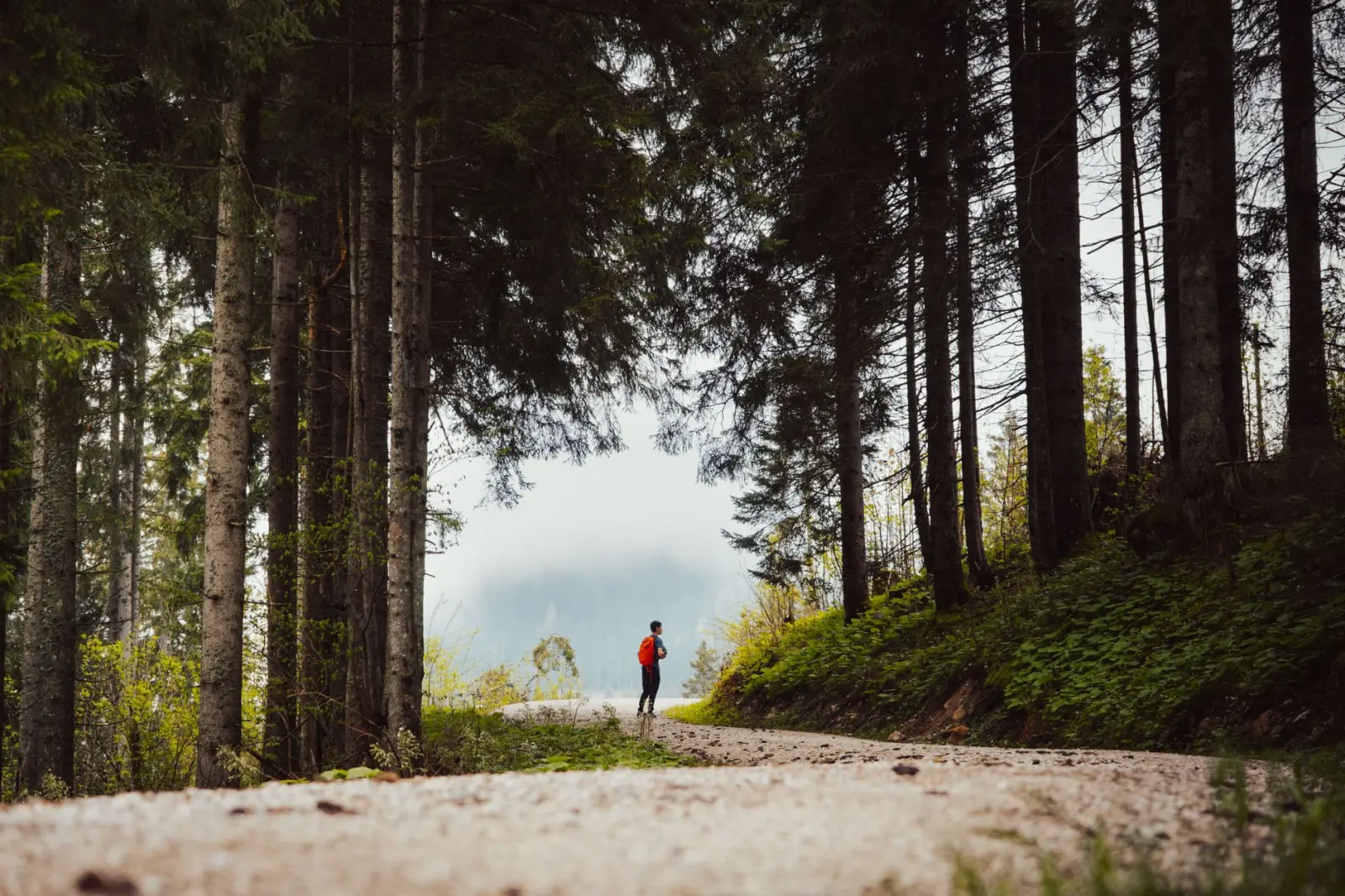
The forest around Zillie Falls presents a particular set of conditions that don’t always match what you’ll find in online descriptions or park brochures. I’ve spent considerable time moving through this terrain, and certain patterns emerge once you’re actually there with a pack on your back and limited daylight remaining.
The immediate approach to the falls is straightforward enough. There’s a defined trail that most people follow, and it’s reasonably well-maintained during the warmer months. The real complexity begins once you move beyond the main viewing area and start exploring the surrounding forest. The canopy is dense in places, which affects both visibility and the way water sounds carry through the landscape. You can hear the falls from surprising distances, but that acoustic property can be misleading when you’re trying to orient yourself or gauge how far you’ve actually traveled.
Water presence is one of the most immediate environmental factors. Depending on season and recent rainfall, the forest floor transitions from damp to genuinely wet with little warning. I’ve seen hikers arrive in standard sneakers expecting a casual walk and find themselves dealing with genuine mud and slick rock surfaces within thirty minutes. The soil composition changes noticeably as you move closer to the water sources. Higher ground tends to be rocky and well-drained, while lower areas hold moisture persistently, even days after rain.
Trail Condition Variability
The marked trails around Zillie Falls aren’t consistently maintained. Some sections show clear evidence of regular foot traffic and deliberate clearing. Other stretches, particularly those branching off toward secondary viewpoints or less-visited areas, can become obscured by fallen branches and regrowth. The markers themselves – usually paint blazes or cairns – are present but not uniformly spaced. In some areas you’ll see them every fifty meters. In others, you might go two hundred meters without visual confirmation that you’re on an established route.
This inconsistency creates a specific problem: it’s easy to follow what appears to be a trail and gradually realize you’ve drifted onto a game path or a route created by previous explorers rather than official maintenance. The distinction matters because game paths often lead to dead ends or terrain that becomes progressively more difficult. I’ve backtracked more than once after committing to a direction that seemed logical but wasn’t actually a maintained hiking route.
Seasonal Movement Patterns
The forest changes noticeably with season, and this affects both navigation and the physical demands of exploration. In warmer months, vegetation is fuller, which can obscure both the ground and distant landmarks. In cooler seasons, visibility improves, but the ground becomes slicker and water crossings become more challenging due to higher flow rates. Spring typically brings the most water volume, which affects which routes are even passable.
The falls themselves vary dramatically. During dry periods, Zillie Falls becomes a modest cascade – still attractive, but the reduced flow changes the entire character of the surrounding landscape. The mist that normally creates a distinctive microclimate around the base diminishes, and the sound that helps orient you becomes quieter. Conversely, after heavy rain, the falls become a genuine torrent, and the spray zone expands significantly. The rocks around the base become treacherously slick, and the noise becomes so loud that you lose the ability to hear ambient forest sounds that might otherwise help with navigation.
Practical Movement and Timing
Most people underestimate the time required to explore this forest meaningfully. The main trail to the falls takes perhaps twenty to thirty minutes in each direction, depending on fitness and exact starting point. But if you’re moving beyond that primary destination, time calculations become less predictable. Terrain that looks straightforward from a distance often requires careful footwork once you’re on it. Scrambling over rocky sections, negotiating water crossings, and navigating around obstacles all consume more time than you’d estimate from a map or trail description.
I’ve found that early morning exploration works better than afternoon attempts. The light is better, you’re fresher, and you have more daylight remaining if you encounter unexpected obstacles or decide to explore a promising side route. Starting late in the day creates pressure to rush, which is when navigation errors happen and when people end up on routes they didn’t intend to take.
Water Crossings and Hazards
The streams feeding into Zillie Falls require multiple crossings if you’re exploring beyond the main viewpoint. These crossings are rarely dangerous during normal water levels, but they’re consistently underestimated. Rocks are slippery even when they look dry. Water depth can change rapidly depending on upstream conditions. I’ve seen people lose their footing in what appeared to be ankle-deep water and go down hard. Proper footwear matters far more than most casual explorers assume.
The rocks themselves present a secondary hazard. The geology around the falls is primarily granite and similar stone that becomes extremely slick when wet. Moss and algae growth in shaded areas adds another layer of slickness. Even on dry days, rocks in the splash zone of the falls are essentially frictionless. This isn’t a minor inconvenience – it’s a genuine constraint on where you can safely move.
Beyond the immediate falls area, the forest floor is a mix of exposed roots, rocks of varying sizes, and sections of soft ground that can give way unexpectedly. Twisted ankles happen regularly, and they happen to experienced hikers as well as casual visitors. The terrain doesn’t demand technical climbing skills, but it does demand attention and deliberate footwork.
The forest around Zillie Falls rewards patient, methodical exploration. You’ll see more and understand the landscape better if you move slowly and pay attention to how the terrain is actually behaving rather than how you expected it to behave. The falls themselves are the obvious destination, but the surrounding forest has its own character once you stop treating it as just the approach route.