
Mount Bartle Frere sits at 1,622 metres in Far North Queensland, and the forest around it is nothing like the dry bushland most Australian travellers expect. The rainforest here is dense, wet, and unforgiving in ways that don’t announce themselves until you’re already committed to a walk. I’ve spent enough time moving through these forests to know where the common assumptions fall apart and where the actual constraints live.
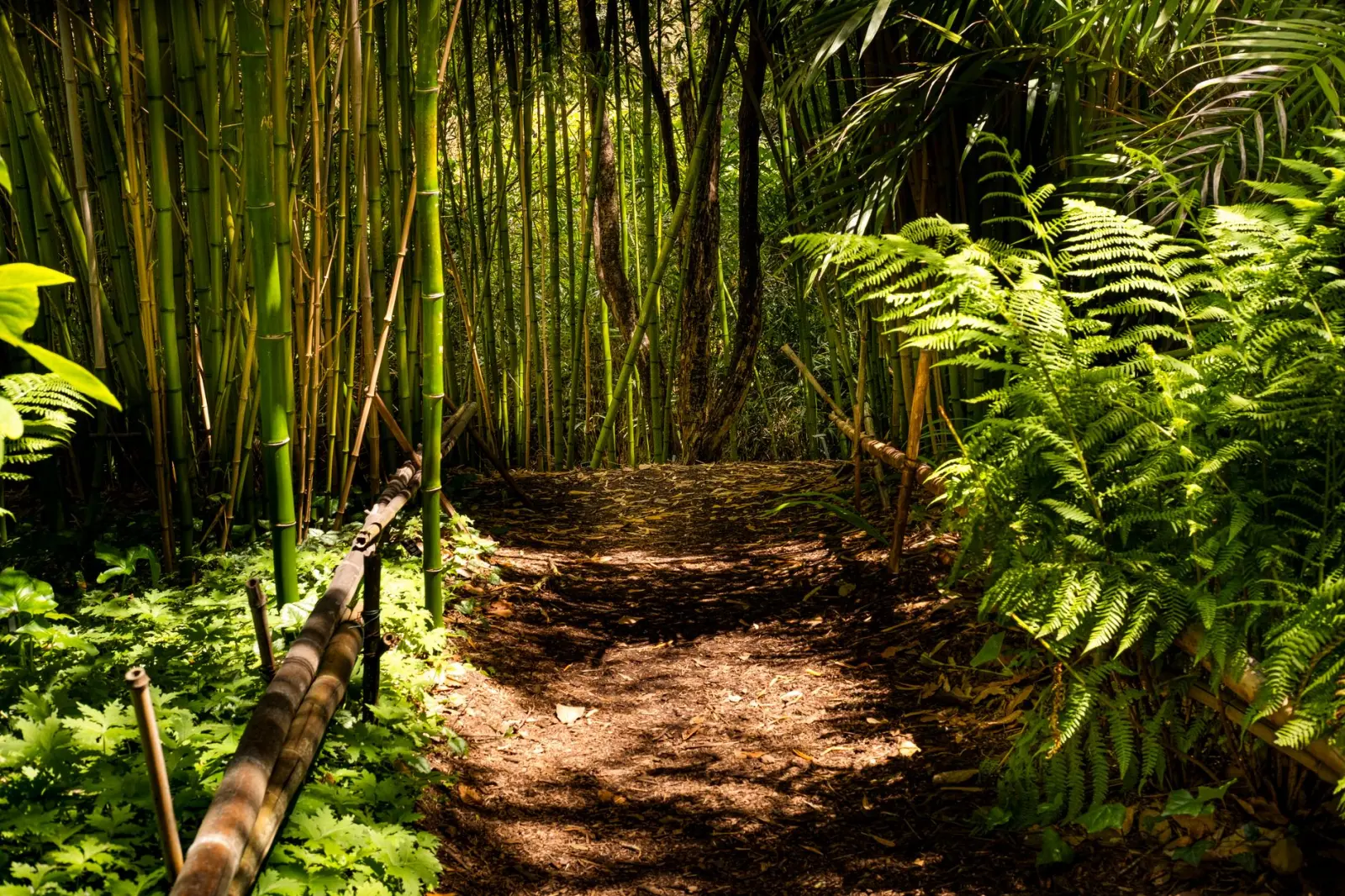
The forest floor itself is the first thing that catches people off guard. It’s not a matter of stepping over roots or navigating fallen logs. The ground is often saturated, sometimes boggy, and the leaf litter hides uneven terrain that can turn an ankle faster than you’d think. After rain – which is frequent – sections become genuinely difficult to traverse. The canopy is so thick that water doesn’t drain quickly, and what looks like solid ground can be spongy underneath. This isn’t a minor inconvenience; it fundamentally changes how fast you can move and how much energy the walk demands.
Timing and Daylight Reality
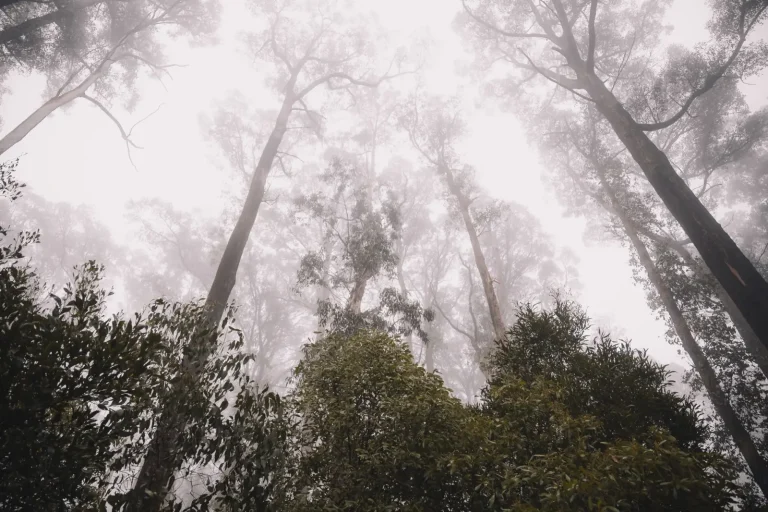
The canopy density also means daylight doesn’t penetrate the way it does in open forest. By mid-afternoon, the light inside the forest becomes dim enough that you notice it. If you start a walk at 9 or 10 in the morning, you’ll find yourself moving in twilight conditions by 3 or 4 p.m., even though the sun is still high outside the forest. This compresses your effective walking window more than distance alone would suggest. I’ve watched people underestimate this and end up moving through dense rainforest in near-darkness, which is when mistakes happen – slips, wrong turns, exhaustion setting in harder than expected.
The wet season runs roughly November through March, and during that period, many of the smaller tracks become genuinely impassable without serious scrambling. The larger established routes remain walkable, but “walkable” doesn’t mean pleasant or safe. Mud can be knee-deep in sections. Stream crossings that are minor during dry months become real obstacles. If you’re planning to explore beyond the main trails, you need to be honest about what conditions you’re actually equipped for. Most people aren’t.
Navigation and Trail Condition
The main tracks around Bartle Frere are reasonably well-marked, but “marked” is relative. Blazes fade, tracks split where informal routes have developed, and the forest’s visual similarity makes it easy to drift without noticing immediately. GPS helps, but it’s not a substitute for attention. The forest doesn’t forgive inattention the way open country does. You can walk past a turn and not realize it for twenty minutes, and then you’re backtracking through mud and fatigue.
I’ve found that the most useful approach is to walk these forests with a clear understanding of what you’re actually doing. The Bartle Frere summit track is established and reasonably straightforward if you’re fit and prepared for steep terrain. But if you’re interested in exploring the broader forest system – the ridgelines, the creek valleys, the secondary routes – you need to move slower, plan shorter distances, and accept that you’ll cover far less ground than you would in drier or more open terrain.
The forest canopy also affects navigation in another way. Landmarks that would be visible from a distance in open country are invisible here. You can’t see the mountain from inside the forest to orient yourself. You can’t see where you’ve come from once you’re fifty metres away. This creates a kind of spatial disorientation that’s hard to describe until you’ve experienced it. Your sense of direction becomes unreliable quickly.
Physical Demands and Fitness
The steepness of terrain around Bartle Frere is real, but it’s compounded by the forest conditions. A steep slope in dry conditions is one thing. A steep slope in mud, with exposed roots acting as obstacles, with poor footing, and with limited visibility is something else entirely. Your legs work harder. Your balance is constantly engaged. Your concentration doesn’t drop for a moment because the ground demands attention.
This is why people who are fit in general can still find themselves struggling. You might be able to run 10 kilometres on flat ground without difficulty, but that doesn’t translate directly to moving efficiently through rainforest. The muscle groups engaged are different. The balance and proprioception demands are higher. The mental fatigue of constant attention adds up. I’ve watched experienced hikers move through these forests slower than their fitness level would suggest, simply because the terrain demands a different kind of engagement.
Water and Stream Crossings
The forest is cut through by streams and creeks at various points, and these are rarely trivial to cross. During dry periods, they’re straightforward. But the water level rises quickly after rain, and the current can be surprisingly strong. The rocks are slippery. The banks are often steep and muddy. A stream that’s knee-deep one day can be thigh-deep or deeper the next. If you’re exploring routes that involve creek crossings, you need to have a genuine plan for what happens if the water is higher than expected.
I’ve seen people turn back at creek crossings, and I’ve seen people attempt crossings that were genuinely risky. The calculus changes depending on how far you’ve already walked and what your alternatives are. If you’re deep in the forest and a creek is running high, your options are limited. This is why starting early and having a clear turnaround time matters more than it sounds.
What Actually Works Out Here
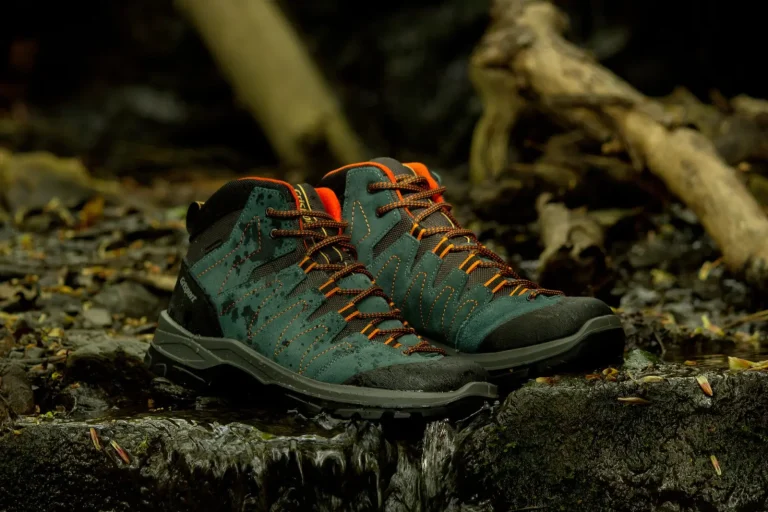
The forests around Bartle Frere are worth exploring, but they reward a specific approach. Move early in the day. Plan shorter distances than you think you need. Bring more water than seems necessary because the effort is higher than you’ll predict. Wear boots with real ankle support and aggressive tread. Accept that you’ll move slowly and that this is normal, not a sign you’re unfit. Pay attention to light and weather, and have a genuine turnaround time that you stick to.
The forest itself is remarkable. The biodiversity is genuine. The sense of being in something genuinely wild is real. But that wildness isn’t decorative. It’s a constraint that shapes every walk. Understanding that constraint, rather than working against it, is what separates walks that feel manageable from walks that become ordeals.