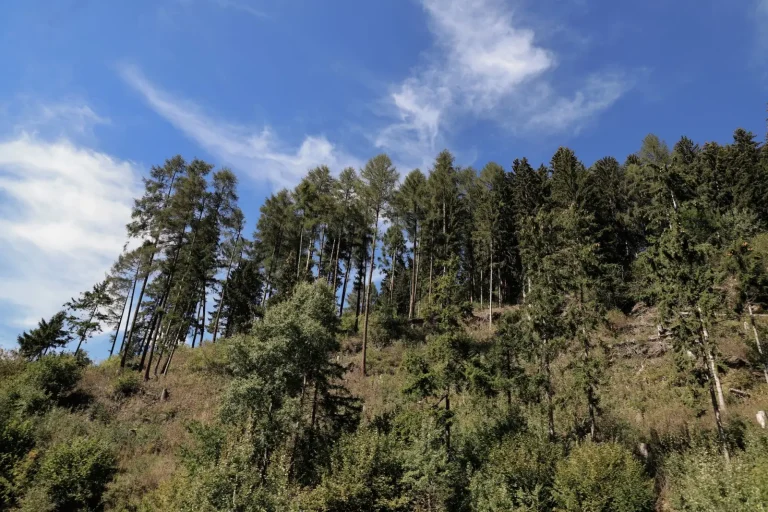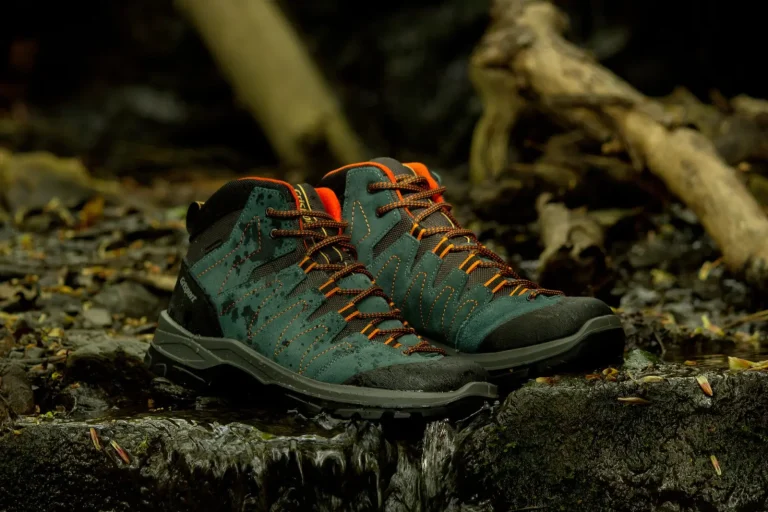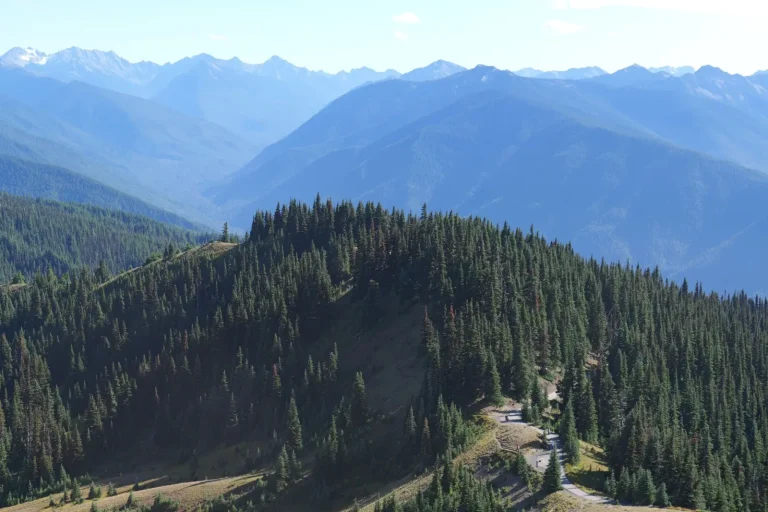

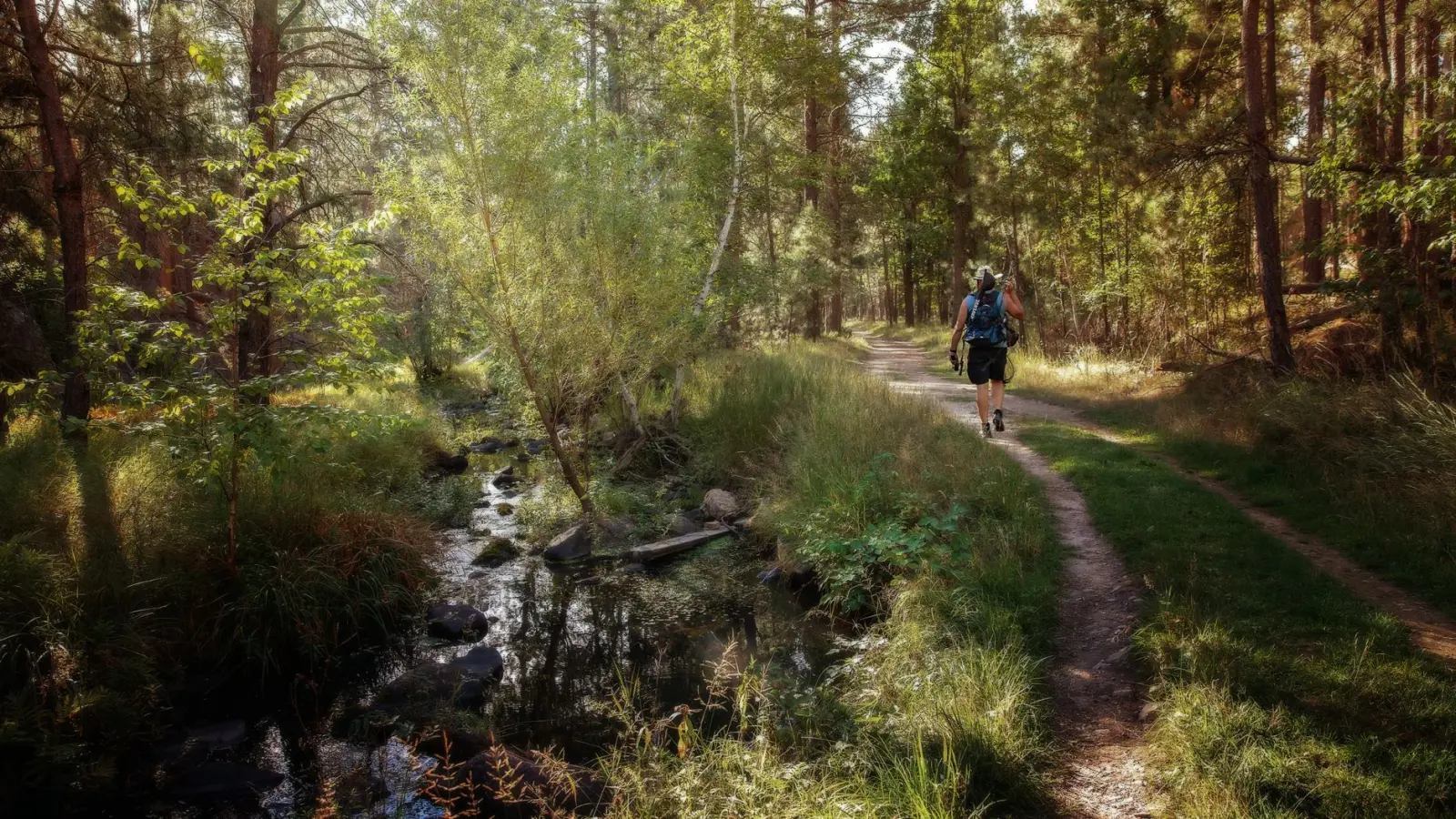
The forests around Mount Lewis aren’t what most people expect when they arrive with a daypack and optimistic timing. I’ve walked these trails dozens of times across different seasons, and the gap between what visitors imagine and what they actually encounter is significant enough to matter. The terrain moves constantly between states – muddy creek crossings that look simple from above are slippery underfoot, steep sections that appear brief on a map consume far more energy than anticipated, and the canopy density changes so abruptly that light and temperature shift within a few steps.
What strikes me most is how the forest itself dictates the pace. These aren’t manicured walking tracks. The ground is uneven, roots surface unpredictably, and fallen branches create obstacles that force you to watch your feet more than you’d like. In wetter months, the soil becomes almost spongy in places, and your boots sink slightly with each step – nothing dramatic, but it’s fatiguing over distance. The trail markers exist, but they’re not constant, and there are enough false paths created by previous walkers that attention lapses get punished quickly. I’ve watched people lose 20 minutes doubling back because they followed what seemed like the main track but wasn’t.
The Canopy Effect and Visibility
The forest here is dense enough that weather feels different inside it than it does in open areas. Rain that seems light when you’re walking into the forest becomes heavier once you’re surrounded by trees. The canopy absorbs some of it, but moisture pools on leaves and drips onto you long after the actual rain has stopped. On humid days, the air inside the forest is noticeably thicker, and you’ll sweat more than you’d expect for the temperature reading. This matters because people often underdress, assuming forest cover means cooler conditions. It does, but the humidity negates that benefit quickly.
Visibility also changes dramatically depending on time of day and season. Early morning walks are darker than you’d think, even in summer. The dense canopy means sunrise takes longer to penetrate, and if you start before 7 a.m., you’ll need a headlamp or torch for at least the first 30 minutes. In winter, the light window is compressed severely. I’ve seen people arrive at trailheads at 10 a.m. thinking they have a full day ahead, only to realize by 3 p.m. that the light is already fading and they’re still 45 minutes from the car.
Water and Stream Crossings
The creeks and streams that run through these forests are seasonal, but even in drier months, they’re present. Crossing them isn’t technically difficult, but it’s where most people lose time and confidence. The rocks are slippery, the current can be faster than it appears, and the banks are often muddy or unstable. I’ve watched fit walkers take 10 minutes to cross a creek that should take 90 seconds because they’re testing each step carefully. That’s not unreasonable – it’s the right approach – but it adds up across multiple crossings. In spring or after heavy rain, some crossings become genuinely problematic. The water rises, the rocks are submerged, and you’re either wading through deeper water or finding an alternative route that doesn’t exist.
The other issue with water is that it’s easy to underestimate how much you’ll need. The forest is humid, you’re moving steadily, and dehydration creeps up on you. Most people carry one or two liters, which is often enough, but I’ve seen walkers rationing water by mid-afternoon because they didn’t account for the humidity and the constant low-level exertion. Refilling from creeks is possible, but it requires either a filter or the willingness to drink untreated water, which carries its own risks.
Navigation and Trail Condition Variance
The trails around Mount Lewis vary significantly in condition depending on maintenance and recent use. Some sections are well-established and obvious. Others are overgrown enough that you’re pushing through vegetation, and the path becomes a matter of following the least-resisted line through the forest rather than a clear track. This isn’t dangerous, but it’s slower and more draining. Your legs take more contact with plants, you’re constantly checking direction, and mental fatigue accumulates faster than physical fatigue.
GPS and maps help, but they’re not foolproof in dense forest. Signal can drop, and even with a map, the terrain doesn’t always match what you’re looking at on screen. I rely on a combination of trail markers, terrain recognition, and dead reckoning. Most walkers I encounter are using their phones, which works until the battery dies or the signal vanishes. I’ve met people who’ve turned back or become genuinely lost because they trusted their phone exclusively.
The forest also changes seasonally in ways that affect navigation. In spring, new growth can obscure trail markers. In autumn, fallen leaves cover the track, and you’re essentially walking on a carpet of debris that obscures rocks, roots, and the actual path surface. Winter is clearer in some ways – less vegetation – but wet conditions make everything more treacherous.
Physical Demands and Realistic Timing
The elevation gain around Mount Lewis is moderate, but the forest terrain makes it feel steeper than the numbers suggest. You’re not just climbing elevation; you’re navigating uneven ground, stepping over obstacles, and moving carefully through sections where a twisted ankle would be genuinely problematic because you’re a long way from immediate help. A walk that would take 90 minutes on a road might take 150 minutes on these forest trails.
Most people underestimate this. They see a 5 km loop and assume two hours. Add the forest reality, and it’s closer to three. If you’re moving at a comfortable pace, stopping to look at plants or wildlife, taking photos, or just being cautious on slippery sections, four hours is reasonable for a moderate forest walk. This matters for planning. Start too late, and you’re finishing in fading light, which changes the entire character of the walk and increases risk.
The physical fatigue is also different from open-trail walking. Your legs work differently on uneven ground. Your core is engaged more for balance. Your feet and ankles are constantly making micro-adjustments. After a few hours, this accumulates into a specific kind of tiredness that’s distinct from pure cardiovascular exertion. I notice it most on the walk back to the car – the last 20 minutes always feel longer than the first 20 minutes, even if the terrain is identical.
Walking through these forests requires accepting that you’re moving through a living system that doesn’t accommodate human convenience. The pace is slower, the conditions are variable, and attention is constant. That’s not a flaw in the experience – it’s the actual experience. Once you stop expecting the forest to behave like a manicured trail, the walking becomes more manageable and, honestly, more interesting.