
Dorrigo National Park sits in the New England region of northern New South Wales, and the rainforest trails here have a particular character that doesn’t announce itself until you’re actually moving through them. I’ve walked these paths across different seasons and times of day, and there’s a consistency to what catches people off-guard: the terrain demands more than the distance suggests, the canopy creates its own weather system, and navigation feels straightforward until it doesn’t.
The park itself is modest in size compared to other protected rainforest areas in Australia, but that compactness is part of what makes it accessible. You’re not committing to a full-day expedition just to see what the place offers. The main trails – Satinash, Cedar, and the loop combinations – range from 2 to 8 kilometers depending on how you connect them. On paper, these are manageable distances. In practice, the rainforest environment transforms what “manageable” means.
The Rainforest Terrain and What It Does to Your Pace
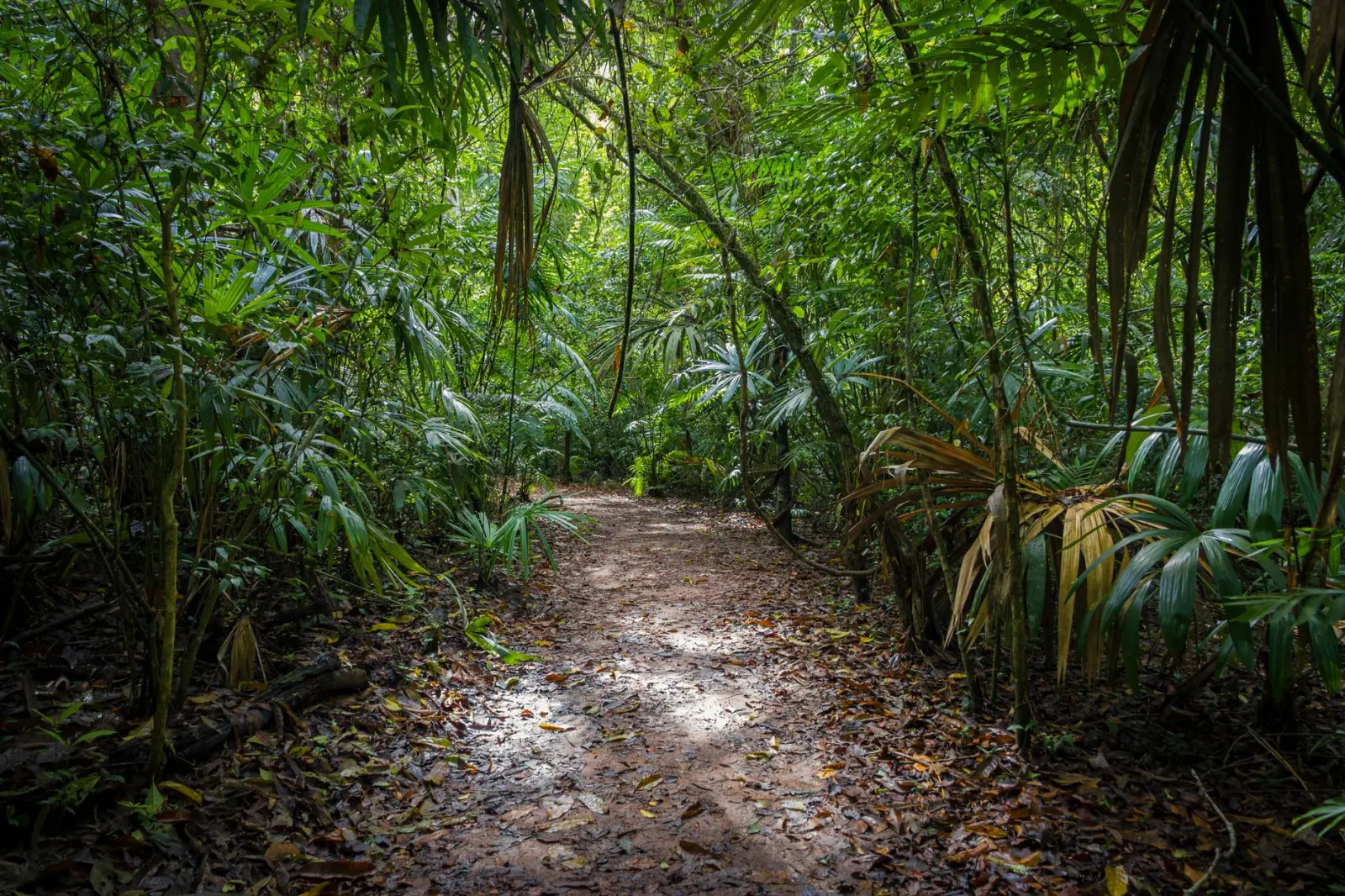
Subtropical rainforest trails are not the same as open bushland walking. The soil here is often soft and uneven, built up from decades of leaf litter and decomposing wood. Your foot doesn’t land on solid ground the way it does on a maintained hiking track in drier country. Instead, you’re constantly adjusting for slight give, for roots that cross the path at ankle height, for sections where the trail has become a shallow watercourse after rain.
The grade might be gentle – Dorrigo’s trails don’t have the sustained elevation gain you’d find in mountain ranges – but the technical difficulty is higher than the elevation profile suggests. A 4-kilometer loop that would take 45 minutes on a regular bush track often takes 75 to 90 minutes here. Your legs aren’t necessarily burning, but your attention is constant. You’re watching foot placement, reading the trail surface, stepping over or around obstacles. That cognitive load accumulates faster than pure exertion does.
Water crossings are frequent, and they’re rarely dramatic. Small creeks run through the gullies, and the trails cross them at natural points. During dry periods, these are straightforward rock hops. After rain, they become minor obstacles that require a moment of thought about where to place your weight. I’ve seen people misjudge these crossings and end up with wet feet and a moment of frustration that lingers longer than the actual crossing should have taken.
Canopy Cover and What It Means for Navigation and Conditions
The rainforest canopy is dense enough that it creates a distinct microclimate. On a hot day outside the park, the trails stay noticeably cooler. That sounds appealing, and it is, but it also means the ground dries more slowly after rain. Sections that look dry from above may still be slick underfoot. The light is often dim enough that details of the trail become harder to read, especially in late afternoon when shadows deepen.
Navigation is straightforward on the main trails. They’re marked and well-maintained, and you’re unlikely to get genuinely lost. What does happen is that the repetitive nature of rainforest scenery – similar tree types, similar understory density – can make distance feel longer than it is. You pass the same visual landscape for what feels like an extended period, and your sense of progress flattens. This is minor in terms of actual difficulty, but it affects how people experience the walk psychologically.
The canopy also affects visibility in another way: wildlife sightings are less common than you might expect. The dense vegetation means you’re walking through habitat without seeing much of it. You hear birds, you might see a lyrebird, but large animals stay hidden. This doesn’t diminish the experience, but it’s worth noting if you’re walking with the expectation of regular wildlife encounters.
Timing, Fatigue, and the Reality of Afternoon Walks
Most people approach Dorrigo as a half-day activity. You drive there, park, walk for a couple of hours, and leave. This works fine for the shorter trails, but it creates a particular timing problem for afternoon visits. The park is only about 30 kilometers from Coffs Harbour, so people often arrive mid-morning or early afternoon. An afternoon walk means finishing in low light or near dusk, which changes how the trail feels.
Fatigue in rainforest walking is different from fatigue on open trails. You don’t hit a wall of exhaustion; instead, your attention becomes less sharp. Your foot placement becomes less precise. You start taking slightly larger steps over obstacles instead of carefully stepping around them. These small changes accumulate, and by the time you’ve been on the trail for 90 minutes, you’re more vulnerable to a misstep than you would be at the 45-minute mark on a regular track.
I’ve noticed that people consistently underestimate how much energy the technical terrain demands. They arrive thinking a 5-kilometer walk is a casual outing, and it is, but it’s a different kind of casual than they anticipated. There’s no real danger if you’re reasonably fit and attentive, but there’s also no room for complete inattention.
Practical Realities of Movement Through the Park
The main trailhead at Satinash Creek is the logical starting point. The parking area is adequate, and the facilities are basic but functional. From there, the Satinash Trail itself is the most popular option, and for good reason – it’s shorter, it reaches a waterfall pool, and it gives you a sense of the rainforest without committing to a longer loop.
If you combine trails into longer loops, you’re looking at a genuine half-day commitment. The Cedar Trail extends the walk, and connecting these creates a circuit that takes most people between two and two-and-a-half hours. This is where the terrain’s technical demands become more noticeable. Your legs aren’t necessarily tired, but your concentration has been engaged for an extended period, and that’s where mistakes happen.
Water is available at the trailhead, but you should carry enough to sustain yourself on the walk. The trails don’t pass water sources that are reliably safe to drink from, and the canopy means you’re not losing fluids as rapidly as you would in open sun, so people sometimes underestimate their hydration needs. A couple of liters is adequate for the main walks.
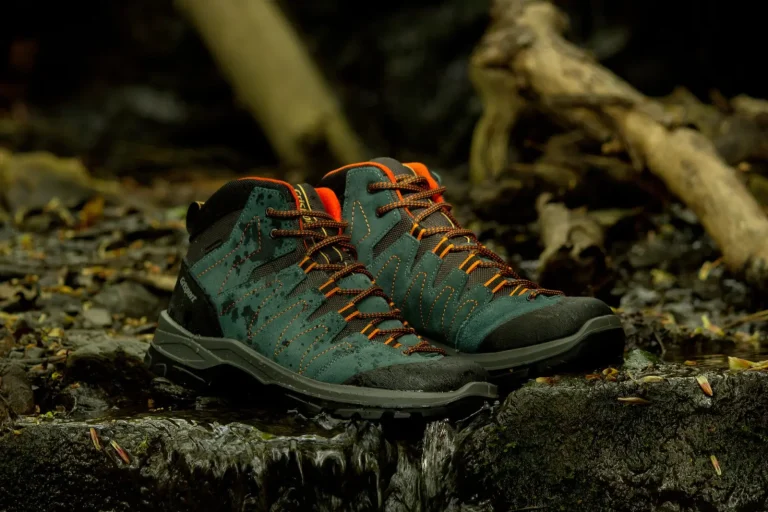
Footwear matters more here than on many Australian bush trails. The soft ground and root obstacles reward shoes with good ankle support and a sole that grips damp surfaces. Trail runners work, but hiking boots are more forgiving over a longer period. I’ve seen people in minimal footwear manage fine on the Satinash Trail alone, but they’re working harder than they need to.
Seasonal Variation and What Changes Between Visits
The park is walkable year-round, but conditions shift noticeably. Winter months bring lower temperatures and less humidity, which makes the walking more comfortable. Summer is hot and humid, and the canopy’s cooling effect is less pronounced because the air itself is already warm. Trails are wetter in the weeks after rain, which is frequent in this region.
The rainforest doesn’t have dramatic seasonal changes in appearance the way deciduous forests do. The vegetation is consistently green. What changes is the amount of water on the ground and the density of insects. Mosquitoes are present year-round but more aggressive in warmer months and after rain. Insect repellent is worth carrying, particularly if you’re walking in late afternoon when mosquito activity peaks.
Visitor numbers fluctuate with school holidays and weekends. The trails are never crowded in the way that popular coastal walks can be, but you’re more likely to encounter other walkers during peak times. The trails are wide enough that this isn’t a problem, but it does affect the experience if you’re seeking solitude.
Walking Dorrigo’s trails is straightforward in terms of logistics and safety, but it’s more technically demanding than the distance alone suggests. The rainforest environment creates conditions that reward attention and preparation. Most people find the experience rewarding precisely because it’s not a trivial walk – there’s enough engagement to make you feel like you’ve actually moved through the landscape, rather than simply covered distance.