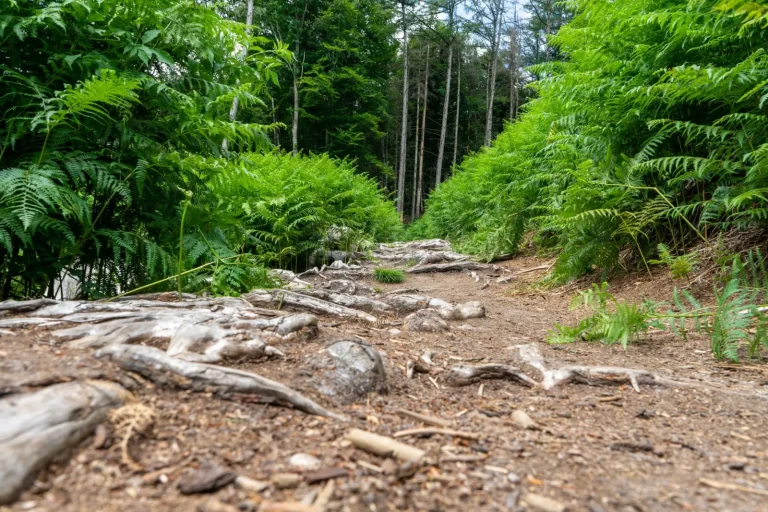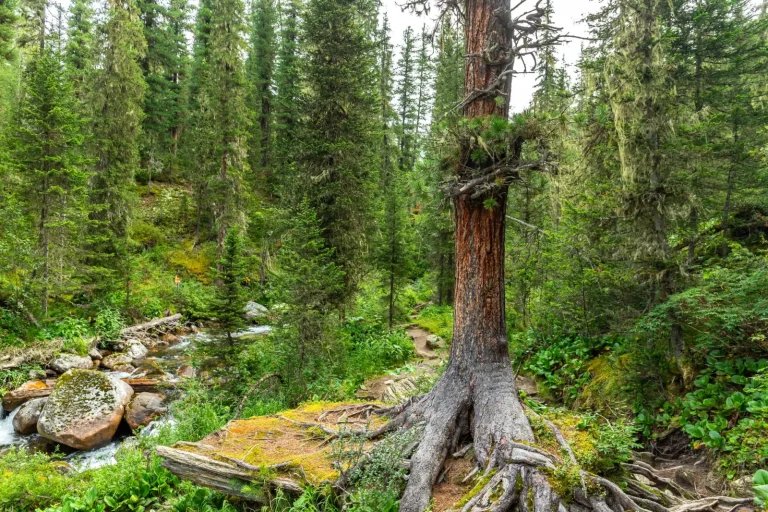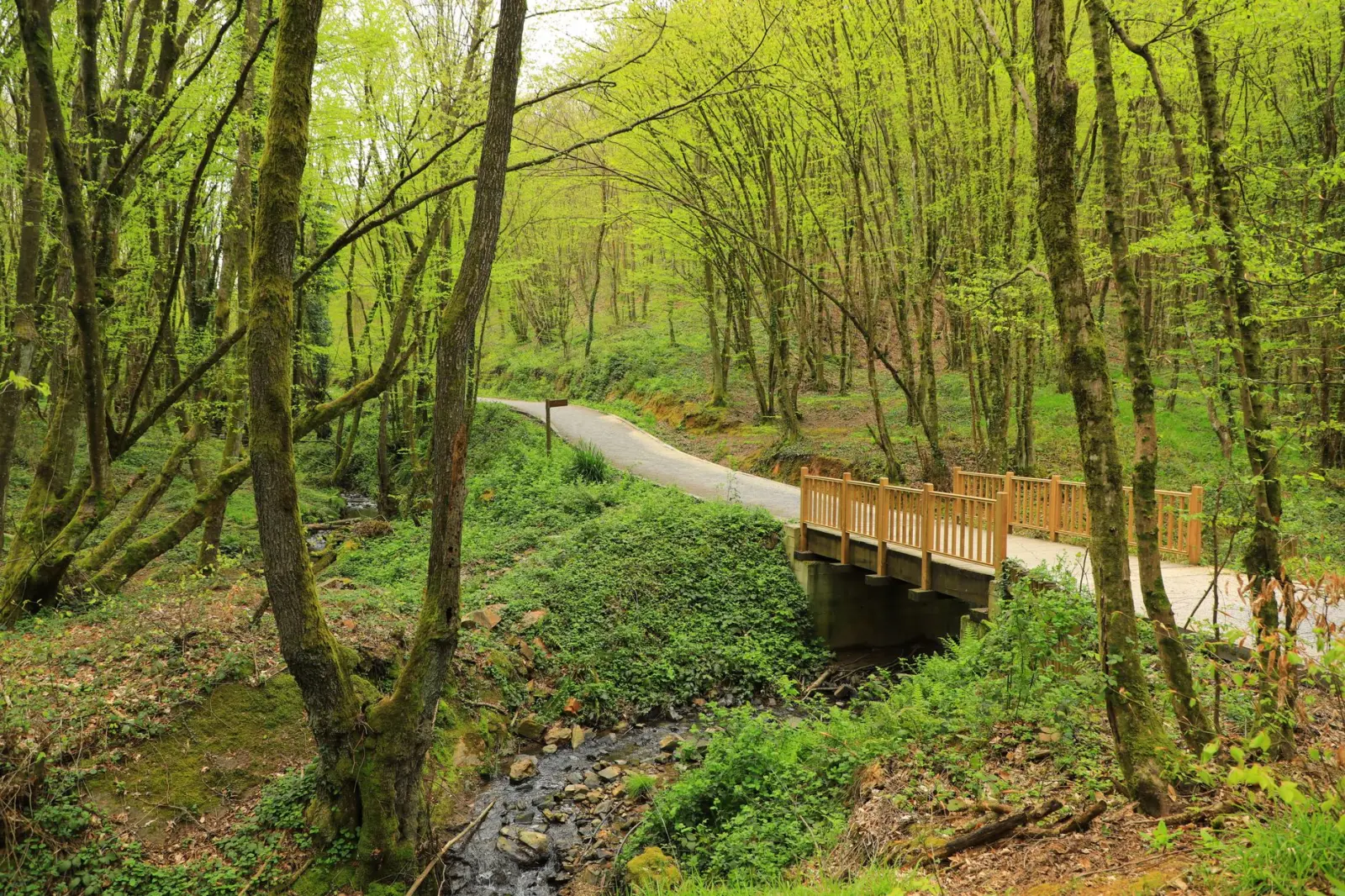
The rainforest around Ballina sits in a peculiar pocket of the northern NSW coast. It’s not the dense, impenetrable jungle you might imagine from travel blogs, and it’s not manicured parkland either. What you get is subtropical regrowth forest mixed with pockets of older growth, creek systems that change character depending on recent rainfall, and a humidity that catches most people off guard. I’ve walked these trails dozens of times across different seasons, and the experience varies far more than the guidebooks suggest.
Most people arrive expecting a certain aesthetic – towering trees, dramatic vistas, the kind of scene that photographs well. What you actually encounter depends heavily on which walk you choose and when you go. The forest here is working forest. It’s recovering in places, established in others, and the trails themselves range from well-maintained to genuinely rough. Understanding this upfront saves frustration and helps you pick something that matches your actual fitness level and what you’re hoping to experience.
The Creek-Based Walks: Consistency and Crowds
The walks that follow creek systems – particularly around the Minyon Falls area and the various creek walks accessible from the Ballina hinterland – tend to be the most reliable. They’re reliable because water is the anchor. The creek doesn’t move, the path is worn in by regular foot traffic, and the shade is consistent. Minyon Falls itself is the big draw, and for good reason. The walk takes you down into a gorge with a proper waterfall at the end, and the forest canopy closes in enough that you feel genuinely removed from the surrounding landscape.
The catch is that Minyon Falls has become popular enough that you’ll rarely walk it alone, especially on weekends. The car park fills early, and the trail itself becomes a steady procession of people, particularly in the middle hours of the day. If you’re going for solitude or a sense of wilderness, adjust your expectations. If you’re going to see what the rainforest actually looks like and get some exercise, it works well. The walk is roughly two hours return depending on your pace, and the descent is steep enough that your legs will know about it on the way back up. The waterfall itself is modest in dry periods but impressive after rain.
Other creek walks in the area – like those around Nightcap National Park – offer similar structure with less foot traffic. These tend to be shorter and steeper, which means fewer casual walkers. The trade-off is that the paths are sometimes less obvious, and you need to be more attentive to where you’re actually stepping. The forest here is older in patches, which changes the feel entirely. You get proper understory, thicker vegetation, and a sense that you’re moving through something more established than the regrowth forest closer to Ballina itself.
Timing, Weather, and What Conditions Actually Feel Like
The humidity here is relentless in summer and autumn. I’ve seen experienced walkers from inland areas genuinely struggle with it, not because the walks are steep but because the air feels solid. You’re not just walking; you’re pushing through moisture. Early morning is essential if you’re going in warmer months. By mid-morning, the forest is genuinely uncomfortable for most people, and by afternoon, it’s a slog. Winter and early spring are the sweet spot – the temperature is manageable, the humidity drops, and the light changes in ways that make the forest actually look interesting.
Recent rainfall transforms these walks entirely. Creeks that are barely flowing become proper streams. The forest floor becomes slippery, and what was a straightforward walk becomes a technical scramble in places. This isn’t necessarily bad – the water makes the forest look alive in a different way – but it requires different footwear and a different mindset. Dry periods bring their own issues. The creeks diminish, the forest looks parched, and the psychological reward of reaching a waterfall disappears if there’s barely any water flowing.
Accessibility and What the Terrain Actually Demands
The walks near Ballina range from genuinely easy to genuinely difficult, and the signage doesn’t always make this clear. Some of the shorter walks that are marketed as “family friendly” have sections that are steep enough to be awkward for people with knee issues or limited fitness. Others that sound more serious are actually straightforward if you’re reasonably fit. The key variable is always the descent and ascent. Even a short walk becomes exhausting if there’s significant elevation change, particularly in heat and humidity.
The Minyon Falls walk is graded as moderate, and that’s roughly accurate if you’re reasonably fit and accustomed to walking. If you’re not, it’s harder than that. The steps down are steep and repetitive, and the return journey tests your knees and calves in ways that a flat walk doesn’t. Some of the Nightcap walks are steeper still, with sections that involve using tree roots and rocks to haul yourself up. These aren’t dangerous if you’re paying attention, but they demand respect and appropriate footwear. Slip-resistant hiking boots make a genuine difference on wet forest floors.
What to Actually Bring and Prepare For
Water is the obvious one. The forest feels wet, but it’s humid, not hydrating. You’ll dehydrate faster than you expect, especially in warmer months. I’ve seen people turn back halfway through walks because they didn’t bring enough water. Two liters minimum for anything over an hour. Insect repellent works, though the effectiveness varies. Mosquitoes are present but not usually the main issue. Leeches are the real concern in wet periods, and no amount of repellent stops them entirely. They’re not dangerous, just unpleasant. Salt works if you carry it. Permethrin-treated clothing is more effective than any spray you’ll apply on the day.
The forest floor is uneven. Twisted ankles happen regularly, and they happen to experienced walkers as much as beginners. Proper footwear matters more than fitness. Trekking poles reduce the impact on your knees on the descent and give you stability on uneven ground. They look unnecessary until you’re halfway down a steep section and your legs are already tired. A light rain jacket is worth carrying even on days that look clear. The forest canopy provides some protection, but the humidity means you’ll get wet from sweat regardless of whether it rains.
Mobile reception is patchy to nonexistent on most of these walks. This isn’t a crisis if you’re on a marked trail and reasonably fit, but it’s worth knowing. Tell someone where you’re going and roughly when you’ll be back. The walks are popular enough that if something goes wrong, other walkers will be around, but that’s not guaranteed, particularly early in the morning or on quieter days.
The rainforest around Ballina rewards the effort, but it rewards realistic expectations more. These aren’t wilderness epics or Instagram-ready destinations. They’re working subtropical forest with established trails, variable conditions, and a particular kind of beauty that emerges when you stop expecting something else and actually pay attention to what’s in front of you. The best walks are the ones you choose based on what you actually want to experience that day, not the ones that sound most impressive or promise the most dramatic scenery.