The rainforest walks around Murwillumbah tend to cluster in a few reliable pockets, and most visitors cycle through the same handful without realizing what separates a mediocre afternoon from something genuinely worthwhile. After spending considerable time in this region, I’ve noticed patterns in what works and what doesn’t – patterns that don’t always align with popularity or official ratings.
Murwillumbah sits at the northern edge of the Tweed Valley, close enough to several significant rainforest reserves that you can reach them without excessive driving, yet far enough that the crowds thin out compared to the Gold Coast hinterland. The subtropical rainforest here is genuinely old growth in places, with canopy structure and understory complexity that feels different from the more manicured reserves further south. The soil stays damp most of the year, which means the walking surface is often soft and occasionally slippery, even when it hasn’t rained recently.
Minyon Falls and the reality of the approach
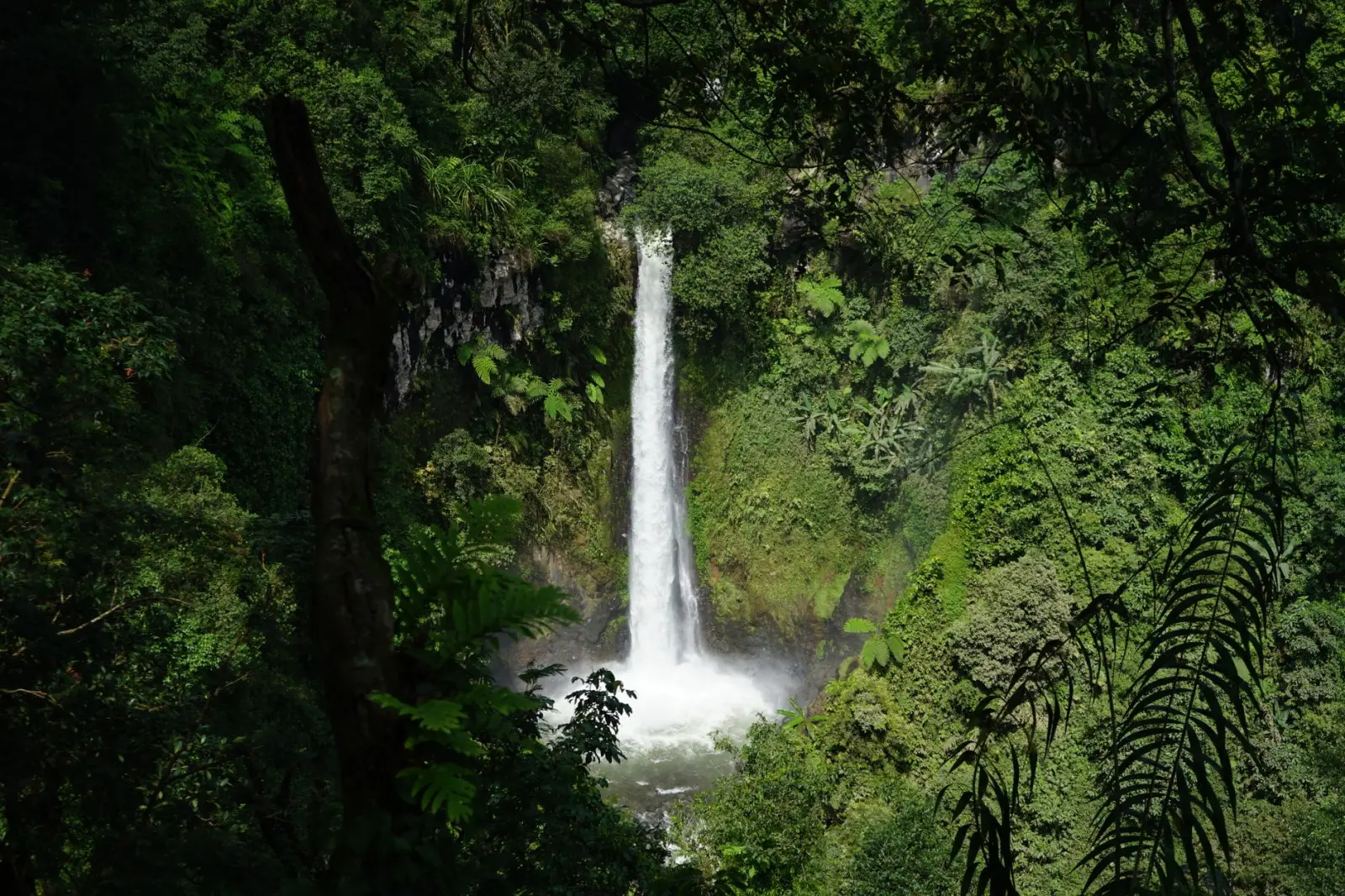
Minyon Falls is the walk most people mention first, and for understandable reasons – it’s a genuine waterfall in genuine rainforest, and the walk is straightforward enough that most fitness levels can manage it. The track descends roughly 300 meters over about 3 kilometers, which sounds moderate until you factor in the return climb and the fact that the descent is relentless. I’ve seen plenty of people arrive at the falls energized and then hit a wall on the way back up, especially if they’ve underestimated how much the humidity drains you.
The walk itself moves through open rainforest with decent canopy cover, so the temperature stays relatively stable. That’s actually the problem some people face – they don’t realize how warm it is until they’re halfway back and their body has already spent significant energy. The falls themselves are modest compared to what you might see in other regions, but the pool is deep and genuinely swimmable if you’re comfortable with cool water and slippery rocks. The track is well-maintained, which means it’s also well-used, so you’re unlikely to have solitude unless you start very early.
Timing matters here. The walk takes roughly two hours down and two and a half back, but that’s for people moving steadily. Add another 30 to 45 minutes if you’re stopping frequently or if the group includes slower walkers. Starting after 9 a.m. means you’re returning in the heat of the afternoon, which compounds fatigue. The parking area is small and fills quickly on weekends.
Nightcap National Park: Protesters Falls and the quieter option
Protesters Falls sits within Nightcap National Park, about 20 minutes from Murwillumbah, and it’s consistently less crowded than Minyon. The walk is shorter – roughly 2.5 kilometers return – but it’s steeper in sections, with some genuinely technical footing on the descent. The rainforest here is denser, with more palm species and a different light quality that feels more enclosed.
What I’ve observed is that people often underestimate this walk because the distance looks manageable. The steepness catches them. The descent to the falls involves navigating root systems and sections where the track is essentially a water channel during or after rain. The falls themselves drop into a small pool surrounded by tall rainforest, and it’s genuinely atmospheric. The water is cold and the pool is deep, so swimming is possible but requires confidence.
The real advantage here is that it rarely feels crowded, even on weekends. The parking area is larger than Minyon’s, and the walk’s reputation for steepness seems to deter casual visitors. If you’re comfortable with uneven ground and don’t mind a more challenging return, this is where I’d suggest going if you want to avoid the Minyon queue.
Summergrove Falls and the overlooked circuit
Summergrove Falls is less well-known, partly because it requires a slightly more deliberate drive and partly because the walk doesn’t follow a single obvious trail. There’s a circuit option that loops through different sections of rainforest, which means you’re not retracing your steps. The falls are smaller than Minyon’s, but the walk itself is more interesting because you’re moving through varied canopy and understory.
The circuit is roughly 4 kilometers and relatively flat, which sounds easier than it is. The track surface is often muddy, and there are sections where you’re stepping over fallen logs and navigating around root systems. The rainforest here includes some impressive strangler figs and an understory that’s thick enough that you lose sight of the surrounding landscape. It’s the kind of walk where you feel genuinely immersed in the forest rather than simply walking through it.
This walk works better in drier periods. After heavy rain, sections become genuinely boggy, and the mud sticks to boots in a way that makes the return frustrating. I’ve done it in both conditions, and the difference is substantial. If you’re visiting after several days of rain, Minyon or Protesters Falls are better choices because their tracks are more established and drain better.
Conditions and practical timing
The subtropical rainforest around Murwillumbah operates on seasonal patterns that aren’t always obvious to visitors. The wettest period runs from December through March, and while this creates the most dramatic water flow in the falls, it also means tracks are often slippery and muddy. The humidity during this period is intense – you’re not just walking, you’re walking through saturated air, which affects how quickly you fatigue.
Autumn and early winter, roughly April through July, offer the most reliable conditions. The temperature is cooler, humidity is lower, and tracks have dried enough to be stable without being dusty. Spring, particularly September and October, brings new growth and bird activity, but it’s also when leeches are most active in the wetter sections. They’re not dangerous, but they’re persistent and annoying, and they tend to surprise people who haven’t encountered them before.
Starting walks early matters more than people typically acknowledge. A 7 a.m. start means you’re back by mid-morning, before the heat accumulates and before parking areas become congested. It also means you’re walking through the forest during peak bird activity, which genuinely changes the experience. The same walk at 10 a.m. feels hotter, busier, and less interesting from a wildlife perspective.
Water is essential, and the amount most people carry is often insufficient. A two-liter capacity is the realistic minimum for any of these walks, particularly on warmer days. The tracks don’t have water sources, so you can’t refill partway through. Electrolyte supplements matter more than people expect in humid conditions – plain water alone doesn’t always cut it, especially on the return climb when you’re already fatigued.
What varies between visits
These walks change considerably based on rainfall timing and seasonal factors. A walk that felt straightforward in May might feel genuinely challenging in February, not because the track itself changes but because your body responds differently to heat and humidity. The falls themselves vary dramatically – Minyon can be a trickle in dry periods or a powerful flow after heavy rain. Neither extreme is necessarily better; they’re just different experiences.
Track maintenance varies as well. Minyon receives consistent attention because of its popularity, but Protesters Falls and Summergrove are maintained less frequently. This means fallen trees and overgrown sections appear and disappear based on maintenance schedules and storm damage. A walk that was clear three months ago might have new obstacles.
The rainforest itself is genuinely worth spending time in, regardless of which walk you choose. The biodiversity is real, the canopy structure is impressive, and the sense of being in an older, more complex ecosystem is palpable. The walks around Murwillumbah aren’t dramatic in the way some Australian rainforest walks are, but they’re solid, accessible, and they deliver genuine rainforest immersion without requiring exceptional fitness or technical skill. Choose based on your actual fitness level, your tolerance for mud and steep sections, and what time of year you’re visiting. That matters more than chasing the most famous walk.