
After spending years walking through rainforests across Central America, Southeast Asia, and Australia, I’ve learned that the relationship between effort and waterfall payoff is rarely straightforward. A trail marketed as “easy” often means muddy, slippery, and longer than advertised. A “remote” waterfall might require wading through waist-deep water or navigating sections where the path simply vanishes into vegetation. The best rainforest walks for waterfall lovers aren’t the ones with the most impressive marketing – they’re the ones where the hydrology, terrain, and access align in ways that actually make the experience worthwhile.
The fundamental issue most people miss is that rainforests don’t cooperate with neat trail systems. Water flows where it wants. Trails get washed out, rerouted, or become impassable depending on the season. A waterfall that thunders impressively in wet season might be a trickle by dry season, or vice versa. The jungle reclaims paths constantly, so what was a clear walk six months ago might require machete work now. This isn’t pessimism – it’s just how these ecosystems function. Understanding this changes how you approach finding genuinely good walks.
Why Some Waterfall Walks Disappoint
The most common scenario is overcrowding at well-known falls. Places like Seljalandsfoss in Iceland or certain sections of Costa Rica’s Arenal region have become so popular that the experience becomes about managing crowds rather than connecting with the landscape. The waterfall itself might be stunning, but you’re standing shoulder-to-shoulder with dozens of other people, many of whom arrived by tour bus and spent 20 minutes there before leaving. The trail gets trampled into a muddy rut, vegetation gets stripped away, and the whole thing starts to feel more like a tourist checkpoint than a walk.
Another common disappointment is the scale mismatch. A waterfall that looks dramatic in photographs often appears underwhelming in person, especially if you’ve hiked for hours expecting something grander. This happens because photos compress depth and scale. A 30-meter fall can photograph like 80 meters if the angle is right. Conversely, some waterfalls that don’t photograph well are absolutely breathtaking when you’re standing near them, feeling the mist and hearing the roar. The walk itself – the forest, the river crossings, the light filtering through the canopy – often matters more than the waterfall alone.
Terrain and Water Conditions Matter More Than Distance
I’ve done 3-kilometer walks that felt harder than 12-kilometer ones, purely because of what the ground was doing. A short walk over wet rock, through dense understory, and across multiple stream crossings can be more physically demanding than a longer, well-maintained trail on stable ground. The Khao Yai walks in Thailand, for example, include sections where you’re essentially climbing up and down stream beds, using rocks and roots as handholds. The distance isn’t great, but the intensity is high. Conversely, some longer walks in places like Borneo or the Amazon move at a steadier pace because the trail is more established, even if it’s less dramatic.
Water levels change everything. I’ve returned to the same waterfall walk in different seasons and barely recognized it. In dry season, river crossings that were thigh-deep become ankle-deep, and the waterfall becomes a modest cascade. In wet season, the same crossings become dangerous, and the waterfall becomes a violent torrent that’s hard to approach safely. The best time to visit a specific walk isn’t always the most popular season. Peak dry season means better access but also means you’re walking with crowds and the falls are at lower volume. Shoulder seasons – the transition weeks between wet and dry – often offer a balance: manageable water levels, fewer people, and enough flow to make the waterfalls impressive.
The Walks That Actually Deliver
The Catarata del Toro in Costa Rica’s northern zone is one I return to repeatedly. It’s not the longest walk, but the approach is genuinely interesting – you descend into a sinkhole through secondary forest, and the waterfall appears suddenly, dropping into a small lagoon. The walk takes about 45 minutes each way, the trail is reasonably maintained, and because it requires a small entrance fee and isn’t on the standard tour-bus circuit, it doesn’t get overwhelmed. The waterfall itself is substantial year-round, and the enclosed sinkhole setting makes it feel more intimate than exposed falls.
In Borneo, the Matang Waterfall walk near Kuching is underrated. It’s a steady 2-hour walk through primary forest, and the trail is well-marked without being over-developed. The waterfall isn’t enormous, but the forest around it is genuinely pristine. What makes this walk work is that it’s local enough that tourists don’t dominate it, but established enough that the path is clear and safe. The sound and feel of old-growth rainforest matter here as much as the waterfall itself.
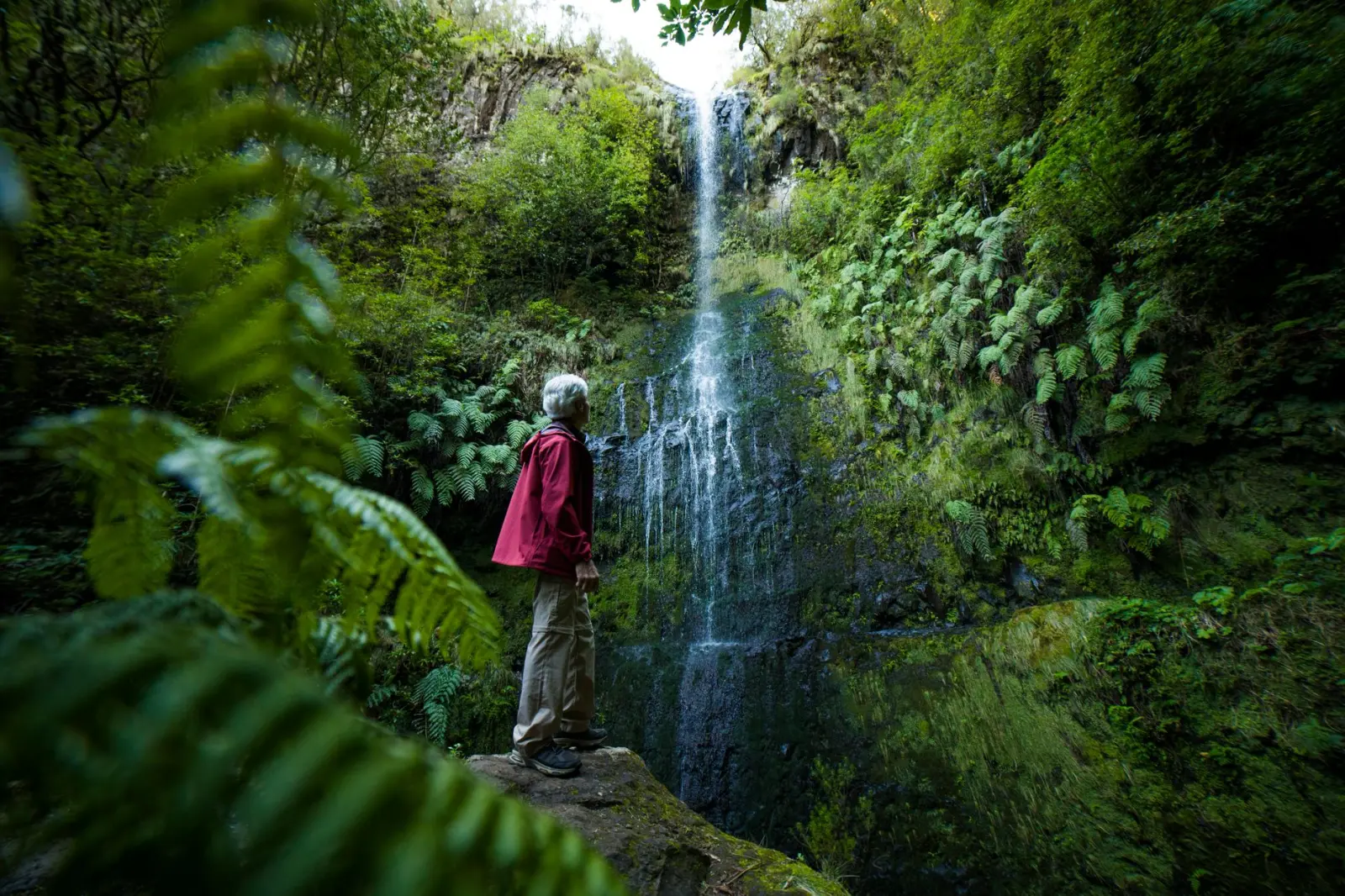
Milford Track in New Zealand’s Fiordland isn’t technically a rainforest in the tropical sense, but the temperate rainforest ecosystem functions similarly. The walk is famous for a reason – the trail is well-maintained, the scenery is relentless, and waterfalls appear throughout rather than being a single destination. Sutherland Falls is the signature moment, but the walk’s strength is that the entire experience is integrated. You’re not hiking to a waterfall; you’re hiking through a landscape where waterfalls are part of the narrative.
Practical Realities That Change Everything
Guides matter more than most people realize. A local guide doesn’t just keep you safe – they know which sections are passable, where water levels are manageable, and whether today is actually a good day to go. I’ve had guides turn back partway through a walk because they knew conditions were deteriorating, and I’ve been grateful every time. Tourist information centers often don’t have current ground-truth information. They have brochures and general advice. A guide who walks the trail regularly knows what actually happens.
Start early. This isn’t motivational advice – it’s practical. Most rainforest walks get significantly harder as the day progresses. Humidity builds, fatigue accumulates, and light begins failing by late afternoon. A walk that feels manageable at 7 AM can feel genuinely difficult by 3 PM. Starting early also means you’re more likely to encounter wildlife, the light is better for photography, and you’ll have time to move slowly without rushing.
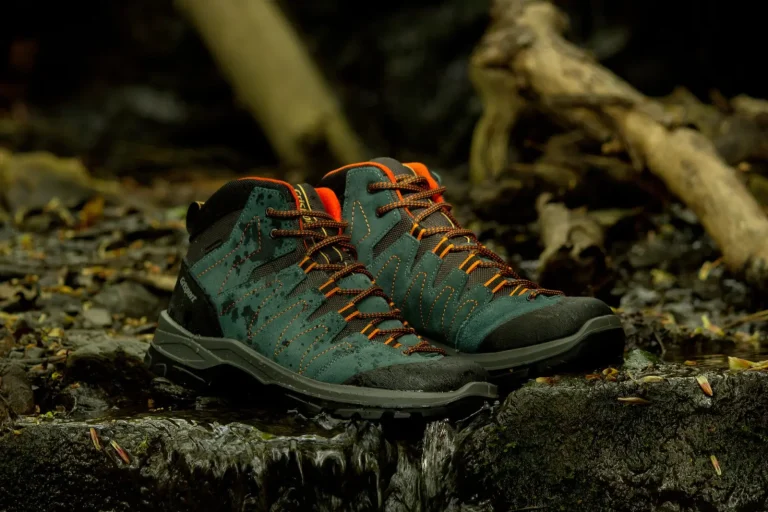
Footwear is worth getting right. Waterproof hiking boots work in some contexts, but in truly wet rainforests, they often become waterlogged and heavy. Trail runners or water-specific hiking shoes that drain quickly often work better. Your feet are going to get wet – accept this and choose gear that handles it well. Wet socks and blisters are the most common complaints I hear from people who showed up underprepared.
The best rainforest waterfall walks aren’t necessarily the most famous or the most remote. They’re the ones where the logistics align with the landscape, where the trail is maintained without being over-developed, and where the waterfall itself is integrated into a broader forest experience rather than being an isolated destination. Timing matters more than distance, local knowledge matters more than guidebooks, and the walk itself is often more memorable than the waterfall alone.