

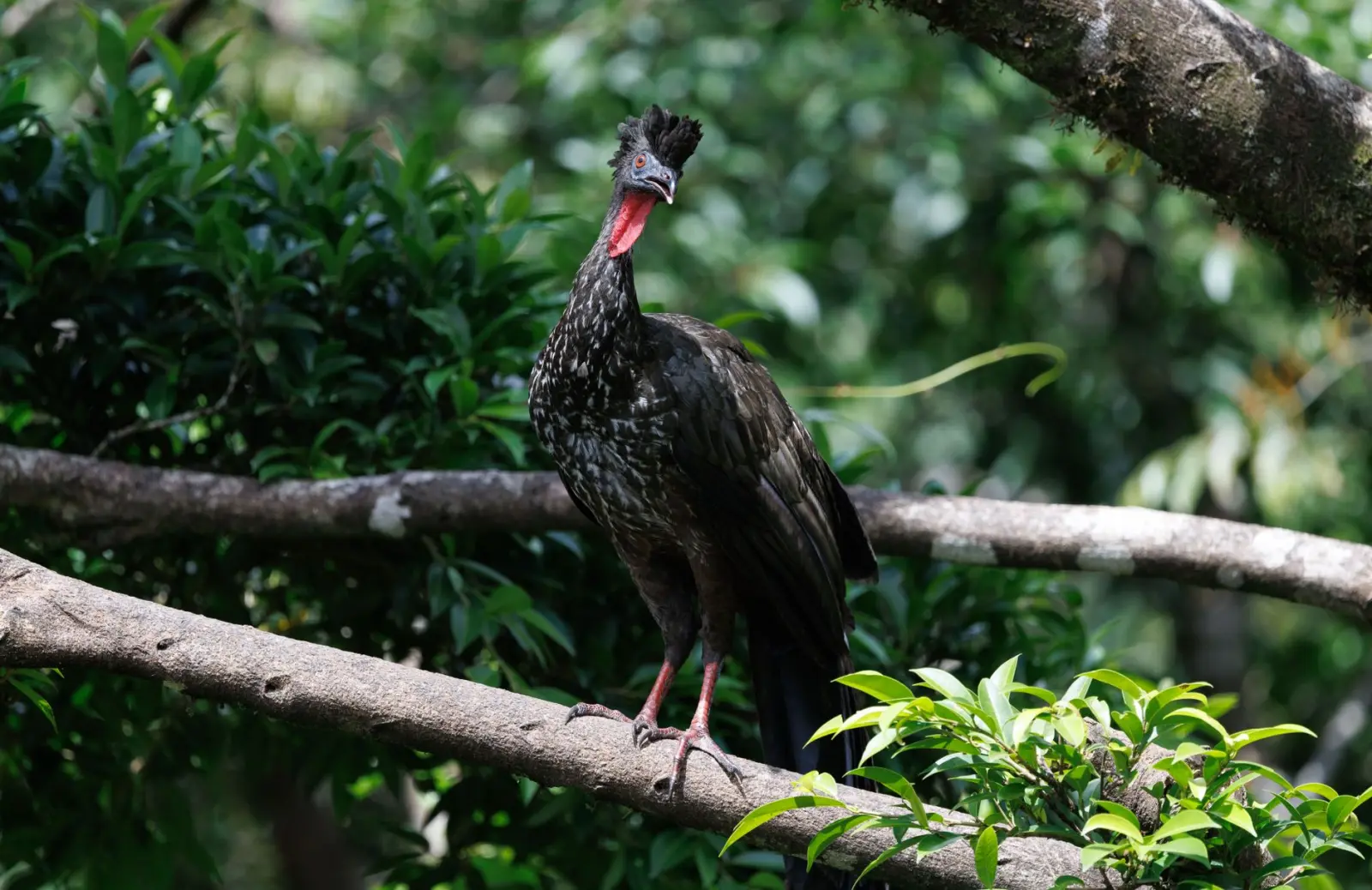
After spending years moving through rainforests across Southeast Asia, Central America, and Australia, I’ve learned that the difference between a crowded tourist walk and a genuinely quiet forest experience rarely comes down to location alone. It’s about understanding how rainforests actually function – when animals move, where they hide, and which trails absorb foot traffic like a sponge while others remain nearly empty.
The popular walks tend to fail for a simple reason: they’re designed around convenience. They start at visitor centers with parking, follow well-maintained paths, and loop back in two to three hours. Everyone arrives at the same time, moves at roughly the same pace, and leaves by mid-afternoon. What you see is the forest’s response to that disruption – birds silent, larger animals long gone, insects retreated. The experience feels empty precisely because it’s full of people.
Real solitude in rainforests requires accepting friction. You need to walk early, often before dawn. You need to move slowly and stop frequently. You need to be willing to take routes that don’t have obvious trailheads or that require a local guide who knows the forest’s actual rhythms, not just the paths tourists pay to walk.
The Problem With Timing and Crowd Patterns
Most rainforest visitors arrive mid-morning. Tour operators schedule this way because it suits accommodation checkout times and allows guides to handle multiple groups. By 10 a.m., a trail that was quiet at 6 a.m. becomes a conveyor belt. The forest knows this. Howler monkeys, which are vocal and visible in early morning, fall silent by mid-day. Toucans and macaws, which feed in canopy edges at dawn, retreat deeper into the forest. Smaller creatures – poison dart frogs, leaf-cutter ants, caiman – become invisible.
Walking at dawn isn’t romantic idealism. It’s basic ecology. The forest is noisiest and most active in the first two hours after sunrise. If you’re on a trail during this window and you’re one of the first people there, you experience the forest as it actually is. The trade-off is fatigue. You’re moving through dense vegetation in low light, navigating roots and water crossings while still half-asleep. Your legs will be sore. Your pace will be slow. But you’ll see animals. You’ll hear the forest.
Terrain and Trail Selection
The best rainforest walks I’ve found share a pattern: they’re harder to reach and harder to walk. This isn’t accidental. A trail that requires a river crossing, involves elevation gain, or lacks clear markers naturally filters out casual visitors. The people who walk these routes are committed. They arrive with proper footwear, they move deliberately, and they tend to be quiet.
In Costa Rica, the Osa Peninsula has trails that are technically accessible but rarely crowded because they’re muddy, poorly marked, and require either a local guide or significant navigation skill. The Corcovado National Park’s main trail gets foot traffic, but the interior routes that connect to it remain quiet. In Peru’s Tambopata region, the trails upriver from the lodges see far fewer visitors than the accessible sections near the main camp. In Australia, the rainforests of the Daintree have popular walks, but the longer, less-maintained routes that require river navigation see maybe a handful of people per week.
What matters is matching the trail’s difficulty to your actual fitness and skills. I’ve seen people attempt challenging rainforest walks unprepared, which leads to slow movement, noise, frustration, and ultimately, poor wildlife observation. The forest doesn’t reward rushing or struggling.
Working With Local Knowledge
The most productive rainforest walks I’ve done involved local guides who weren’t primarily interested in tourism. They were hunters, researchers, or people who simply lived in or near the forest. They knew where animals actually were at specific times, which trails were seasonal, and which areas were worth walking through quietly versus which were essentially dead zones.
This kind of knowledge is rarely available through standard tour booking. You find it by staying longer in a place, asking questions in local communities, or working with smaller operations that prioritize depth over volume. In the Amazon, communities that manage their own forest areas often offer walks that are genuinely different from the lodge-based tours. In Southeast Asia, guides who work with research projects or conservation groups tend to have different priorities than commercial tour guides.
The practical challenge is that this kind of access takes time and often requires some Spanish, Portuguese, or local language ability. It also means accepting that you might walk for hours and see very little – because that’s what actually happens in rainforests most of the time. The reward is that when you do encounter wildlife, you’re seeing natural behavior, not animals habituated to crowds.
Seasonal Patterns and Fruit Cycles
Rainforests aren’t uniform throughout the year. Fruiting cycles drive animal movement. When certain trees fruit, animals concentrate in specific areas. When those fruits are gone, the animals disperse. A trail that’s excellent for seeing macaws during one month might be empty the next.
Dry seasons also matter, though the effect varies by region. In some rainforests, the drier months concentrate animals around water sources, making them easier to find. In others, the dry season is when animals spread out most widely. Local guides understand these patterns. Tourist operators often don’t, which is why their recommendations can feel generic.
Planning a rainforest walk around these cycles requires research and flexibility. You need to know what’s fruiting, what animals are present, and what the recent weather has been. This information changes week to week, not just season to season.
The Reality of Solitude
Walking in rainforests away from crowds is genuinely quiet in a way that takes adjustment. There’s the ambient sound of insects and water, but human voices are absent. This can feel isolating if you’re used to social hiking. Some people find it meditative. Others find it unsettling. Both reactions are normal.
The solitude also means you’re responsible for your own safety. Navigation, water, first aid, and awareness of your surroundings become your responsibility. This isn’t dramatic – most rainforest walks are low-risk if you move carefully and pay attention. But it’s different from following a marked trail with a guide and a group.
The walks that deliver genuine solitude and good wildlife observation share a common thread: they require you to slow down, arrive early, and accept that the forest’s schedule isn’t built around human convenience. The payoff is seeing the rainforest as something other than a backdrop – as a functioning ecosystem where you’re a temporary observer, not the center of attention.



