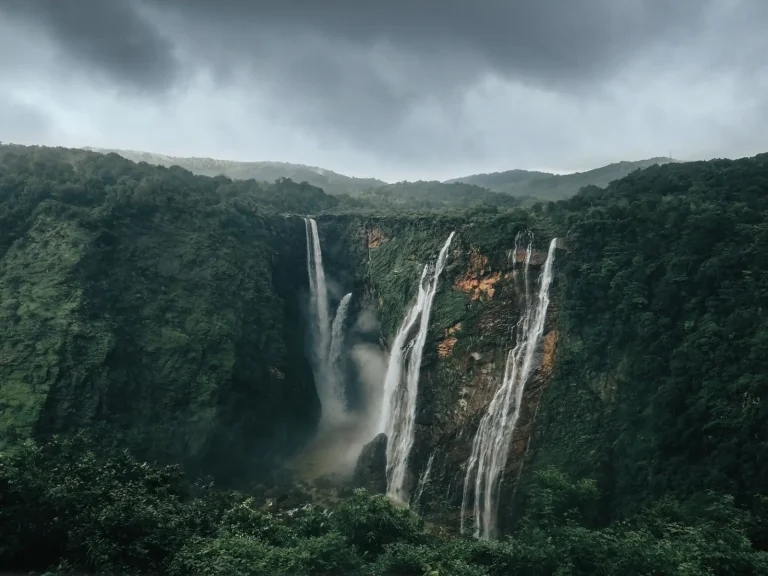

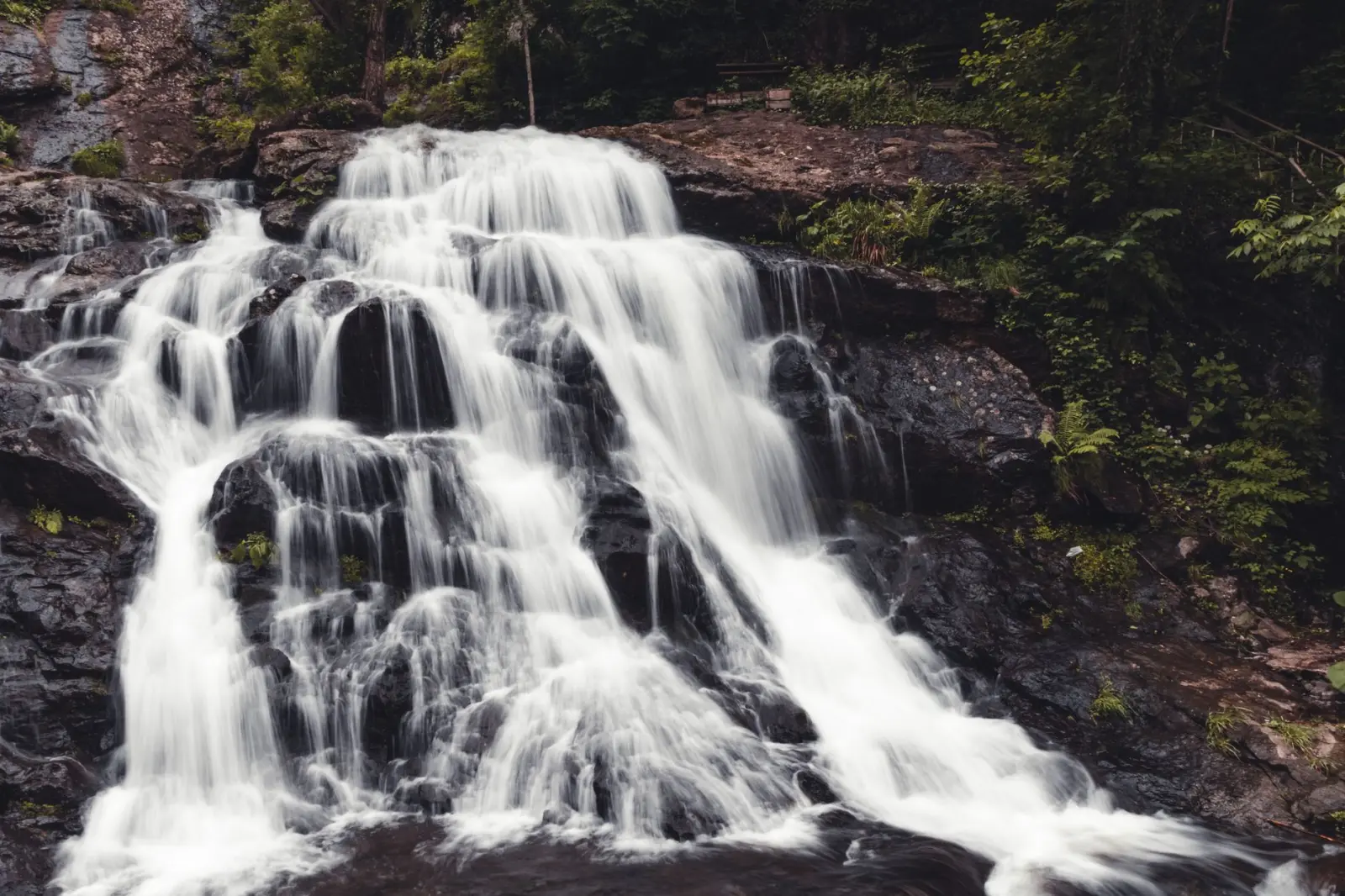
Watching a rainforest waterfall at full force is one of those experiences that justifies the effort of getting there. The difference between visiting during dry conditions and arriving after heavy rain is stark – not just visually, but in terms of what the landscape actually reveals. I’ve stood at the same waterfall during both conditions, and the contrast is almost disorienting. What was a modest cascade becomes a roaring torrent. The mist alone changes the entire character of the place.
The timing piece matters more than most people realize. Rain doesn’t produce an instant waterfall surge. There’s a lag. Water needs to travel through the catchment, down slopes, through tributary streams, and eventually into the main flow. Depending on the size of the drainage basin and the terrain’s slope, this can take anywhere from a few hours to a full day. A downpour that ends at dawn might not reach peak flow until late afternoon or even the next morning. This is why casual visitors often miss the best displays – they assume the waterfall will be impressive immediately after the rain stops, then move on when it’s still building.
The Physics of Post-Rain Flow
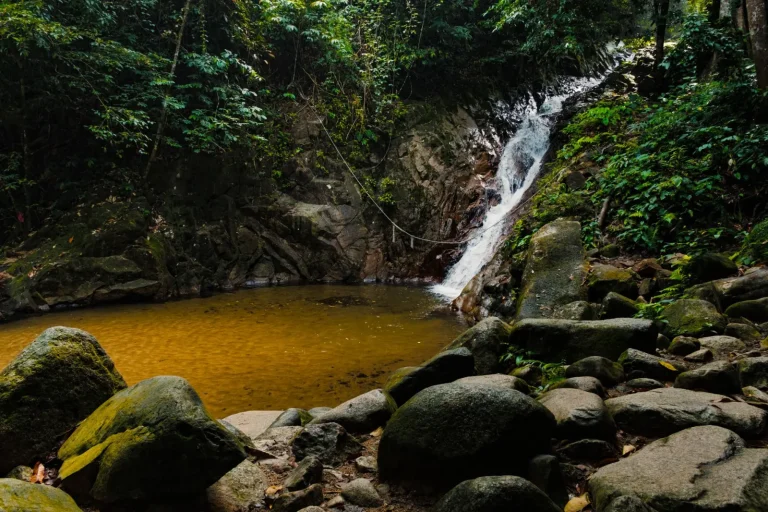
Rainforest watersheds are complex systems. Heavy rain saturates the soil, fills underground channels, and feeds dozens of small streams that converge upstream. The volume increase isn’t linear. A waterfall that normally carries a modest trickle can swell to ten or twenty times its usual discharge within hours. The water takes on a different color too – usually a pale brown or tan from suspended sediment and leaf matter being churned up from the forest floor. This discoloration is temporary but characteristic of the post-rain period.
What people often don’t anticipate is the noise. A waterfall at full flow produces a sound that fills the entire valley. Conversation becomes difficult. The mist spray extends much farther than during normal conditions, sometimes fifty meters or more from the base. Cameras fog up. Clothes get damp just from standing nearby. The ground becomes slick with spray and algae growth. These aren’t minor inconveniences – they define the actual experience of being there.
Where Peak Flow Matters Most
Not all waterfalls benefit equally from rain. A waterfall fed by a large, well-established river system might show only a modest increase in volume even after significant rainfall. The water is already moving at a substantial rate. But waterfalls fed by smaller streams or seasonal flows transform dramatically. I’ve visited waterfalls in Central America and Southeast Asia where the difference is transformative. A stream that was barely noticeable becomes genuinely impressive.
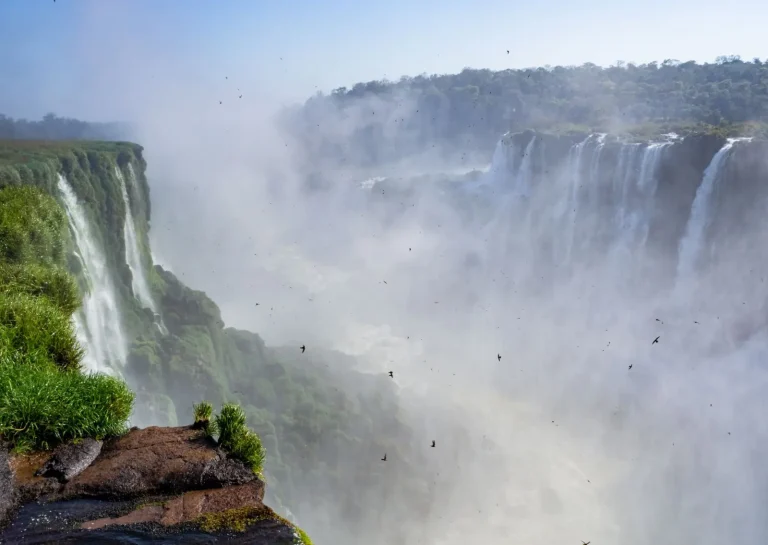
The Amazon basin, particularly around areas like the Iguazu Falls region, sees dramatic increases in flow during the rainy season. The Iguazu system is fed by multiple tributaries across a vast catchment, so rainfall anywhere in that basin eventually contributes to the falls. Peak flow typically occurs in June and July, months after the heaviest rains. This lag is important for planning. You can’t just show up during the rainy season and expect maximum water. The timing is offset.
Southeast Asian waterfalls, particularly in Thailand, Laos, and Cambodia, follow a similar pattern. The monsoon rains from May through October feed the waterfalls, but the highest flows often occur in August and September, sometimes even into October. The Khone Falls in Laos, one of the largest waterfalls in the world by volume, is genuinely impressive only during this window. Outside of it, the flow drops significantly.
Practical Realities of Timing
Weather forecasting in rainforests is imprecise. Local meteorological data is often limited, and microclimates create unpredictable variations. A heavy rain upstream might not be visible from where you’re standing. Conversely, you might experience light rain while heavy downpours occur ten kilometers away. This uncertainty makes planning difficult. The most reliable approach is to build flexibility into your itinerary. If you’re committed to seeing a specific waterfall at peak flow, you need a buffer of several days, not a single afternoon.
Access becomes more complicated after heavy rain. Trails become muddy and slippery. Stream crossings that are normally straightforward become treacherous. I’ve seen visitors underestimate this and end up turning back or, worse, slipping on wet rocks. The increased mist and spray also reduce visibility, making navigation harder. If you’re hiking to a waterfall after rain, move slowly and deliberately. Wet shoes and wet surfaces are a dangerous combination.
The best time to visit a post-rain waterfall is typically the day after heavy rainfall, once water levels have peaked but before the flow starts declining. This gives you the full display without the immediate chaos of the rain event itself. The ground has had time to drain slightly, the mist has settled somewhat, and you can actually see what you’re looking at. Early morning visits are preferable because the light is better and crowds are lighter.
Notable Rainforest Waterfall Locations
Iguazu Falls, straddling Argentina and Brazil, is perhaps the most famous rainforest waterfall system. The Argentine side offers closer views of individual cascades, while the Brazilian side provides the panoramic perspective. Both are worth visiting, but the experience is entirely different. Flow rates peak in June and July, and during these months, the volume is genuinely overwhelming. The spray zone extends hundreds of meters. Even standing at designated viewpoints, you get soaked.
Kaieteur Falls in Guyana is less visited but equally dramatic. It’s a single massive drop in the Potaro River, and the surrounding rainforest is pristine. Access requires a flight from Georgetown, which limits casual visits. The rainy season runs from May to August and December to January. During these periods, the falls are at their most powerful. The remoteness means fewer tourists, but also fewer facilities and less developed infrastructure for handling wet conditions.
In Southeast Asia, the Khone Falls system in southern Laos is worth the effort. It’s actually a series of falls and rapids rather than a single waterfall, and during peak monsoon flow, it becomes a chaotic, powerful system. The Mekong River’s volume increases dramatically, and the entire landscape transforms. The local Khone Island communities are adapted to this seasonal variation, and visiting during high water offers insight into how people live with these natural cycles.
Haew Suwat Falls in Thailand’s Khao Yai National Park is more accessible than remote jungle falls, but it still demonstrates the dramatic difference rain makes. During the dry season, it’s a modest cascade. During the monsoon, it becomes genuinely impressive. The park infrastructure remains functional year-round, making it a reasonable option if you want to experience post-rain conditions without extreme logistical challenges.
What to Actually Expect
The reality of visiting a rainforest waterfall after heavy rain is more austere than photographs suggest. You will be wet. Your gear will get wet. Visibility will be compromised by mist. The noise will be disorienting. The ground will be treacherous. But the raw power of the water, the sheer volume moving through the landscape, conveys something that calm conditions cannot. It’s a reminder of the forces that shape rainforest topography and the scale of water movement in these systems.
Bring appropriate gear. Waterproof bags for electronics. Shoes with good traction. A light rain jacket that you don’t mind getting soaked. Dry clothes to change into afterward. A headlamp if you’re hiking in low light or mist. These aren’t optional. They’re the difference between a manageable experience and a frustrating one.
The best visits I’ve had to rainforest waterfalls have been the ones where I arrived with realistic expectations and genuine patience. Not rushing to the viewpoint, not trying to capture the perfect photograph, but simply spending time in the presence of that much moving water. The experience is worth the planning and the discomfort.