

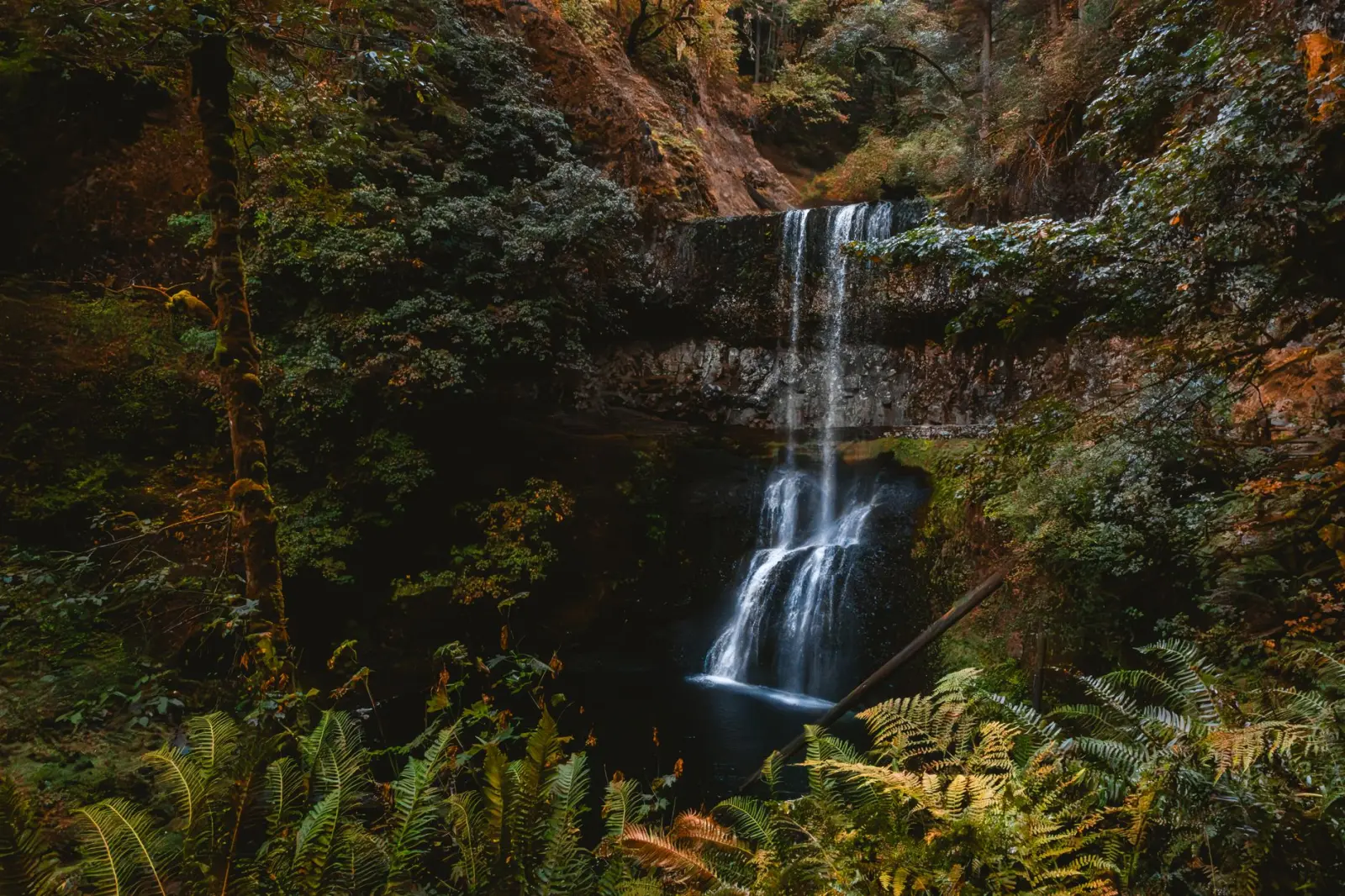
After years of moving through rainforest regions across Central America, Southeast Asia, and northern Australia, I’ve developed a fairly clear sense of which waterfall walks deliver something real and which ones exist mainly on Instagram. The difference rarely comes down to the waterfall itself. Most rainforest waterfalls are visually similar at first glance – a drop of water through green canopy, mist rising, sound echoing off stone. What separates a genuinely rewarding walk from a mediocre one involves terrain difficulty, crowd management, water conditions, and whether the surrounding forest actually feels alive or just looks like it.
The most common mistake people make is treating waterfall hikes as destination-focused activities. They see a photo of a cascade, book transport, arrive at the trailhead, and expect the experience to match the image. In reality, rainforest walks are about what happens during the three to six hours you’re moving through the forest. The waterfall is often just the punctuation mark at the end of a longer sentence.
Water Flow and Season Timing
Dry season waterfalls in tropical regions can be underwhelming. I’ve arrived at supposedly spectacular cascades during low-water months to find them reduced to thin threads trickling over moss-covered rock. The volume matters enormously. A waterfall that looks dramatic in satellite imagery might be a trickle in person if you arrive during the wrong time of year.
The challenge is that peak water flow doesn’t always align with the most comfortable hiking weather. In many rainforest destinations, the heaviest rainfall occurs during what locals call the wet season, which is also when trails become slippery, leeches are most active, and afternoon storms can turn creeks into temporary torrents. I’ve found that the shoulder seasons – early wet or late wet – often provide the best compromise: enough water to make the waterfall visually interesting, but not so much that the trail becomes genuinely hazardous.
Water temperature is another practical consideration that rarely gets mentioned. Rainforest waterfalls fed by high-altitude sources stay cold year-round. Swimming in them can be refreshing or shocking depending on your tolerance and acclimatization. Some people find the cold invigorating; others find it takes their breath away and makes the experience unpleasant rather than enjoyable.
Terrain and Physical Demand
Not all rainforest waterfall walks are created equal in terms of difficulty. Some involve straightforward forest paths on relatively level ground. Others require scrambling over boulders, wading through waist-deep water, or climbing steep muddy sections that demand real balance and leg strength. The grade of difficulty affects not just whether you can complete the walk, but how much energy you have left to actually enjoy the destination.
I’ve noticed that the most rewarding walks often involve some element of physical engagement – not extreme, but enough that you feel you’ve earned the experience. A flat, easy trail to a waterfall can feel anticlimactic. A walk that requires careful footing, some river crossings, and maybe a short scramble tends to create a stronger memory and a greater sense of accomplishment.
Mud is the hidden variable here. After rain, rainforest trails become slick, and what’s normally a one-hour walk can take twice as long. Proper footwear makes a genuine difference. I’ve seen people arrive in trail runners or sandals and spend half the walk concentrating on not slipping rather than taking in their surroundings. Hiking boots with good grip aren’t glamorous, but they change the experience substantially.
Crowd Density and Timing Strategy
Popular waterfall destinations now attract significant foot traffic, especially those within a few hours of major towns or tourist hubs. Early morning departures – leaving before sunrise if necessary – genuinely improve the experience. I’ve hiked the same trail at 6 a.m. and at 11 a.m. and encountered completely different environments. The early walk felt like moving through a living forest. The late walk felt like following a stream of other people to a scenic viewing platform.
Some destinations have implemented visitor limits or timed entry systems, which actually improves the quality of the experience for everyone. If you’re planning a walk at a popular site, checking whether permits or time-slot reservations are required is worth doing before you arrive.
Forest Condition and Wildlife
The quality of the forest itself varies significantly. Some rainforest waterfall walks pass through primary or old-growth forest with canopy cover, diverse bird life, and a genuine sense of wilderness. Others cut through degraded secondary forest, cleared areas, or plantations that have been allowed to regrow. The difference is immediately apparent once you’re in it. Primary forest feels different – quieter in some ways, more alive in others, with a complexity to the vegetation and wildlife activity that secondary forest simply lacks.
I’ve learned to ask locals about what animals are actually present and active during different seasons. Seeing wildlife isn’t guaranteed, but understanding when certain species are most active helps set realistic expectations. Howler monkeys, for instance, are most vocal in early morning. If you want to hear them, you need to be on the trail at dawn.
Insect activity also varies by season and time of day. Leeches are a genuine consideration in wet rainforests, particularly during or just after rain. They’re not dangerous, but they’re uncomfortable and can be psychologically off-putting if you’re not prepared for them. Salt or insect repellent helps, but acceptance is the real solution. Some rainforest walks come with leeches attached; it’s part of the experience.
Notable Walks Worth the Effort
The Ekom Waterfall trail in Cameroon involves a moderate walk through intact rainforest with a genuinely impressive cascade at the end. The trail isn’t overcrowded, the water flow is substantial even in drier months, and the surrounding forest feels ecologically intact. The walk takes about three hours round trip and involves some scrambling but nothing technical.
In Costa Rica, the Nauyaca Waterfall walk near Ojochal offers a longer option with multiple cascades and pools. It’s more demanding than many waterfall hikes, involving river crossings and some elevation change, but the forest quality is high and the crowds are manageable if you go early. The walk typically takes four to five hours.
The Khao Yai waterfall walks in Thailand vary in difficulty and crowd levels depending on which trail you choose. Haew Suwat is easily accessible but crowded. The Khao Khiao trail involves more forest and fewer people, though it’s also less clearly marked.
In Australia, the Minyon Falls walk in northern New South Wales is a genuine multi-hour trek through subtropical rainforest with a rewarding cascade in a remote setting. It’s not a casual walk, but the forest quality and sense of isolation make it memorable.
The practical reality of rainforest waterfall walks is that they’re as much about forest immersion as waterfall viewing. The best experiences tend to come from walks that demand some physical engagement, maintain reasonable solitude, and pass through ecologically intact forest. The waterfall itself is often secondary to the quality of the walk around it.



