
Victoria’s temperate rainforests occupy a narrow band along the state’s western and southwestern edges, and they feel fundamentally different from the dry eucalypt woodlands that dominate most of the interior. After spending considerable time moving through these forests – in wet seasons and dry, on established tracks and off them – I’ve come to understand why they’re often overlooked by travelers who assume Australian rainforests only exist in tropical Queensland. The reality is more nuanced and, in many ways, more rewarding for those willing to navigate their particular demands.
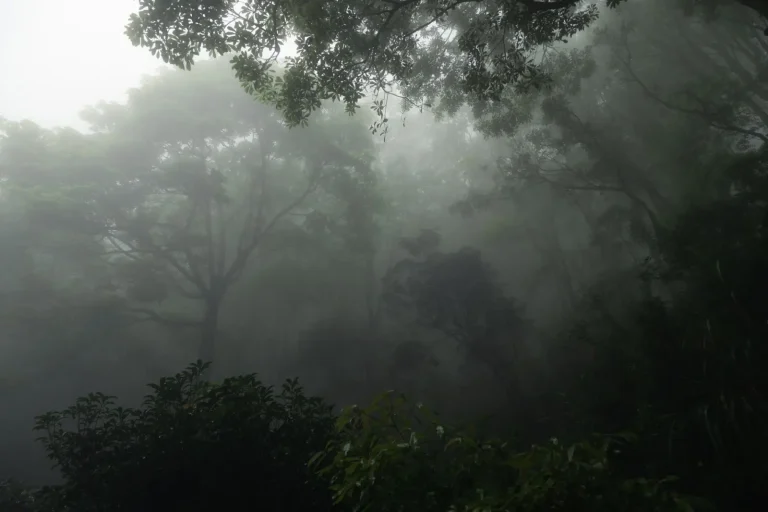
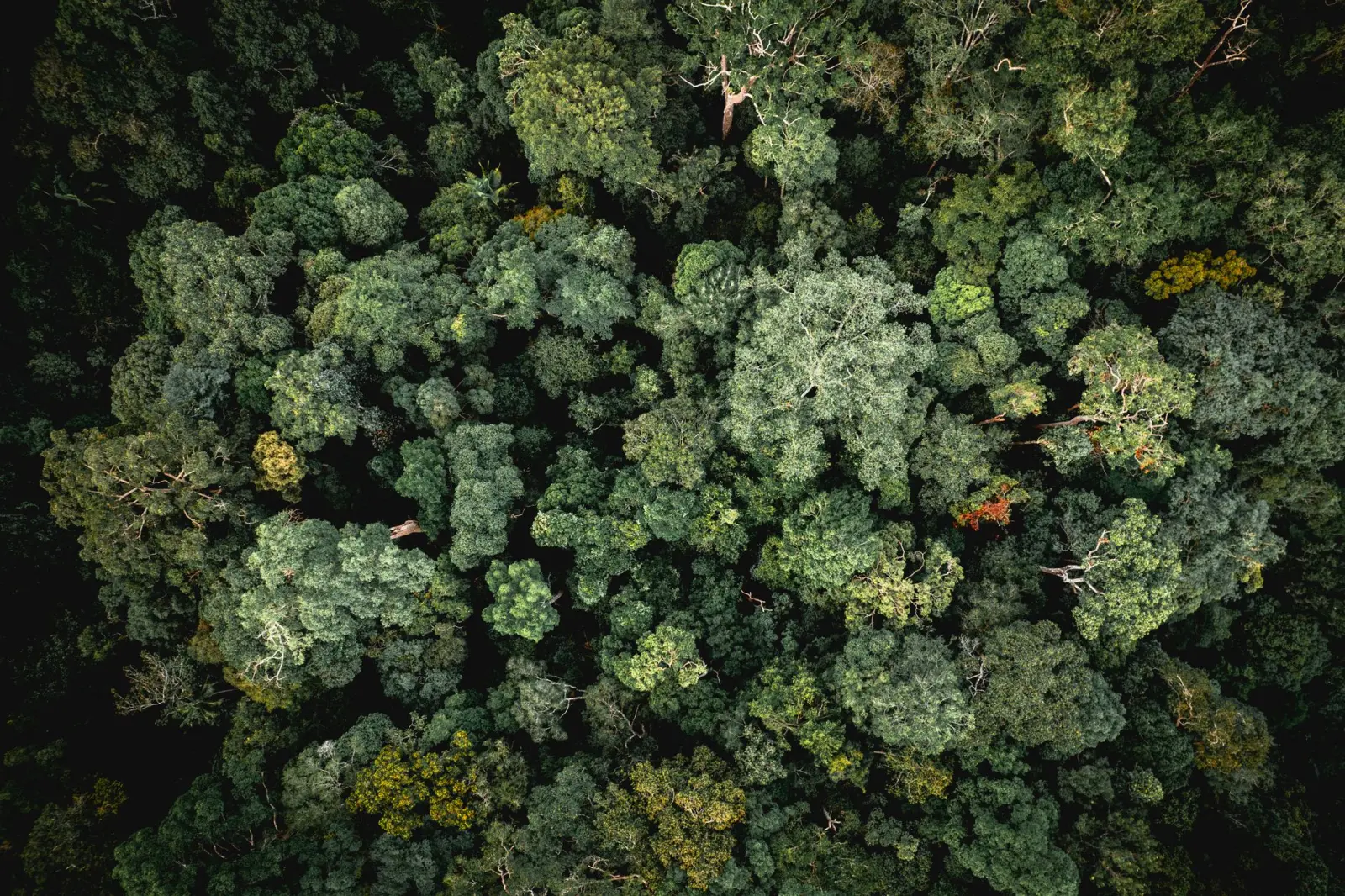
The first thing that strikes you when you enter one of these forests is the density and layering. Unlike the open, park-like character of many Australian bushland areas, temperate rainforests here are structured in distinct vertical zones. The canopy is thick and unbroken in most places, which means the forest floor sits in permanent shade. The understory – that middle layer of smaller trees and shrubs – is dense enough that you often can’t see more than twenty or thirty meters ahead. Ferns dominate the ground layer, particularly tree ferns, which can grow quite tall and create an almost prehistoric atmosphere. This isn’t accidental; it’s the direct result of consistent rainfall and cooler temperatures that favor moisture-loving species.
Where These Forests Actually Exist
The main temperate rainforests in Victoria are concentrated in a few key regions. The Otway Ranges, which run inland from the coast near Colac, contain some of the most accessible examples. The Dandenong Ranges, closer to Melbourne, also support temperate rainforest pockets, though these are smaller and more fragmented. Further west, around the Grampians and into the South West region near the South Australian border, you find additional patches. What’s important to understand is that these aren’t vast, unbroken tracts like you might find in Tasmania or New Zealand. They’re interspersed with other forest types, grasslands, and cleared areas. This fragmentation has real implications for how you plan a visit.
Access to these forests varies considerably. Some areas have well-maintained walking tracks with clear signage and regular maintenance. Others require more navigation skill and physical fitness. The Otways, for instance, have several popular day-walk options like the Beauchamp Falls circuit or the walk to Triplet Falls, where you can experience genuine rainforest conditions without needing to commit to a full wilderness expedition. The Dandenongs offer similar accessibility through places like Sherbrooke Falls and the various fern gullies. But if you venture into less-visited sections, you’ll quickly discover that track maintenance drops off sharply, and navigation becomes a real consideration.
The Physical Reality of Moving Through Them
Walking through temperate rainforest is physically different from walking through open bushland. The ground is almost always uneven, often soft with accumulated leaf litter and moss. Roots are exposed and widespread, creating natural obstacles. After rain – which is frequent in these areas – the ground becomes slippery, and what might be a straightforward walk in dry conditions becomes genuinely hazardous. I’ve seen experienced hikers lose their footing on what appeared to be solid ground but was actually moss-covered rock or a concealed root. Footwear matters more here than in many other Australian environments. Good grip and ankle support are practical necessities, not luxuries.
The moisture level in these forests is persistently high, even on days when it hasn’t rained recently. The dense canopy and thick vegetation trap moisture, creating a humid microclimate. This means that even if the weather forecast looks clear, you’ll often find yourself in conditions that feel damper than you’d expect. Clothing that dries quickly becomes genuinely useful rather than merely convenient. Cotton absorbs moisture and dries slowly, which matters when you’re spending hours in a cool, damp environment.
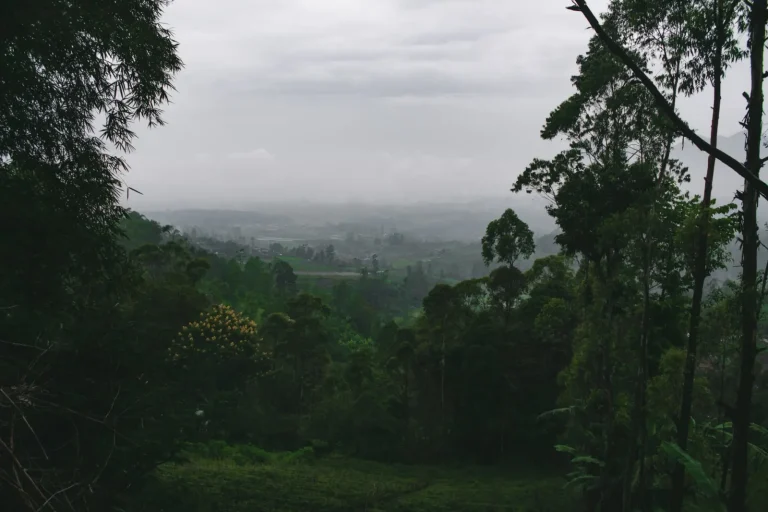
Visibility is another practical consideration. The dense understory means that views and vistas – things that characterize many Australian walks – are largely absent. You’re moving through a green tunnel most of the time. Some people find this immersive and peaceful; others find it claustrophobic. There’s no right answer, but it’s worth knowing what to expect before you commit to a longer walk.
Seasonal Patterns and Timing
These forests respond to seasonal change, but not always in the ways visitors from other climates might expect. Spring (September to November) brings increased water flow in streams and waterfalls, which makes for dramatic walking experiences. Summer (December to February) is drier, though “drier” is relative – rainfall still occurs regularly. Autumn (March to May) is often considered the best season by people who know these forests well. The weather is cooler, the light is softer, and the fern growth is lush without being at its absolute peak. Winter (June to August) brings the heaviest rainfall and the lowest temperatures. Walking is still possible, but conditions underfoot deteriorate significantly, and daylight hours are shorter, which constrains how far you can reasonably venture.
The timing of your walk within a single day matters more than in drier environments. Because the canopy is so dense, the forest remains dim throughout daylight hours. This isn’t a place where you get long golden-hour photography opportunities. It also means that if you start late in the afternoon, you’ll find yourself in near-darkness well before sunset. I’ve encountered several groups who misjudged this and found themselves navigating increasingly poor light conditions on uneven, root-strewn ground – a situation that escalates from uncomfortable to genuinely risky quite quickly.
Flora and Fauna Encounters
The plant life in these forests is distinctive. Myrtle beech, mountain ash, and various species of tree ferns form the dominant structure. Sassafras is common in some areas, recognizable by its distinctive leaves and aromatic wood. Ground-level plants include various ferns, mosses, and small flowering plants that have adapted to low-light conditions. Many of these species are found nowhere else in Australia, which is why these forests have significant conservation value. You won’t see the dramatic wildflower displays that characterize other Australian regions, but the botanical interest is substantial if you take time to look closely.
Wildlife is present but often unobtrusive. Lyrebirds are common in some areas and their calls – which include remarkably accurate mimicry of other bird species – are often the most memorable auditory experience. Various small marsupials inhabit these forests, though you’re unlikely to see them unless you’re moving very quietly and slowly. Invertebrate life is abundant, particularly after rain. Leeches can be present in wetter sections during warmer months, which is worth knowing if you’re planning to walk in those conditions. They’re not dangerous, but encountering them unexpectedly can be unsettling if you’re not prepared.
Practical Logistics for Visiting
Most of Victoria’s temperate rainforests are accessible as day trips from major population centers. The Otways are roughly two hours from Melbourne; the Dandenongs are less than an hour. This accessibility is both a benefit and a constraint. It means you can experience genuine rainforest without needing to commit to overnight wilderness camping. It also means that popular areas can become crowded, particularly on weekends and during school holidays. If solitude is important to you, timing your visit outside peak periods and choosing less-famous walks makes a real difference.
Parking and facilities vary. Some areas have dedicated visitor centers with parking, toilets, and information. Others have minimal infrastructure. It’s worth checking conditions before you go, particularly after heavy rain, as some access roads can become problematic. Mobile phone reception is unreliable in many sections, so don’t assume you can call for help if something goes wrong. This isn’t meant to discourage visits, but rather to encourage realistic planning.
These forests reward patient observation and realistic expectations. They’re not dramatic in the way that alpine peaks or coastal cliffs are dramatic. Their appeal is more subtle – the complexity of the ecosystem, the sense of being in a genuinely different environment, the particular quality of light filtered through multiple layers of vegetation. Understanding what you’re actually walking into, rather than what you imagine from photographs or brochures, makes for a more satisfying experience and, practically speaking, a safer one.