
Summer rainforest travel sits in an awkward middle ground. It’s not the worst time to go – that distinction belongs to the height of wet season in most places – but it’s far from ideal. After spending multiple seasons in major rainforest regions during summer months, I’ve learned that success here depends less on which destination you choose and more on understanding what summer actually means in each location and what your body can realistically handle.
The fundamental issue is that “summer” doesn’t translate uniformly across rainforests. The Amazon’s summer (June through August in the Northern Hemisphere) corresponds to its dry season, which is genuinely the better window. Southeast Asian rainforests, by contrast, experience their peak monsoon during those same months. Central American rainforests sit somewhere in between, with intermittent heavy afternoon rains. This timing mismatch catches most travelers off guard. They assume summer means consistent weather everywhere, then arrive to find themselves either in genuine dry conditions or in the thick of a deluge.
The Amazon During Northern Summer
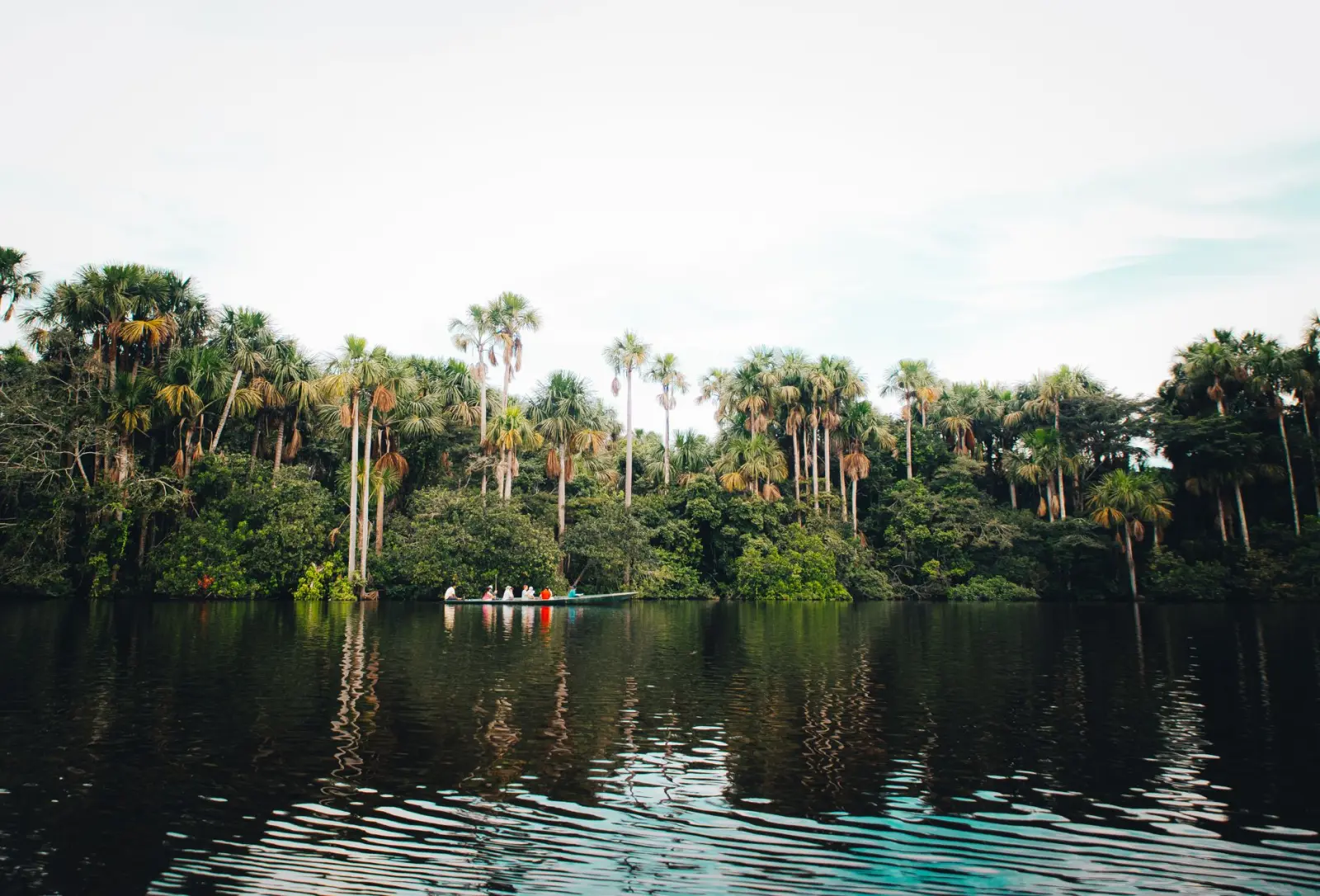
If you’re considering the Amazon basin – Peru, Brazil, or Ecuador – summer actually works in your favor, though “works” is relative. The water levels drop enough that riverboat travel becomes more practical and wildlife concentrates around remaining water sources, making sightings more frequent. The air is still humid, but the constant rain that defines wet season doesn’t materialize every afternoon.
The catch is accessibility and comfort. Lodges operate normally, but the humidity combined with heat creates a physical fatigue that’s difficult to underestimate. I’ve watched experienced travelers underestimate this and find themselves too exhausted by day three to do much beyond sitting in their room with the air conditioning running. The jungle doesn’t feel oppressive in the way people expect – it’s not claustrophobic or threatening. It’s just relentlessly draining. Your clothes stay damp. Your skin never fully dries. Sleep comes harder because your body temperature doesn’t drop enough at night.
Insect activity increases during this period, though not dramatically. Mosquitoes are present year-round in the Amazon, but summer sees more biting flies and wasps. Malaria and dengue risk exists but is often overstated in travel writing. The real issue is the constant minor irritations – small bites, itching, the need to be vigilant about checking yourself for ticks and leeches. It’s manageable but requires mental energy most people haven’t budgeted for.
Southeast Asian Rainforests: The Monsoon Reality
Thailand, Malaysia, and Indonesia experience their worst conditions during Northern Hemisphere summer. The monsoon isn’t a gentle rain – it’s hours of heavy downpour that makes hiking difficult and visibility poor. I’ve been on jungle treks where the rain was so intense that the canopy barely slowed it down, and everyone was soaked within minutes despite supposedly waterproof gear.
This doesn’t make these destinations impossible, but it does change what you can actually do. Canopy walks and elevated trails remain accessible. Boat tours continue, though the water is rougher. Wildlife viewing suffers because animals shelter during the heaviest rainfall. The forest itself is lush and dramatic, but you’re experiencing it through a curtain of water and mist. Photography becomes frustrating. Your camera lens fogs constantly. Colors are muted.
The advantage – and this matters if you have flexibility – is that these regions are dramatically less crowded. Prices drop. You can book treks and tours the day before without advance planning. The tourist infrastructure, while still present, feels less overwhelming. If your goal is solitude and you can tolerate wet conditions, this trade-off has real value. But it requires honest self-assessment about whether you actually enjoy hiking in sustained heavy rain.
Central America: The Afternoon Pattern
Costa Rica and Panama experience a different rhythm. Summer brings the rainy season, but it typically manifests as intense afternoon and evening downpours with mornings that are often clear. This pattern is genuinely workable if you structure your days accordingly. Early morning hikes are viable. Afternoon activities need to be indoor or covered – canopy tours, guided museum visits, or simply resting at your lodge.
The advantage here is that you can actually accomplish things. The disadvantage is the psychological adjustment required. You’re constantly watching the sky. You plan around weather windows. By mid-afternoon, everyone is back indoors. The social rhythm of travel changes. Evening activities are limited because visibility drops and rain intensifies.
Wildlife viewing in Central America during summer is actually quite good because the forest is active and food sources are abundant. Birds are vocal. Mammals move more. The rain brings out insects and amphibians. If you’re patient and willing to sit quietly during morning hours, you’ll see more than you might expect.
Physical Preparation and Realistic Expectations
The most underestimated aspect of summer rainforest travel is the physical toll of heat and humidity combined. This isn’t about fitness level – I’ve seen elite athletes struggle more than casual hikers because they push harder and overheat faster. Acclimatization takes three to five days minimum. Your heart rate stays elevated even at rest. Digestion is affected. Sleep quality drops.
Hydration becomes obsessive because you sweat constantly but don’t feel it evaporating. Electrolyte imbalance is real and happens faster than most people realize. I’ve seen travelers develop headaches and fatigue by day two because they were drinking water but not replacing salt. This isn’t dramatic or dangerous if you’re aware of it, but it’s a constant management task.
Clothing choices matter more than most guides acknowledge. Cotton holds moisture and creates chafing. Quick-dry synthetic materials are essential. Loose fit is better than tight. Light colors help but show dirt and stains constantly. Footwear needs to handle wet conditions without becoming a breeding ground for fungal infections – this means changing socks frequently and letting boots dry completely, which is nearly impossible in high humidity.
When Summer Rainforest Travel Makes Sense
If you’re flexible with timing, avoiding summer is the obvious choice. But circumstances sometimes require it. Budget constraints, vacation schedules, or specific research needs might force the issue. In those cases, the Amazon during its dry season (June-August) is genuinely the best option among rainforests. The conditions are most manageable, and wildlife viewing is strong.
If Southeast Asia is your only option, accept that you’re trading comfort for solitude and lower prices. Go with realistic expectations about what you’ll see and do. Build in rest days. Don’t overpack your itinerary. A single well-executed jungle trek in good conditions beats three rushed treks in rain where you’re miserable and exhausted.
Central America works if you’re willing to structure your days around afternoon rain. The morning hours are genuinely pleasant, and you can accomplish meaningful activities. This region also offers the most alternative activities – ziplines, cultural sites, coffee plantations – so you’re not entirely dependent on hiking and wildlife viewing.
The underlying reality is that rainforests in summer are manageable but require acceptance of discomfort as part of the experience. You’re not going to feel fresh and energized. You’re going to feel damp, tired, and slightly itchy most of the time. The forest itself is extraordinary, but the experience of being in it during peak heat and humidity is fundamentally different from visiting during drier months. That’s not a judgment – it’s simply the condition you’re accepting when you book those flights.