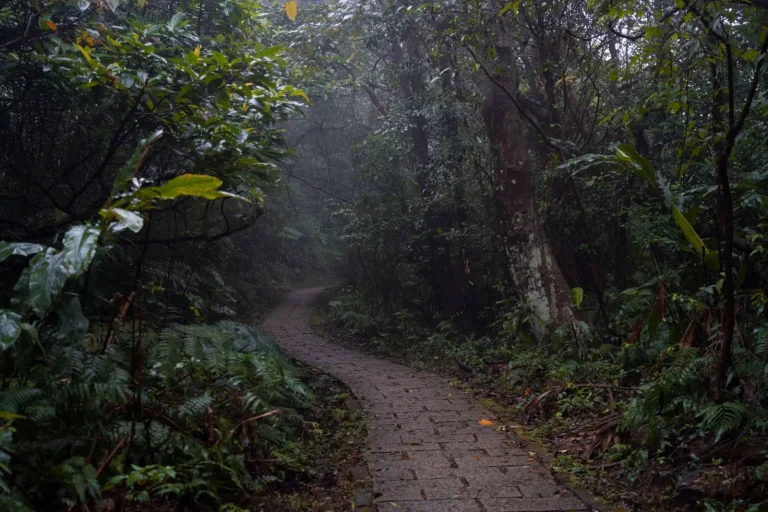

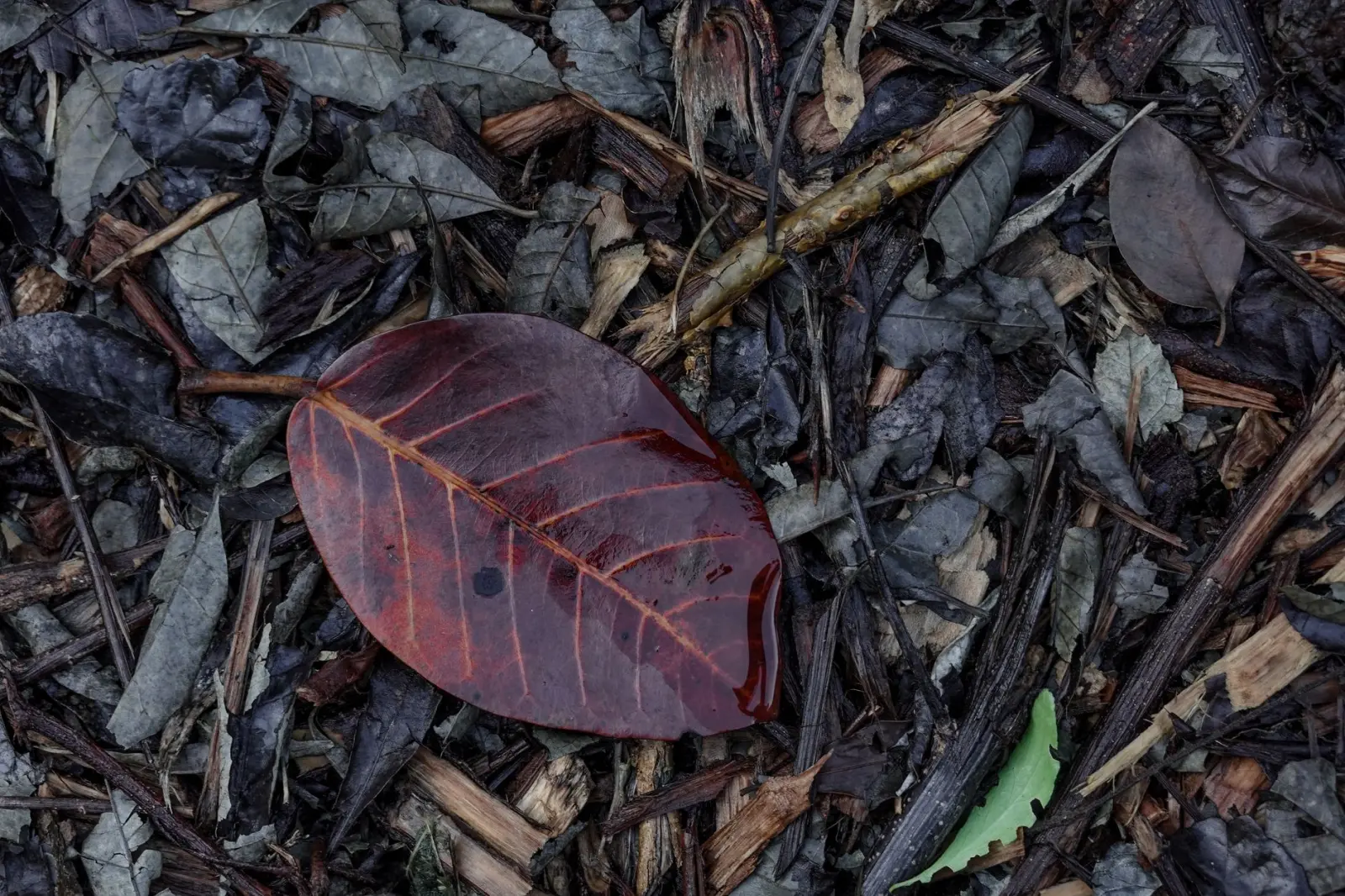
The forest floor on Mount Tamborine changes entirely after rain. I’ve walked these trails dozens of times in different seasons, and there’s a marked difference between the dry, relatively predictable conditions and what emerges once water moves through the canopy and into the soil. The first thing you notice is how the ground absorbs light differently. Wet leaf litter and moss take on a deeper color, almost black in places, and the whole forest floor becomes visibly saturated. What was firm and relatively quick underfoot becomes soft, sometimes spongy, and occasionally treacherous depending on the slope and soil composition.
The immediate challenge is footing. Tamborine’s trails wind through areas with steep sections, and after rain, the packed earth becomes slick. Roots that normally provide grip become slippery obstacles rather than helpful handholds. I’ve learned to move slower and place each step deliberately, testing weight before committing fully. The moisture also brings out the smell of decomposing matter – not unpleasant, but a clear signal that the ecosystem is actively breaking down organic material. Ferns unfurl more visibly, and the air feels heavier, almost thick with humidity even if the rain has stopped.
Visibility and Navigation Shifts
Rain doesn’t just affect the ground. The canopy, even after the rain has passed, continues to drip for hours. On Tamborine, where the forest is dense and the understory is thick, this means the light is dimmer than usual. Shadows are deeper. Trail markers become harder to spot, not because they’ve moved but because the contrast is reduced. I’ve noticed that people often underestimate how much visibility changes. A trail that feels obvious on a clear day can become genuinely confusing when the light is muted and everything is wet. The moisture also affects how far you can see ahead – the forest feels more enclosed, more intimate, but also more disorienting if you’re not paying attention to the path itself.
Navigation by landmarks becomes less reliable. Wet conditions make it harder to judge distance and perspective. A turn that seemed obvious on the way in can feel ambiguous on the return. I always mark mental checkpoints – a distinctive tree, a particular rock formation, the sound of water – rather than relying on memory of the overall route. The forest after rain rewards deliberate, attentive movement rather than the kind of autopilot walking you might do on a dry day.
What the Wet Brings Out
Wildlife activity increases noticeably. Insects become more active, and the moisture draws them up from deeper layers. Spiders are more visible, their webs heavy with water droplets and easier to spot, though you’ll still walk through some. Leeches are a genuine concern on Tamborine after rain, particularly in the lower, damper sections. They don’t swarm, but they’re present. I’ve found them on my legs and boots more than once. Removing them requires patience and a bit of salt if you have it, or simply waiting for them to release once they’re no longer in contact with skin. It’s not dangerous, but it’s worth knowing about before you start.
Bird activity shifts too. Some species are more vocal, and the overall soundscape changes. Water dripping from leaves creates a constant background noise that masks some sounds but makes others – like a bird call or distant movement – stand out more clearly. I’ve noticed that the forest feels more alive after rain, but in a different way than on a clear day. It’s less about seeing and more about listening and sensing.
Practical Wear and Durability
Footwear matters significantly. Regular hiking boots work, but they absorb water and take time to dry. I’ve learned to use trail shoes with good drainage and quick-dry properties when I know I’ll be walking after rain. Socks become irrelevant – your feet will be wet regardless. The key is having footwear that won’t stay waterlogged and cause blisters. Gaiters help keep debris out of your boots, though on Tamborine, where the undergrowth is relatively managed on the main trails, they’re not essential.
Clothing choices shift too. Moisture-wicking layers are more important than on dry days because you’re dealing with ambient humidity as much as direct water contact. Cotton absorbs and holds moisture, which becomes uncomfortable quickly. I wear synthetic or merino layers, and I keep a light pack because wet fabric weighs more and clings in ways that restrict movement. The temperature rarely drops dramatically on Tamborine, even after rain, but the humidity makes it feel cooler than it is.
Timing and Fatigue Patterns
Walking through wet forest is more tiring than walking the same distance on dry ground. Your legs work harder because the ground is less stable, and you’re moving more carefully. The mental effort of constant attention to footing adds fatigue that doesn’t show up as obviously as physical tiredness. I’ve noticed that people often underestimate how much energy they’re expending in these conditions. A walk that might take 90 minutes on a dry day can easily stretch to two hours or more if the trail is steep and thoroughly saturated.
The best time to walk after rain is not immediately after the rain stops, but rather an hour or two later. The ground is still wet, but the dripping from the canopy has largely ceased, and visibility improves. Walking in active rain or during the heavy drip phase is possible but unnecessarily uncomfortable. The forest doesn’t drain quickly on Tamborine – the soil holds water well, and the canopy is dense enough that evaporation is slow. Expect wet conditions to persist for several hours, sometimes longer if there’s been sustained heavy rain.
The experience of walking Tamborine’s forest after rain is fundamentally different from dry-day walking. It demands more attention, moves at a different pace, and reveals different aspects of the environment. The forest is no less beautiful, but it requires a different kind of engagement. Understanding these practical realities – the footing, the visibility, the wildlife, the fatigue patterns – makes the difference between a frustrating outing and one where you’re actually present in the conditions rather than fighting against them.