

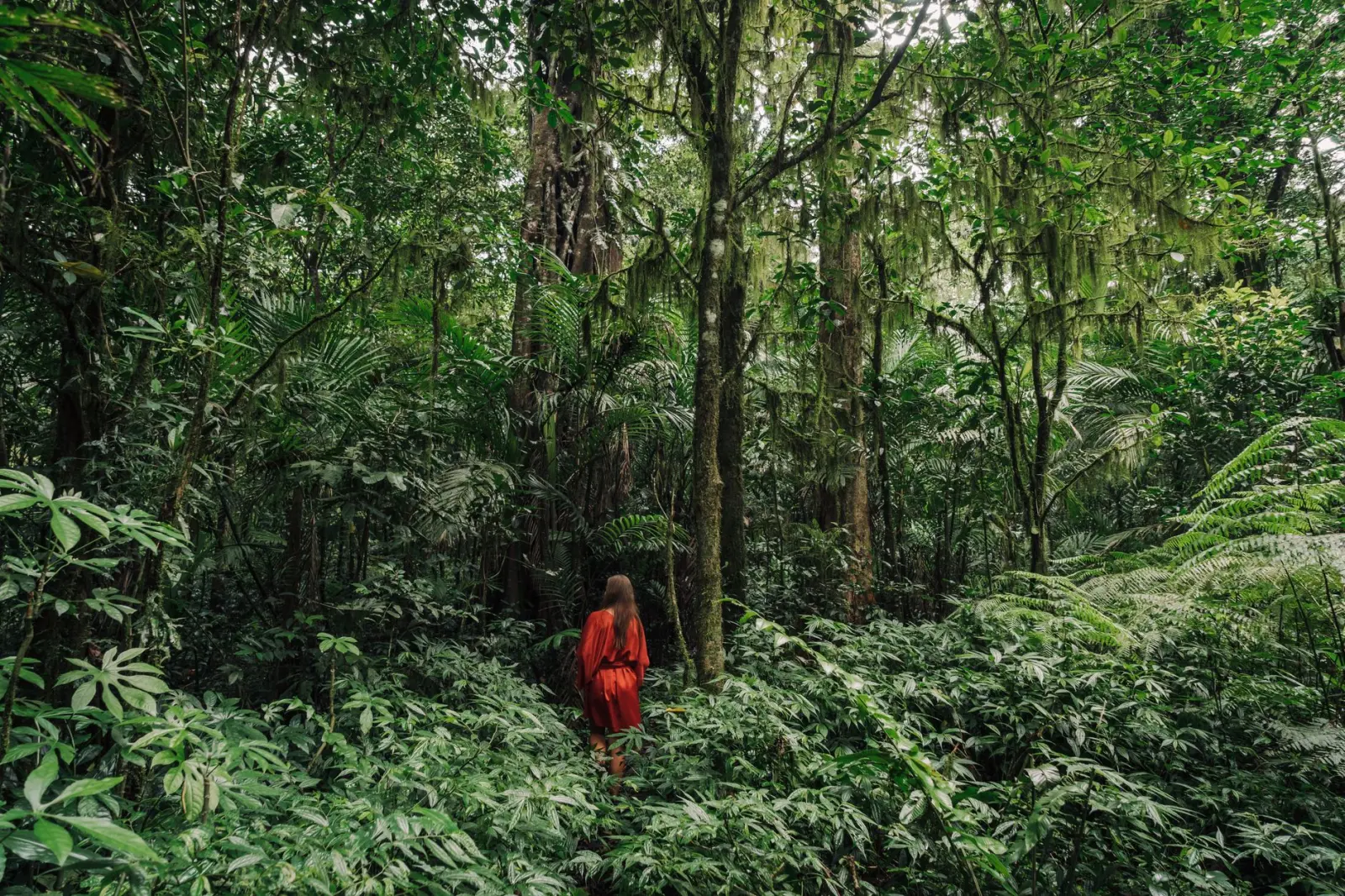
Queen Mary Falls sits in a pocket of rainforest in the Southern Downs of Queensland, and the forest around it operates differently than most people expect when they arrive. The walk itself is short – under two kilometres return – but the environment has particular rhythms and constraints that become obvious only once you’re moving through it. After several visits across different seasons, certain patterns emerge about how this forest behaves and what actually slows people down.
The canopy here is thick enough that light becomes a genuine navigation tool. On overcast days or in late afternoon, the dimness changes how you perceive distance and slope. Your eyes adjust within a few minutes, but that initial moment of stepping from the carpark into the forest creates a sensory shift that people often underestimate. The temperature drops noticeably – sometimes five or six degrees cooler than the open air – and that coolness persists even on hot days. Humidity sits differently too. It’s not oppressive, but it’s present in a way that affects how quickly you fatigue and how your legs feel on the descent.
The Ground and What It Demands
The track itself is well-maintained, which creates a false sense of ease. The problem isn’t maintenance; it’s that the ground is genuinely uneven in ways that don’t read as dramatic until you’re actually walking on it. Rocks are embedded in the soil at angles that catch your foot if you’re not placing weight deliberately. The root network is extensive and often sits just below the surface, creating a texture that requires constant micro-adjustments to your stride.
What distinguishes this walk from easier forest trails is that the unevenness is consistent rather than occasional. You don’t get long stretches of smooth walking punctuated by rough sections. Instead, nearly every step involves some degree of foot placement awareness. This isn’t dangerous, but it’s fatiguing in a way that flat, clear tracks simply aren’t. People who’ve done longer walks on better-maintained paths often find themselves more tired here than the distance would suggest, because the cognitive load of constant minor adjustments accumulates.
The descent is steeper than the ascent appears, which reverses the usual fatigue pattern. Going down, your quads work harder than they did going up, and the impact on your knees is more pronounced. The forest floor doesn’t absorb shock the way people imagine. The soil is compacted from foot traffic, so there’s limited give. Worn sections of track are actually harder than less-used areas because the organic matter has been compressed away.
Water, Mud, and Seasonal Shifts
The falls themselves are the obvious draw, but the forest’s relationship with water extends beyond that single feature. After rain, the entire forest becomes noticeably wetter, but not uniformly. Low points and shaded areas retain moisture for days, while exposed sections dry relatively quickly. This matters because wet sections become slippery in ways that aren’t always visible. The rock surfaces near the falls are genuinely hazardous when wet, and the approach to the falls basin involves scrambling over boulders that offer poor grip when moisture is present.
Mud appears in specific locations rather than across the whole track. These tend to be the same spots each time – places where water naturally collects or where the soil composition is different. Learning where these are saves time and keeps your footwear in better condition. The mud itself isn’t deep, but it’s sticky enough to pull at your shoe, and the rocks beneath it are slippery. Most people simply walk through it rather than trying to avoid it, which is fine, but it’s worth knowing that your footing will be compromised in those sections.
Seasonal variation is real but not extreme. In summer, the forest is lusher and the air feels heavier, but the track conditions remain similar. In winter, the canopy is slightly more open and the light penetrates differently, but the ground doesn’t change dramatically. The main seasonal factor is rainfall. Dry periods make the track firmer and faster to walk, while wet periods introduce the slippery rock and mud variables. Neither condition prevents the walk, but they shift the pace and the physical demand.
What Tends to Catch People Off Guard
The most common surprise is how much attention the terrain requires. People arrive expecting a gentle forest stroll and find themselves concentrating on foot placement. This isn’t a flaw in the walk; it’s simply a characteristic of this particular forest floor. Fatigue sets in faster for people who aren’t used to this kind of constant proprioceptive engagement, regardless of their general fitness level.
The second pattern is underestimating the descent. The return journey feels longer than the outbound walk, and people often reach the carpark with noticeably tired legs. This is partly the steepness and partly the impact, but it’s also psychological – the walk feels like it should be symmetrical, and when it isn’t, people feel more fatigued than they expected to be.
Water crossings, when they exist, are minor but require attention. The creek sections are shallow and easily crossed, but the rocks are slippery and the current, even when minimal, can throw off balance if you’re not deliberate about your footing. Most people cross without incident, but hesitation and uncertainty make the crossing harder than it needs to be.
The final falls approach involves scrambling over large boulders. This isn’t technical climbing, but it does require some comfort with uneven, three-dimensional movement. People who’ve only walked on flat or gently sloped terrain sometimes find this section awkward. The boulders themselves are stable, but their surfaces are angled and offer limited flat footing. Again, this isn’t a barrier, but it’s a shift in movement quality that some people feel more acutely than others.
Practical Realities for Planning
Footwear matters more here than on easier forest walks. Shoes with good ankle support and aggressive tread reduce the cognitive load of foot placement and lower the risk of rolling your ankle on an unexpected root or rock. Trail shoes designed for uneven terrain outperform casual hiking boots or running shoes.
Timing is worth considering. The walk is short enough that you can do it any time of day, but the canopy dimness means that late afternoon walks require more attention to footing as light fades. Early morning walks tend to feel faster because the light is clearer and the air is cooler, which can reduce fatigue perception.
The walk is genuinely achievable for most people with reasonable fitness, but it rewards deliberate movement more than speed. People who rush tend to tire faster and are more likely to slip or step awkwardly. The forest’s unevenness is easier to manage when you’re moving at a pace that allows your body to make small adjustments rather than forcing your way through.
After multiple visits, the walk becomes easier simply because your body learns the specific demands. Your proprioception adapts to the terrain, and you develop an intuitive sense of where the slippery sections are and where you need to be careful. That learning curve is part of what makes repeat visits to the same forest useful – you’re not just seeing a place again, you’re developing a physical literacy with it.



