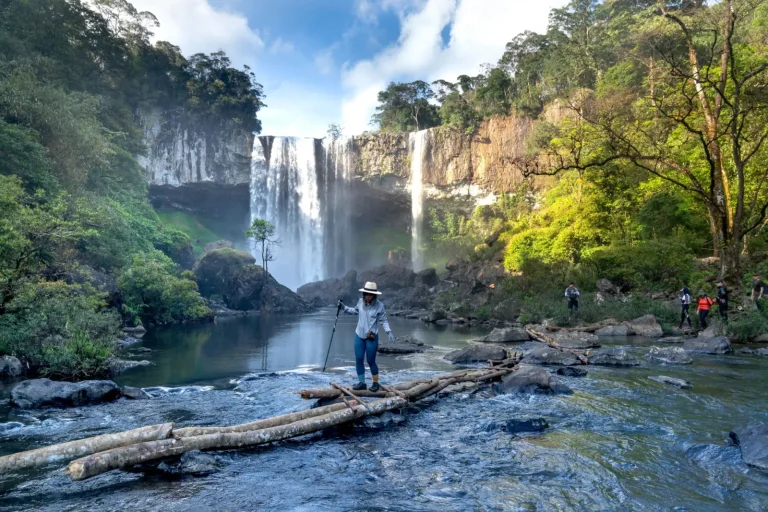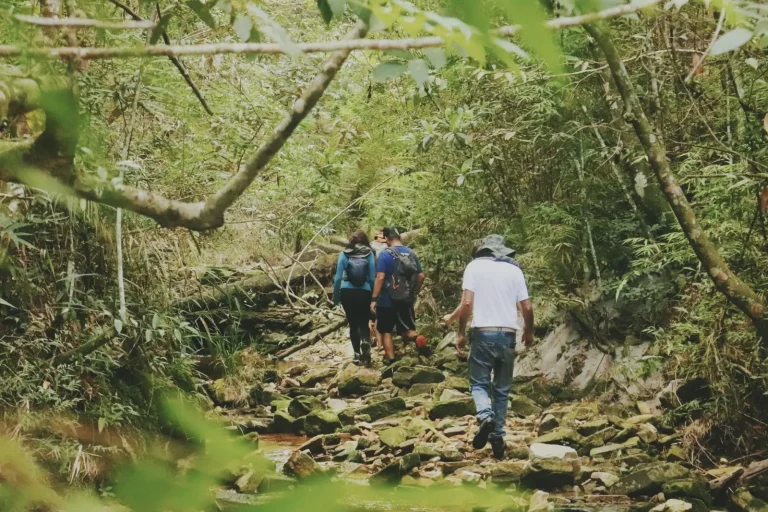
Sea Acres feels deceptively manageable when you first arrive. The car park sits close to the entrance, the paths are well-marked, and the woodland canopy promises shelter. After a dozen visits across different seasons, I’ve learned that this apparent accessibility masks several realities that catch unprepared walkers off guard – not in a dramatic way, but in the small, accumulating discomforts that turn a pleasant outing into something requiring genuine effort.
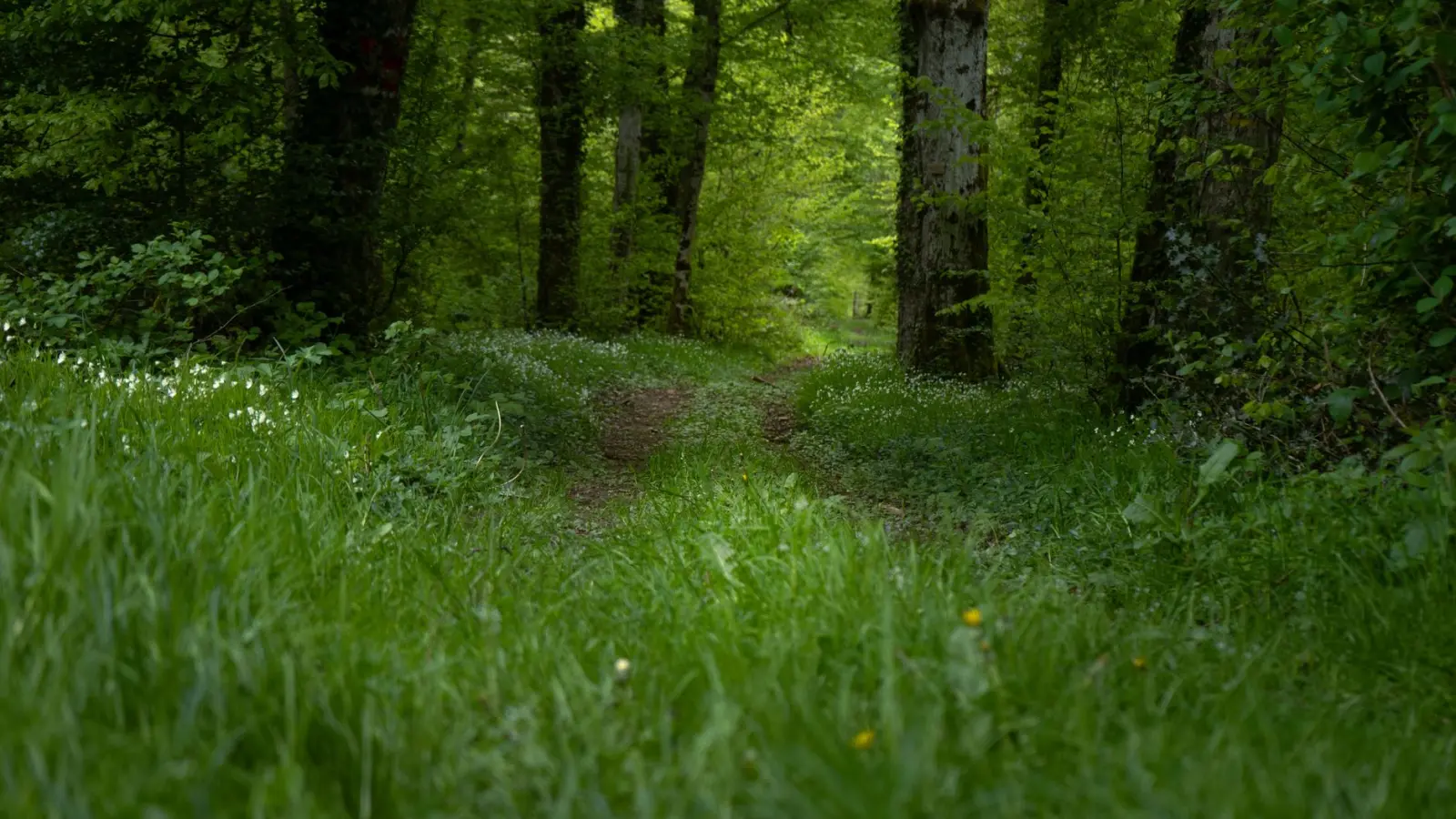
The forest itself is dense Norfolk woodland, a mix of coniferous and broadleaf trees that creates an environment fundamentally different from open coastal walking. Shade is constant, which sounds appealing until you realize it means the ground stays damp far longer after rain. The paths, while maintained, are narrow in places and root-heavy throughout. Tree roots form natural steps and obstacles that demand attention, especially in poor light or when you’re tired. This isn’t dramatic terrain – it’s not a mountain – but it’s also not a flat park walk.
The Ground and What It Tells You
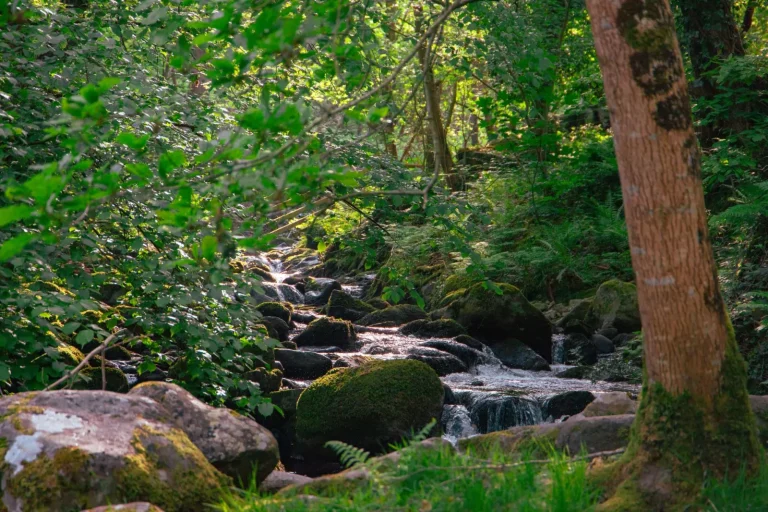
Mud is the dominant feature of Sea Acres walking, and it varies dramatically depending on recent weather and season. After rain, sections become genuinely boggy, not just damp. The paths don’t drain well because the tree cover prevents evaporation and the underlying soil has high clay content. I’ve watched people in trainers slip on what looked like solid ground. Waterproof boots aren’t optional here; they’re the baseline requirement. Even then, you’re managing slippery footing on steep sections.
The forest floor changes character through the year. Winter and early spring are the worst for mud and standing water. Summer brings firmer ground but also higher vegetation that brushes against your legs and clothes. Autumn is often the most walkable period, though fallen leaves can hide root obstacles and uneven ground. Late summer can be surprisingly dry, but the canopy is so thick that wet patches persist in shaded hollows regardless of overall conditions.
Distance and Pacing Reality
The main loop through Sea Acres is roughly three miles, which sounds straightforward. In practice, the terrain and constant minor obstacles mean most people take longer than they’d expect. The woodland sections require deliberate footwork. You can’t settle into an easy rhythm the way you might on a coastal path. This matters more than it sounds. A three-mile walk that takes an hour and a half feels different from one that takes forty minutes, especially if you’ve misjudged your energy or daylight.
The steeper sections near the valley bottom demand focus. There’s a descent toward the stream that’s steep enough to require careful footing on the way down and genuine effort on the return climb. It’s not long – maybe five minutes of climbing – but it comes partway through the walk when fatigue has already set in. I’ve seen people underestimate this and struggle on the way back, particularly older walkers or those carrying children.
What the Weather Actually Does Here
Sea Acres is exposed to Norfolk’s coastal weather patterns, but the forest creates a false sense of protection. Wind that would be noticeable on open ground is barely felt under the canopy. Rain, however, becomes more problematic. It drips from the trees long after it stops falling, and visibility drops significantly because of the dense foliage. The paths become slicker, and the psychological effect of being enclosed by dripping trees affects people differently than open-air rain does.
Fog is common in autumn and winter, particularly early morning. The woodland fog is thick and disorienting in a way that open-ground fog isn’t. The paths are marked, but when visibility drops to ten meters, the forest feels genuinely confusing. I’ve watched experienced walkers second-guess their route in these conditions, even though they’ve walked it before. The fog muffles sound and removes visual reference points, creating a sensory experience that’s quite different from the same walk in clear conditions.
The Practical Constraints of Moving Through
The paths are narrow enough that two people walking side by side will have one person stepping off the path regularly. This matters if you’re with a group or family. Managing children on these paths requires active attention – they’re not dangerous, but they’re not trivial either. The root obstacles that are minor for an adult become genuine navigation challenges for a child with shorter legs.
The tree canopy is low in places. Several sections require ducking or careful head positioning, particularly after storms when fallen branches haven’t been cleared. This is more common in winter and early spring. It’s not a major issue, but it’s another small demand on attention that accumulates through the walk.
Mobile signal is intermittent throughout the forest, which matters if you’re relying on a GPS app or need to contact someone. The paths themselves are clear enough that you don’t need navigation technology, but if something goes wrong – an injury, a child getting distressed – the lack of reliable signal is worth knowing about. The car park and visitor center have signal, but the forest interior doesn’t.
Seasonal Variation and Planning
Spring brings mud at its worst, combined with lower light levels under the emerging canopy. The paths are slippery and visibility is still limited. Summer offers the driest ground but the most vegetation encroachment and the densest canopy. Autumn provides the most walkable conditions, though the leaf litter hides obstacles. Winter is clear underfoot in dry spells but becomes treacherous after rain, and the short daylight hours mean you need to plan timing carefully.
The visitor center and facilities are open year-round, but the forest itself doesn’t really close. People walk here in all conditions. The walk is genuinely feasible in any season, but the experience and the demands it places on you shift significantly. A walk that’s pleasant in October can be genuinely uncomfortable in February, even though the distance and route are identical.
After repeated visits, what becomes clear is that Sea Acres rewards preparation and realistic expectations. It’s not a challenging walk in mountaineering terms, but it’s a walk that demands attention to ground conditions, timing, and appropriate gear. The forest is well-maintained and safe, but it’s also an environment that doesn’t forgive complacency. The people who enjoy it most are those who’ve adjusted their pace to the terrain and accepted that the woodland walk experience is fundamentally different from the coastal walk that might be just a few miles away.