

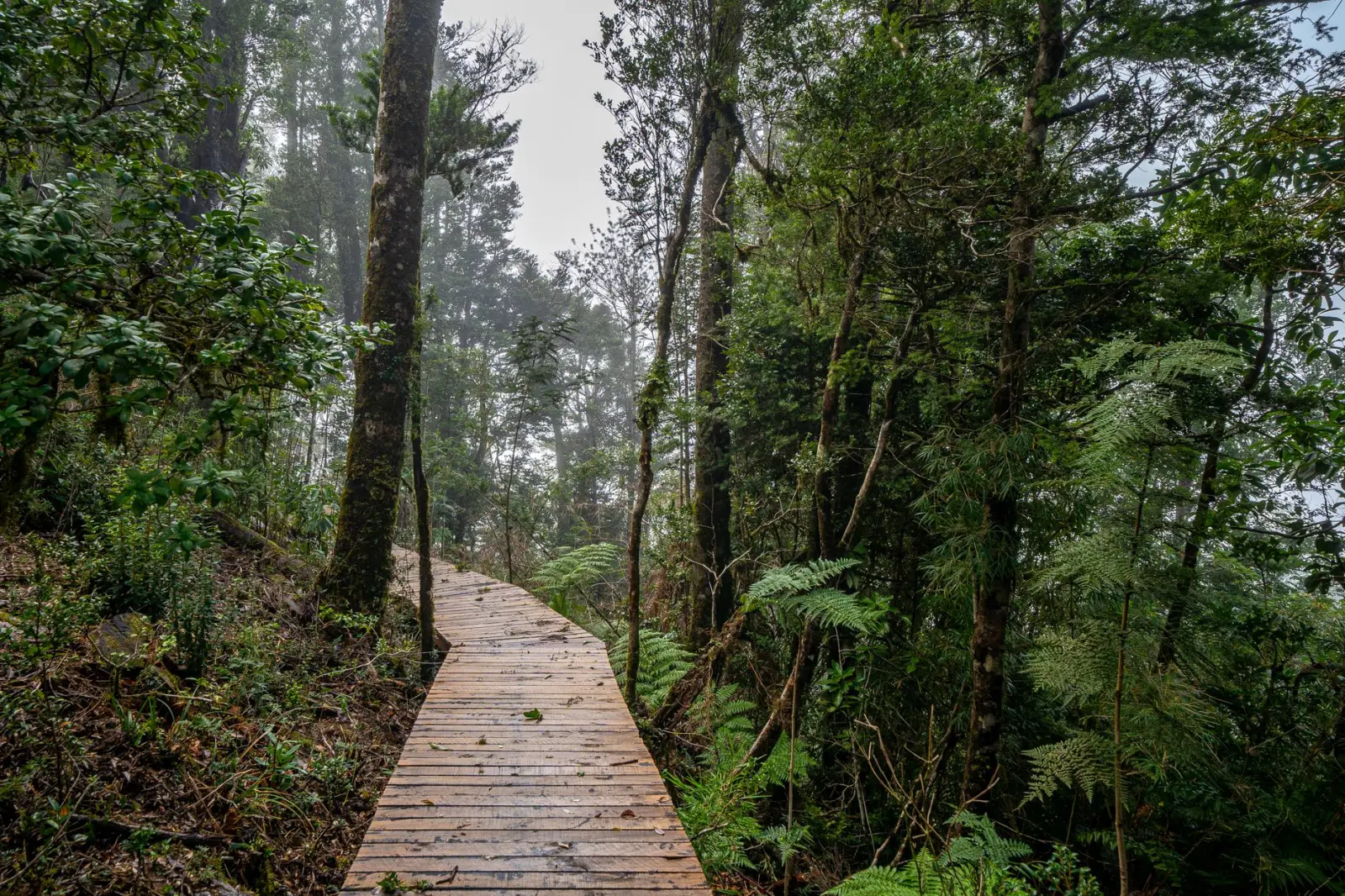
The Gold Coast hinterland forests don’t announce themselves. You drive inland from the beach suburbs, the humidity shifts, the light changes through the canopy, and suddenly you’re somewhere that feels genuinely removed from the coast. After spending considerable time walking these trails – some deliberately, some because I’d miscalculated distances – I’ve developed a fairly clear sense of what actually happens when you move through this landscape on foot.
The terrain itself is deceptive. From a distance, the hinterland looks like rolling green hills with established walking trails. In reality, the ground beneath the trees is rarely level. Tree roots sprawl across the path in ways that don’t announce themselves until your boot catches one. The soil, especially after rain, becomes slick rather than muddy. Slick means your foot slides forward slightly even when you’re moving carefully, which compounds fatigue over several hours. Most people underestimate how much energy goes into maintaining footing rather than simply covering distance.
The Reality of Subtropical Forest Walking
Subtropical rainforest creates its own microclimate. Even on a mild day at sea level, the hinterland stays noticeably warmer and more humid at elevation. The canopy is dense enough that direct sunlight rarely reaches the forest floor, which sounds pleasant until you realize it also means the air doesn’t move. You’re walking through still, warm, moisture-laden air for hours. Sweat doesn’t evaporate efficiently. Your clothes stay damp. This isn’t dangerous in itself, but it’s relentless, and it’s why people often feel more exhausted after a three-hour hinterland walk than after a longer coastal trail.
Water management becomes critical quickly. A two-liter bottle feels adequate until you’re two hours in and the forest hasn’t changed visually in forty minutes. The sameness of the vegetation – the same ferns, the same tree trunks, the same filtered light – creates a psychological effect where time stretches. You drink more than you’d planned because the monotony makes you thirsty in ways that aren’t purely physical. I’ve watched people ration water on hinterland walks who wouldn’t think twice about it on an exposed ridge walk. The difference is psychological pressure combined with actual heat retention.
The trails themselves vary considerably in maintenance. Some are well-marked and regularly cleared. Others have been designated as walking routes but receive minimal upkeep. Fallen branches, sections where the path has eroded into a small ravine, and areas where regrowth has narrowed the walking space are common. This isn’t a safety issue on established trails, but it does mean you can’t settle into a rhythm. You’re constantly making small adjustments, stepping over obstacles, choosing footing. It’s cognitively demanding in a way that flat, clear paths aren’t.
Timing and Daylight Considerations
The hinterland’s elevation and tree density mean daylight behaves differently than on the coast. Sunset comes earlier because the sun drops below the ridge line before it actually sets. A walk that seemed timed perfectly at 2 p.m. can become genuinely dark by 5:30 p.m., even though sunset isn’t technically until 6 p.m. The light doesn’t gradually fade – it drops noticeably in the last thirty minutes before dusk. If you’re not paying attention to time, you can find yourself navigating increasingly difficult terrain with diminishing light. Headlamps are essential if there’s any chance of being on the trail near dusk, and they’re genuinely uncomfortable to use while walking steep sections.
Early morning walks solve this problem but introduce another: temperature and humidity. The forest is cooler at dawn, which sounds ideal, but the humidity is often at its peak. Mist hangs in the canopy. The ground is wetter from overnight moisture. Visibility is actually reduced compared to mid-morning. The advantage is that you’ll finish before the day’s heat builds, which matters more than people expect.
What Catches People Unprepared
Insect activity is persistent and often underestimated. Mosquitoes are present year-round, though they’re worse in warmer months. Sandflies emerge near water sources. Leeches appear after rain, particularly on lower-elevation sections. None of these are deal-breakers, but they’re constant minor irritations that accumulate over hours. Insect repellent helps, though sweat washes it away faster than on drier trails. Long sleeves and pants offer protection but increase heat retention. Most people arrive in shorts and a t-shirt, then spend the walk swatting at insects and wondering why they didn’t plan differently.
The vegetation itself is worth noting. The hinterland forests are home to stinging trees, which are rare enough that you won’t encounter them on most walks, but common enough that you should know what they look like. The leaves have a distinctive shape and a fuzzy appearance. Contact causes a sting that lasts hours. It’s not dangerous, but it’s unpleasant and memorable. Beyond that, the forest is relatively benign. Snakes are present but rarely encountered on established trails. Spiders are visible in webs across the path, particularly in early morning, but they’re not aggressive.
Navigation is straightforward on marked trails, but easy to second-guess. The forest looks similar in all directions. A fork in the path that isn’t clearly marked can create doubt. I’ve watched people turn back or take longer routes because they weren’t confident they were on the right path, even though they were. A simple map or trail app removes this anxiety entirely, but many people rely on signage alone and find it insufficient.
The Practical Rhythm of Forest Walking
Pace matters more here than on other terrain. A steady, moderate pace that you can sustain for hours is better than pushing hard early. The heat and humidity don’t punish speed the way altitude does, but they do punish inconsistency. If you start fast, you’ll be uncomfortable by hour two. If you start conservatively, you can maintain that pace indefinitely. Most people misjudge this and arrive at a trailhead intending a two-hour walk, then find themselves still walking three hours later because the pace was unsustainable.
Rest stops are necessary but often skipped. A five-minute break every hour, in a spot with slightly better air movement, genuinely extends how far you can walk comfortably. People often resist stopping because they’re focused on covering distance, but the stops actually improve efficiency. You return to walking refreshed rather than grinding through fatigue.
The hinterland forests reward patience and realistic expectations. They’re not dramatic in the way coastal cliffs are, and they don’t offer the fitness challenge of alpine terrain. What they do offer is immersion in a genuinely different ecosystem, with the understanding that this landscape operates on its own terms. Walking through it successfully is less about pushing through and more about accepting the pace the forest imposes.



