Victoria Park’s forest sits in that middle ground where it’s neither remote wilderness nor manicured park. After spending considerable time moving through these trails, I’ve found the experience depends heavily on what you’re actually looking for and when you choose to go. The reserve attracts a steady mix of local walkers, dog owners, and people seeking a quiet break from the city, which shapes both the landscape and what you’ll encounter on any given visit.
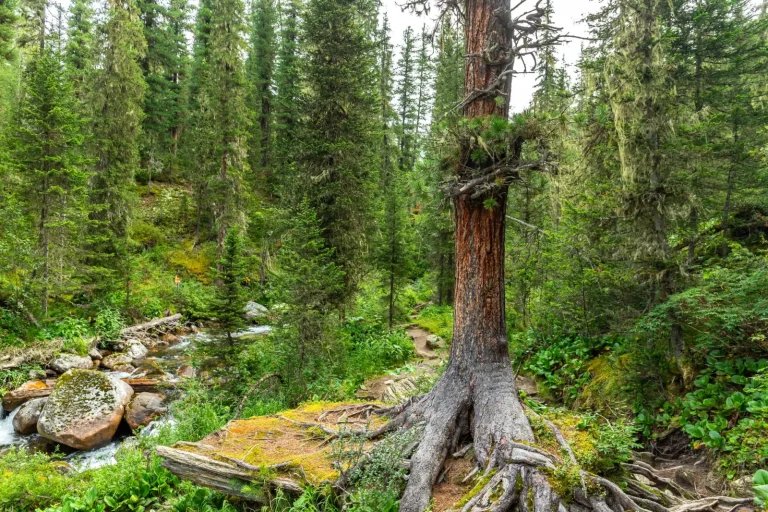
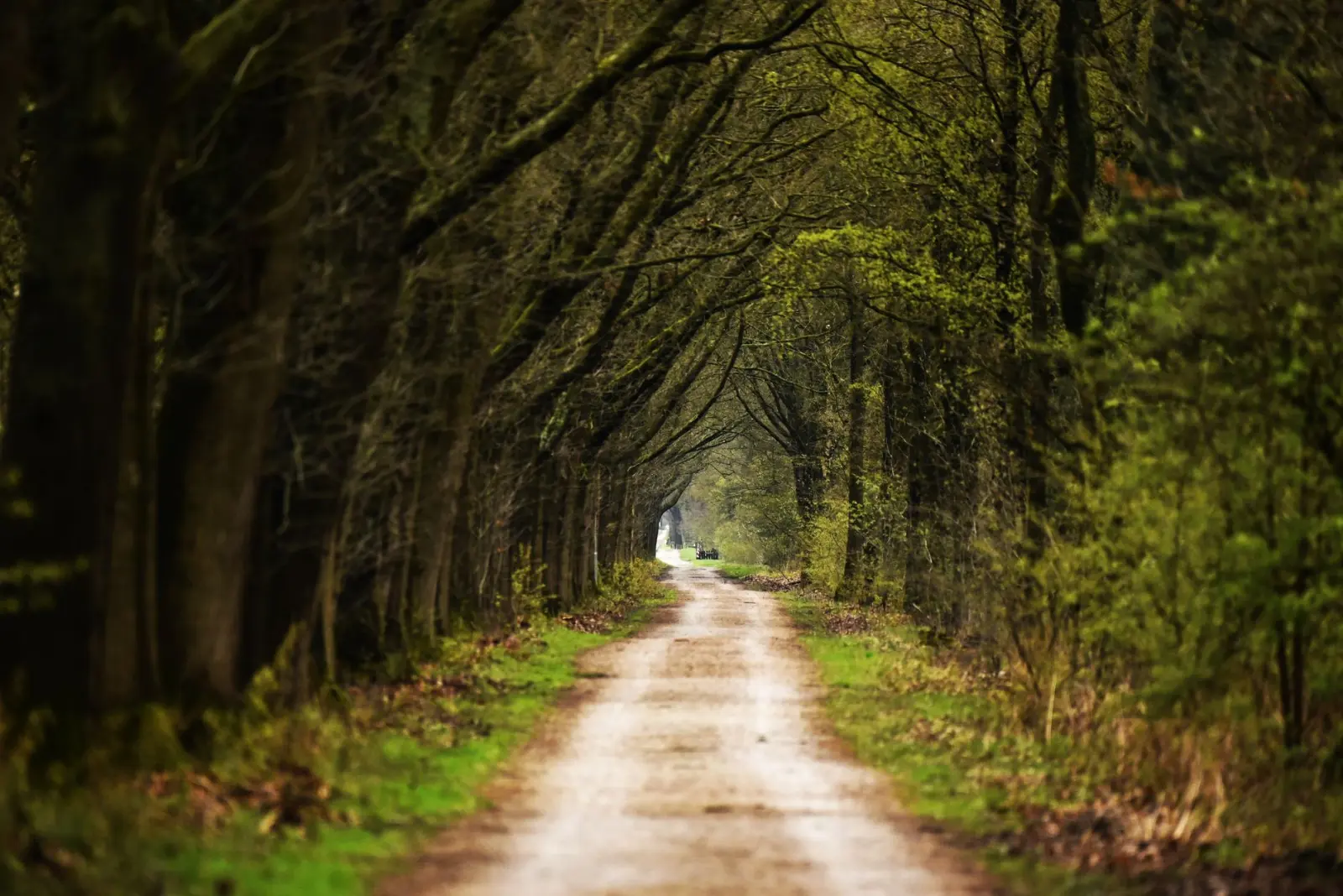
The forest itself is mixed woodland – not dense old-growth, but established enough that you lose sight of the park boundaries fairly quickly. The canopy is thick enough in summer to create genuine shade, which matters more than it sounds when you’re moving through on a warm day. The understory is relatively open in most sections, which means you can see a reasonable distance ahead and navigate without constantly ducking under branches. This openness comes partly from the volume of foot traffic; the paths are well-worn and the lower vegetation has been naturally pruned back by years of use.
Terrain and Navigation Reality
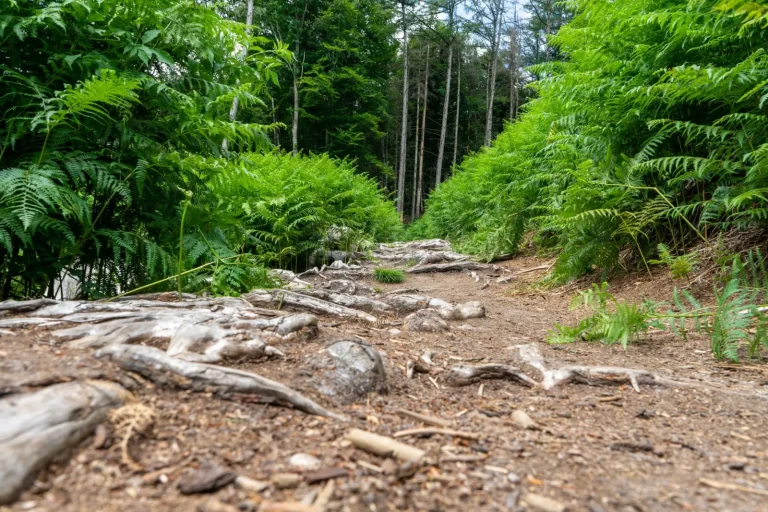
The paths are clearly marked and maintained, but they’re not uniform. Some sections are hard-packed earth that stays relatively dry even after rain. Other areas, particularly near the low points where water naturally collects, turn boggy and stay that way for days. I’ve learned to check the weather from the previous few days before planning a route – not because of current conditions, but because the ground memory in those damper sections is surprisingly long. Boots with decent grip matter more than people typically assume. Trainers work fine on dry days, but after rain or in the wetter zones, you’re either moving carefully or accepting that your feet will slip.
The reserve isn’t large enough to get genuinely lost in, but the path network is more complex than it appears on the map. There are several loop options, and some paths peter out or connect in ways that aren’t immediately obvious on the ground. Most people stick to the main routes, which means the secondary paths see far less traffic and feel noticeably quieter. These quieter sections are where you’re more likely to notice wildlife activity, though what you see depends entirely on the time of day and season.
Timing and What You’ll Actually Encounter
Early morning – say, before eight in summer or before nine in winter – is genuinely different from mid-morning onward. The reserve is quieter, the light is softer, and the birds are more active. I’ve noticed that the same route walked at seven in the morning feels like a different place than the same route at ten. By mid-afternoon, especially on weekends, the paths can feel busy enough that solitude becomes unlikely. This isn’t a criticism; it’s just the reality of a popular local reserve. If quiet is what you’re after, timing matters as much as route choice.
Wildlife is present but not dramatic. You’ll see birds regularly – robins, blackbirds, various tits, and if you’re patient, occasionally a woodpecker or nuthatch depending on the season. Squirrels are common enough that they barely register as noteworthy. Deer move through the reserve, but sightings are sporadic and usually brief. The forest floor hosts the usual invertebrate life, and if you’re paying attention to smaller details, there’s plenty to observe. Mushrooms and fungi are particularly visible in autumn and after wet periods. None of this requires special equipment or knowledge; it’s just what’s there if you’re moving slowly enough to notice.
Practical Constraints and Realistic Planning
The reserve has limited parking, which is worth knowing before you arrive. On weekends, the car park fills up, sometimes by late morning. If driving is your only option, an early start isn’t just about experiencing the forest better – it’s practical necessity. There are alternative parking options nearby, but they add walking time before you even reach the reserve proper.
Facilities are minimal. There’s no café, no shop, no toilets in the forest itself. Some versions of the reserve have a visitor center or facilities at the entrance, but this varies by location. If you’re planning more than an hour in the forest, bring water. The paths are shaded enough that you won’t overheat as quickly as in open parkland, but dehydration still happens, particularly in summer. I’ve seen plenty of people underestimate how much water they need, especially on longer loops.
The reserve’s accessibility varies by path. The main routes are generally manageable for most fitness levels, but they’re not flat. There are gradual inclines and uneven sections that require reasonable mobility. Pushchairs work on some paths but not others. If accessibility is a concern, it’s worth checking specific route conditions rather than assuming the entire reserve is equally accessible.
Seasonal Shifts and What Changes
Spring brings the obvious: new growth, nesting birds, and a general sense of activity. The forest floor is often wet during this period, which is worth accounting for. Summer offers the deepest shade and the most comfortable walking conditions, though the paths also get busiest. Autumn is when the forest changes character most noticeably – the light quality shifts, fungi appear, and the canopy thins gradually. Winter paths are often muddy and can be slippery, but the forest is quieter and you can see further through the bare branches.
Each season changes not just what you see but how you move through the space. A route that takes forty minutes in summer might take fifty in winter simply because you’re moving more carefully on damper ground. This isn’t a problem, just a reality worth building into your planning.
After repeated visits, what stands out is how much the experience depends on your expectations and timing rather than on any inherent limitation of the reserve itself. It’s a working forest that serves a lot of people, which means it’s neither pristine nor degraded – it’s simply a functional, accessible piece of woodland that delivers what it promises: a genuine forest walk without requiring specialized skills or equipment, located close enough to reach without major logistical effort. Whether that’s what you’re looking for is the only question that really matters.