
Queensland’s rainforests attract photographers because the subject matter is genuinely compelling – dense canopy, filtered light, endemic wildlife. But the gap between what draws people to these places and what actually translates into usable photographs is wider than most expect. After years of working in these environments, I’ve learned that location choice determines almost everything. Not the camera. Not the lens. The location.
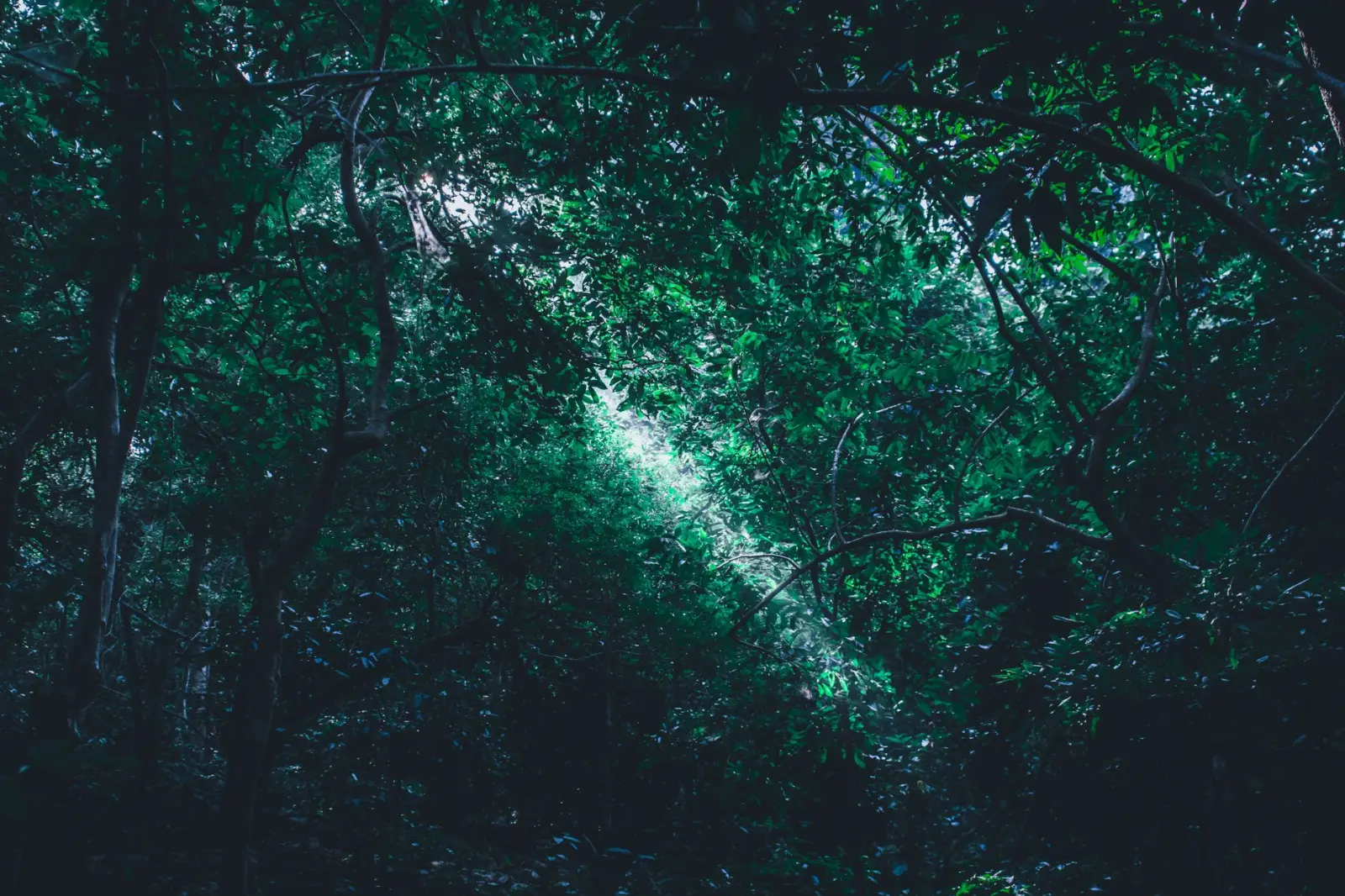
The Daintree is the obvious starting point, and for good reason. It’s old, it’s biodiverse, and the infrastructure exists. But Daintree photographs tend to look similar because everyone shoots the same accessible sections. The Mossman Gorge area gets heavy foot traffic, especially mid-morning when tour groups arrive. The light there becomes flat and harsh by 10 a.m. If you’re serious about working in Daintree, you need to be on the walking tracks by first light – not sunrise, but the actual moment when enough ambient light reaches the forest floor to work without a tripod becoming essential. That window is roughly 6:15 to 7:45 a.m. in winter, earlier in summer. After that, the gorge becomes a logistics problem rather than a photography opportunity.
The Atherton Tablelands Approach
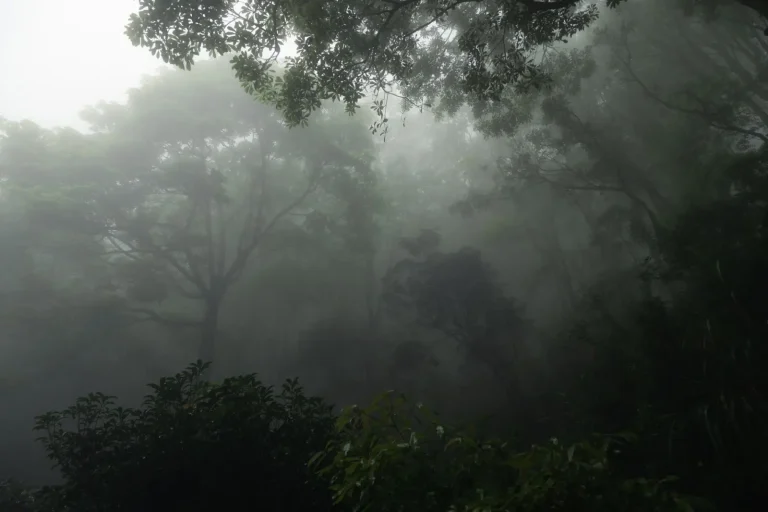
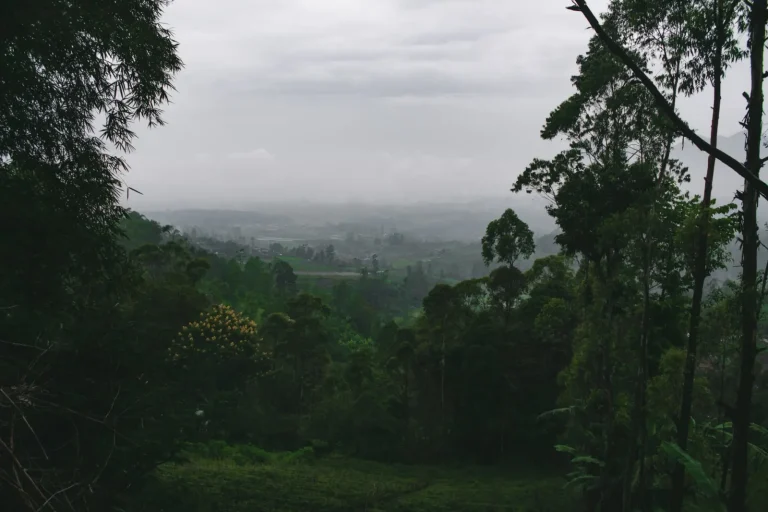
The Atherton Tablelands offer something different. The rainforest here sits at elevation, which changes everything about how light behaves. Mist lingers longer in the morning, creating natural diffusion that you cannot replicate with filters. The canopy is often more open than Daintree, which means you’re not fighting total darkness at ground level. Lake Eacham and the surrounding national park areas are where I’ve consistently found the most workable light conditions, particularly in the hours just after sunrise when mist is still present but visibility is improving.
What makes the Tablelands practical is access. You can reach shooting locations without a guide, without permits, and without the psychological pressure of knowing a tour bus is arriving in two hours. Crater Lakes National Park has walking tracks that loop through undisturbed rainforest, and the volcanic geology creates natural clearings where light penetrates differently than in the dense Daintree sections. The trade-off is that wildlife is less abundant and less habituated to human presence. You’ll see less, but what you do see often feels less staged.
Lamington National Park and the Subtropical Edge
Lamington sits on Queensland’s southern border, and it occupies an interesting ecological position – subtropical rainforest rather than tropical. This matters. The canopy is slightly more open, the understory is less chaotic, and the light quality has a different character. The park is also less crowded than Daintree, which means you can spend time in one location without feeling rushed.
The walking tracks here are well-maintained and steep enough that casual visitors don’t venture far. Binna Burra and O’Reilly’s are the main lodge bases, and both have track systems that move through different forest types. The photography advantage is that you can work the same location across multiple days and actually see behavioral patterns in wildlife rather than just isolated encounters. I’ve spent time photographing lyrebirds in Lamington across consecutive mornings, and the difference in behavior and light between day one and day three is substantial enough to affect how you frame and time your shots.
The subtropical character also means you’ll encounter different species. Regent bowerbirds, various honeyeaters, and skinks are more common than in tropical areas. The light has a slightly warmer cast, which some photographers prefer. It’s not objectively better, but it’s different enough that it’s worth experiencing if you’ve already spent time in the tropical north.
Practical Reality: Fatigue and Timing
One observation that doesn’t make it into most rainforest photography advice is how physically demanding these locations are. The heat, humidity, and uneven terrain combine in ways that affect your decision-making by mid-afternoon. I’ve noticed that my best work tends to happen in the first four to five hours of being on a track. After that, fatigue starts influencing composition choices. You stop moving to find better angles and start shooting from wherever you happen to be standing.
This is why location choice matters so much. If you choose a spot that requires a 90-minute walk to reach, you’re already fatigued before you start shooting. If you choose a location with multiple access points and varied terrain within a 20-minute radius of parking, you can shoot for six hours and still have energy for intentional composition. The Tablelands locations generally offer this advantage over Daintree, where the gorge terrain is steep and the walk-in distances are longer.
Weather also operates on a rhythm that most photographers don’t anticipate. Afternoon rain in rainforest areas is common, but it’s not random. In my experience, the heaviest rain tends to arrive between 2 and 4 p.m., particularly in summer. Morning conditions are usually more stable. This isn’t a hard rule, but it’s consistent enough that planning your shooting window around morning light makes practical sense. If you’re in a location where you can shoot for three hours in the morning and then retreat, you’ll have better results than if you’re trying to photograph through variable afternoon conditions.
Why Certain Locations Underperform
There are rainforest areas in Queensland that look promising on paper but consistently disappoint. Some locations have been photographed so heavily that wildlife has become genuinely wary. Other areas have canopy damage from cyclones or logging history that hasn’t recovered, which affects both light quality and subject matter. The Wet Tropics World Heritage Area includes some sections that are more interesting for their ecological significance than for their photographic potential.
I’ve also found that locations with heavy tourism infrastructure – boardwalks, viewing platforms, multiple daily tour groups – tend to produce homogeneous photographs. The infrastructure constrains where you can position yourself, which means your angles converge with everyone else’s angles. You end up with technically competent images that lack any distinctive perspective.
The less-visited rainforest sections often require more effort to access, but that effort is usually where the distinction comes from. Paluma Range National Park, north of Townsville, receives a fraction of the visitors that Daintree does. The rainforest there is less dense in some sections, which changes the light dynamics. The wildlife is less habituated but also less pressured. It’s a different working environment entirely.
Queensland’s rainforests will photograph well if you choose locations based on light behavior and access logistics rather than reputation alone. The Daintree works, but only if you’re there at the right time. The Tablelands offer more flexibility and consistent light. Lamington provides a different ecological context and fewer crowds. Each has real advantages, and none of them are the “best” – they’re just different problems to solve, and the solution depends on what you’re actually trying to photograph and how much time and energy you’re willing to invest in the process.