
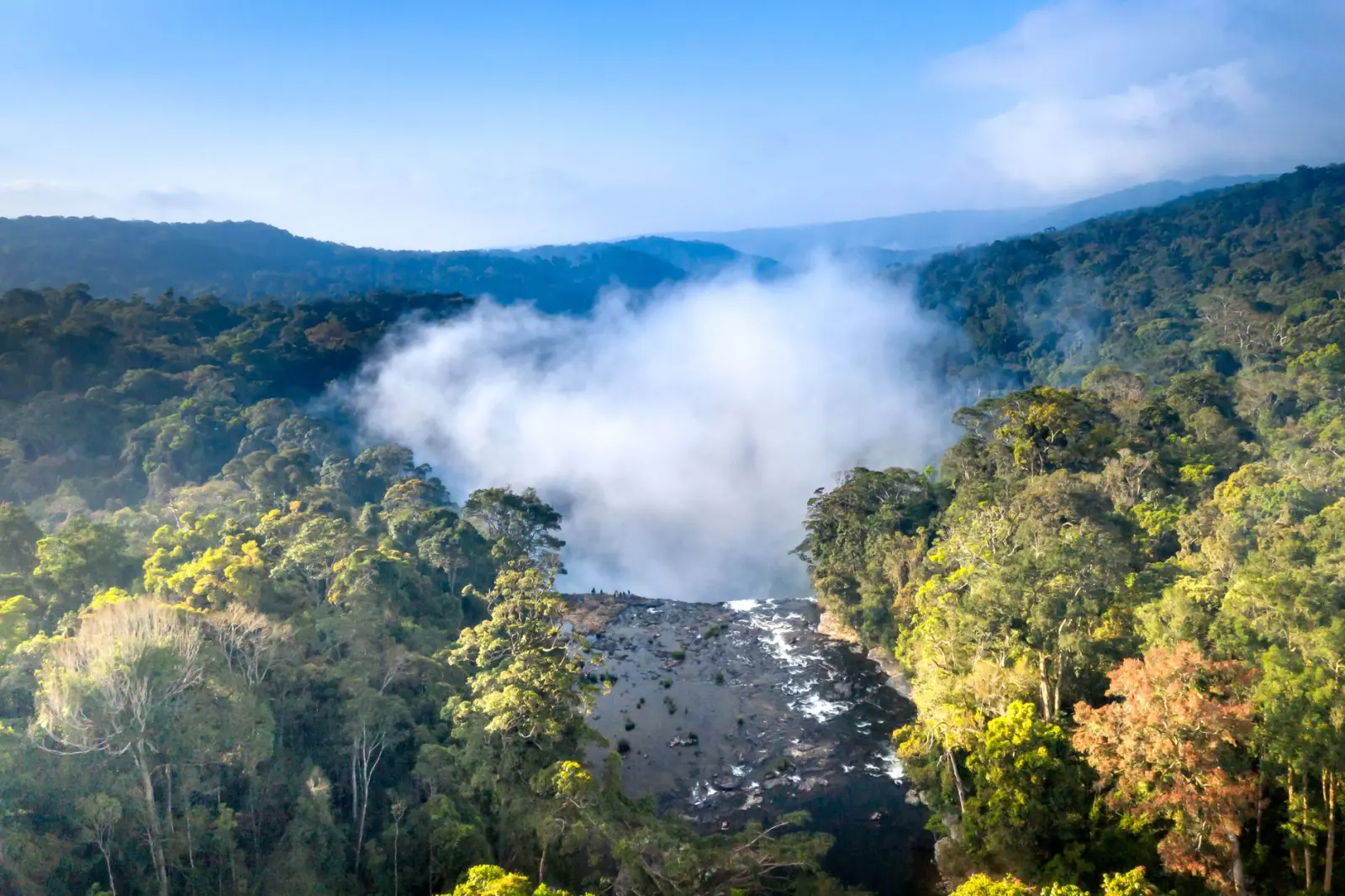
After spending years moving through rainforests across Central America and Southeast Asia, you begin to notice something that doesn’t appear in most field guides: the edge is not simply a thinner version of the forest interior. It’s a fundamentally different habitat. The animals you encounter at a forest boundary – whether that boundary is a river, a cleared road, or an abrupt transition to grassland – are often entirely different from what you’ll find fifty meters deeper in. This isn’t random distribution. The edge creates specific conditions that certain species exploit while others actively avoid.
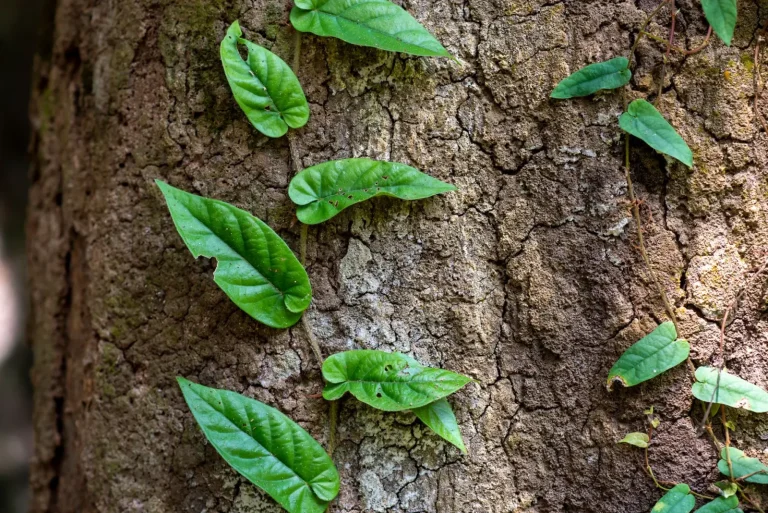
The most obvious driver is light. In a mature rainforest interior, the canopy is so dense that the forest floor exists in perpetual twilight. Very little direct sunlight reaches ground level. At the edge, everything changes. Suddenly there’s direct sun exposure for several hours a day, depending on the orientation and time of year. This light penetrates deeper into the vegetation layer, triggering rapid growth of secondary vegetation – shrubs, saplings, and dense understory plants that simply don’t exist in the shaded interior. This structural change in the vegetation itself becomes the foundation for everything else.
The Vegetation Shift Creates a Cascade
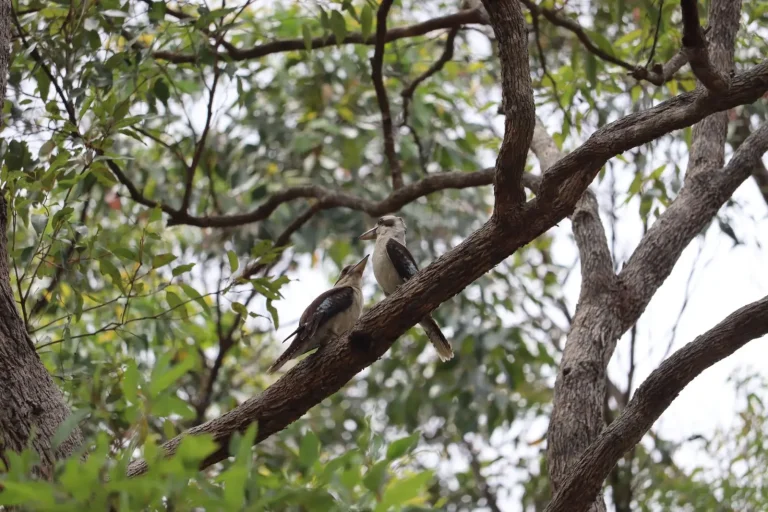
Where there’s dense, low vegetation with abundant new growth, there are insects. Lots of them. Caterpillars, beetles, grasshoppers, and countless others that feed on young leaves and flowers thrive in this environment. I’ve watched mixed feeding flocks of birds at forest edges that you would never see in the interior – tanagers, honeycreepers, and various warblers that depend on this abundance of insects in accessible vegetation. The edge essentially creates an all-you-can-eat buffet at a height and density that makes foraging efficient.
The interior forest, by contrast, has a different food structure. Insects are present, but they’re distributed across a vast vertical space – some high in the canopy, others deep in the leaf litter. The vegetation is sparser and more spread out. Birds that hunt in the interior tend to be specialists adapted to this particular arrangement: they might be canopy specialists, ground foragers, or trunk climbers. They’re not the same species you’ll find at the edge.
Mammals respond to this same vegetation pattern, though in different ways. Small rodents and marsupials tend to be more abundant at edges because the dense understory provides cover and abundant food sources. I’ve set up camera traps at forest edges and interior locations many times, and the difference in mammal activity is striking. At the edge, you see agoutis, pacas, and various rodent species regularly. Move fifty meters into the interior, and those same species become rare or absent. They’re replaced by different specialists – perhaps collared peccaries or tapirs that prefer the more open understory of the interior and can navigate the sparse vegetation more effectively.
Temperature and Humidity Gradients
The microclimate at an edge is measurably different from the interior. The interior forest maintains relatively stable temperature and humidity throughout the day – it’s consistently warm and very humid, with minimal fluctuation. At the edge, temperatures fluctuate more dramatically. Direct sun exposure heats the air and vegetation during midday, then it cools more rapidly in late afternoon. Humidity drops noticeably during the day, though it recovers at night. These fluctuations matter enormously to cold-blooded animals like reptiles and amphibians.
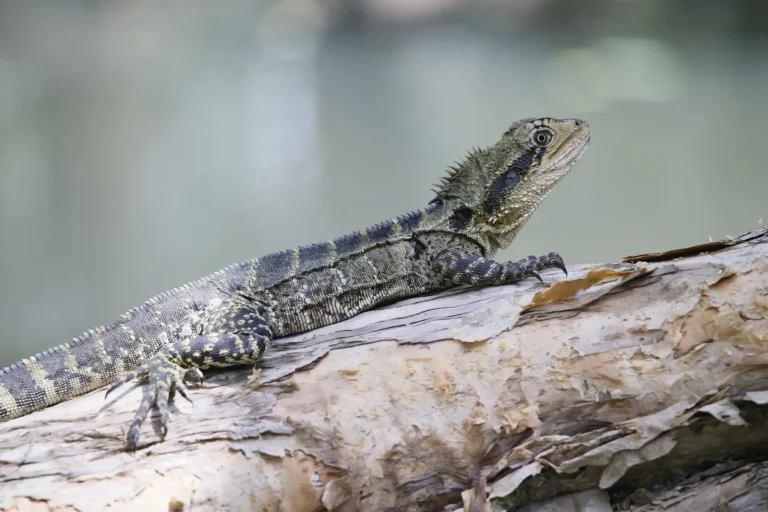
Some species actually prefer the edge conditions. Certain lizards and snakes are more active and more visible at edges because they can thermoregulate more easily – they can bask in sunlight to warm up, then retreat to shade when needed. In the interior, the lack of direct sunlight makes thermoregulation difficult for these animals. They tend to be less active, more cryptic, and harder to encounter. Amphibians show the opposite pattern: many prefer the stable, humid interior conditions and avoid edges where they risk desiccation.
I’ve noticed that herpetofauna surveys at forest edges always yield different species lists than interior surveys, even when the surveys are conducted in the same forest. This isn’t because one location is better or worse – it’s because the physical conditions select for different animals. An edge-loving species like a basilisk lizard is perfectly adapted to the warmer, drier, more open conditions, but it would be at a disadvantage in the interior where those conditions don’t exist.
Predation Pressure and Visibility
The structural openness of edges changes predator-prey dynamics. In the interior, visibility is limited. Predators and prey alike operate in a world of dense vegetation where encounters happen at close range. At the edge, sight lines open up. This favors predators that hunt by sight – raptors, for instance, can spot prey more easily at an edge than they can in the interior. It also favors prey species that can detect threats from a distance and respond quickly. You tend to see more alert, faster-moving animals at edges. Slower, more cryptic species that rely on camouflage and stillness are more common in the interior.
This has real consequences for which species you encounter. Howler monkeys, which rely on group cohesion and loud vocalizations in the interior, tend to avoid edges where they’re more exposed and visible to potential threats. Smaller, faster primates like tamarins or squirrel monkeys, by contrast, are often more active at edges where their agility gives them an advantage.
Edge Effects Extend Inward
One thing that surprised me early in my field work was how far edge effects penetrate into the forest. I initially assumed that moving twenty or thirty meters from the edge would put you back in “true” interior conditions. It doesn’t work that way. The edge creates a gradient. The vegetation structure, light levels, and microclimate all shift gradually as you move away from the boundary. This transitional zone – sometimes called the edge-interior gradient – can extend fifty meters or more depending on the nature of the edge and the local topography.
Species distributions follow this gradient. Some animals are strictly edge specialists and won’t venture far from the boundary. Others are interior specialists but tolerate the edge gradient to some degree. Most species have an optimal zone within this gradient where conditions are most favorable. This is why wildlife surveys in tropical forests require careful attention to where exactly you’re sampling. A survey conducted at the edge will produce fundamentally different results than one conducted in the interior, even if both are technically within the same forest.
The practical reality is that rainforest edges are not degraded versions of the interior. They’re distinct habitats with their own ecological character, their own species assemblages, and their own dynamics. Understanding this distinction matters if you’re trying to conserve particular species, manage forest fragments, or simply understand what you’re observing when you move through a rainforest. The edge is where you’ll see certain animals reliably. The interior is where you’ll find others. Neither is more “real” than the other – they’re just different expressions of what a rainforest can be.