The Blackall Range sits in southeast Queensland as a narrow spine of elevated rainforest running inland from the coast. After spending considerable time moving through these forests – early mornings, wet season visits, dry season surveys – the wildlife here operates on patterns that don’t always match what visitors expect. The animals are present, sometimes abundant, but seeing them depends heavily on understanding when and where they actually move through the landscape.
What strikes most people first is the sheer noise. Before you see anything, the forest announces itself through bird calls, insect choruses, and the rustle of small creatures in the canopy. This acoustic richness is partly what draws people here, but it also masks the reality that many animals remain invisible despite being close by. The dense vegetation that creates ideal habitat also creates perfect cover. You can stand in the middle of active wildlife activity and see almost nothing if you’re moving at the wrong pace or at the wrong time.
The range supports a mix of species that reflects its position between coastal lowlands and higher elevation forest. Rainforest pigeons and doves are genuinely common, particularly the wompoo fruit-dove and the emerald dove, though they’re easier to hear than see. They move through the canopy feeding on figs and native fruits, and their calls carry across the forest in ways that make them seem more numerous than they actually are. The topknot pigeon appears seasonally when fruiting cycles align, and these birds can be surprisingly vocal during breeding periods.
Mammals and the Timing Problem
Mammals present a different challenge entirely. The range holds several species that are genuinely present but operate almost entirely outside normal daylight hours or at times when human visitors aren’t active. Brush-tailed possums, common brushtail possums, and gliders occupy the canopy and emerge at dusk, well after most day visitors have left the forest. The sugar glider is present but nocturnal, and spotting one requires either luck or deliberate night-based observation. Wallabies use the forest edges and clearings, particularly at dawn and dusk, but they’re quick to move if disturbed.
The platypus inhabits streams throughout the range, and this is genuinely one of the more reliable places to encounter them in Queensland. But reliability here means standing quietly near suitable water for extended periods during early morning or late afternoon, when they’re most active. Most people who visit don’t spend time this way. They walk trails during midday hours and then wonder why they haven’t seen anything. The animals are there; the observation method simply doesn’t align with animal behavior.
Birds: Reliability and Rarity
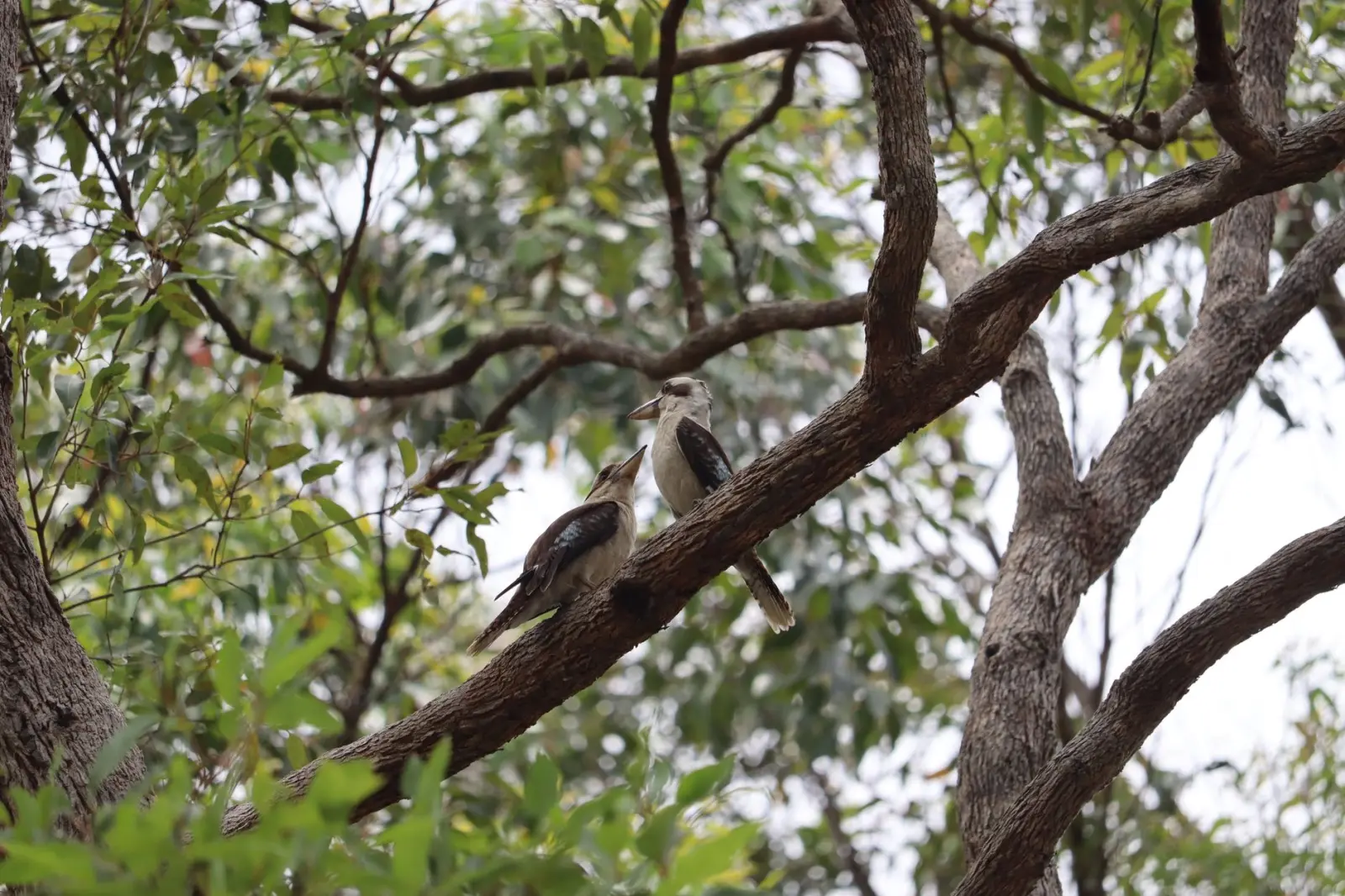
Bird watching in the Blackall Range offers more consistent results than mammal spotting, partly because many species are diurnal and vocal. The rainforest supports several species that are genuinely common and relatively easy to locate if you move slowly and listen carefully. Kookaburras, currawongs, and various honeyeaters occupy the canopy and mid-story. Lyrebirds are present in suitable habitat, particularly in gullies with dense fern growth, and their mimicry abilities mean you’ll hear them far more often than you see them.
Rarer species do occur here, and this is where the range develops a reputation among serious birders. The regent bowerbird, though declining across its range, still appears in small numbers. The paradise riflebird has been recorded, though sightings are infrequent. These aren’t birds you should expect to see; they’re birds you might encounter if you spend significant time in the forest and understand the specific microhabitats they prefer. The difference between a casual visitor and someone who has genuine success with rare species often comes down to knowing which gullies, which aspects of hillside, and which times of year make encounters more probable.
Reptiles and Amphibians in Wet Conditions
The range’s stream systems and wet areas support a diverse reptile and amphibian community that becomes far more visible after rain or during the wet season. Frogs are particularly vocal during breeding periods, and the chorus can be overwhelming in suitable habitat during spring and early summer. Various skink species occupy the forest floor and leaf litter, and encounters with them increase substantially during humid conditions when they’re more active. Snakes are present but rarely encountered by casual visitors, which is generally how these encounters work out in practice.
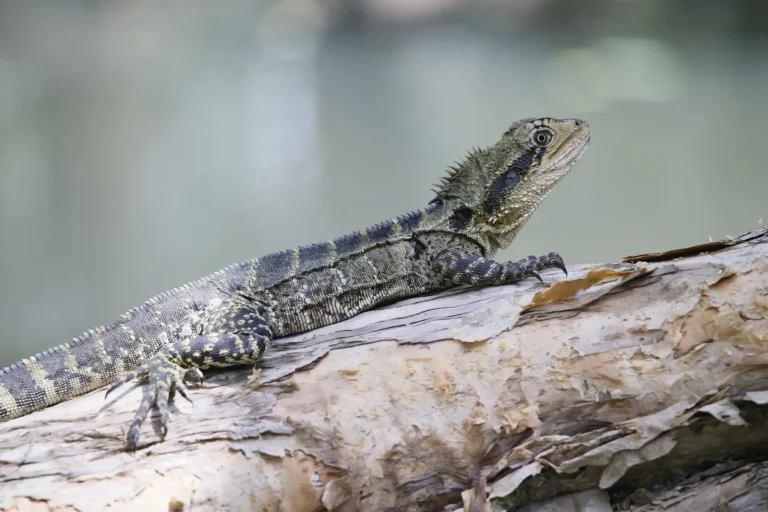
The Australian water dragon inhabits streams and is genuinely one of the more reliably visible reptiles if you spend time near water. They’re territorial and often return to the same basking spots, so repeated visits to productive stream sections increase your chances considerably. This is different from hoping to stumble across something; it’s about understanding that certain locations concentrate certain species during certain conditions.
Insects and the Overlooked Abundance
What often goes unnoticed is the sheer diversity and abundance of insects. The Blackall Range supports countless species of beetles, flies, wasps, and other invertebrates that form the actual foundation of the forest ecosystem. Butterflies are visible and relatively easy to observe, particularly in clearings and along trail edges where flowering plants attract them. Cicadas create the background noise during warmer months, and their presence indicates thriving forest conditions. Stick insects and leaf insects occur here, though spotting them requires the kind of focused observation that most visitors don’t invest.
The forest floor itself is where much of the invertebrate activity concentrates. Turning over logs reveals beetles, millipedes, and other creatures that most people never encounter because they’re not looking at ground level. This isn’t a criticism; it’s simply how observation works. The animals you see depend entirely on where you direct your attention and how much time you spend in that specific location.
After repeated visits across different seasons, the pattern becomes clear: the Blackall Range rainforest is genuinely rich in wildlife, but that richness doesn’t announce itself to passing visitors. The animals are there, operating on their own schedules, responding to weather patterns and seasonal cycles that don’t necessarily align with human convenience. Success in observing them comes from understanding these patterns, spending time in the forest during appropriate hours, and accepting that many species will remain invisible even when you’re standing in their habitat. The forest isn’t hiding its wildlife so much as operating on a schedule that requires patience and specific knowledge to access.