The rainforest around Cairns operates on rhythms that don’t match tourist schedules. After years of moving through these forests at different times of day and season, you learn that the animals aren’t hiding – they’re simply not where the guidebooks suggest you look. The Daintree and Wet Tropics rainforests hold extraordinary biodiversity, but encountering it requires understanding how the forest actually functions, not just knowing which species theoretically live there.
Most visitors arrive expecting to see wildlife the way they might in an African savanna: animals visible, active, and relatively predictable. The tropical rainforest doesn’t work that way. Visibility is limited to a few metres in many sections. The canopy absorbs most of the light. Animals move through three-dimensional space that humans can barely navigate. The reality is that you’ll spend hours in the forest and see far less than you anticipated, unless you know what conditions favour visibility and what time windows matter.
The wet season, roughly November through March, transforms how animals behave and where they concentrate. During this period, water is abundant throughout the forest floor, so animals disperse widely rather than clustering near permanent water sources. Humidity climbs, insects explode in number, and the forest becomes almost oppressively alive – but also harder to navigate and harder to see individual animals clearly. The dry season, May through September, concentrates wildlife around remaining water sources and creates clearer conditions, but it also brings the worst heat and the most aggressive insects. April and October sit in between: reasonable conditions, fewer tourists, and wildlife patterns that are more predictable than either extreme.
What You’re Likely to Actually See
Cassowaries dominate the conversation around Cairns rainforest wildlife, and for good reason – they’re large, distinctive, and genuinely present. But they’re also territorial, wary, and increasingly accustomed to avoiding humans. You might see one, particularly near the Daintree River area or around Mission Beach, but it’s not guaranteed even if you spend a week in the forest. When you do encounter a cassowary, the experience is brief. They move through the understory with surprising speed for a bird that size, and they have no interest in lingering near people. The blue and red colouring on their head and neck is vivid up close, but most sightings are partial – a flash of colour between trees, or the sound of them moving through the leaf litter before you catch a visual.
Tree kangaroos are another iconic species, and they’re genuinely present in the canopy, but again, seeing one requires luck and patience. They’re nocturnal or crepuscular, spending daylight hours resting in the fork of a large tree where they’re difficult to spot. Early morning or late afternoon walks sometimes yield sightings, but many people visit the region and never see one. When they do appear, they’re often high in the canopy, which makes photography difficult and observation limited to a few minutes before they shift position or disappear entirely.
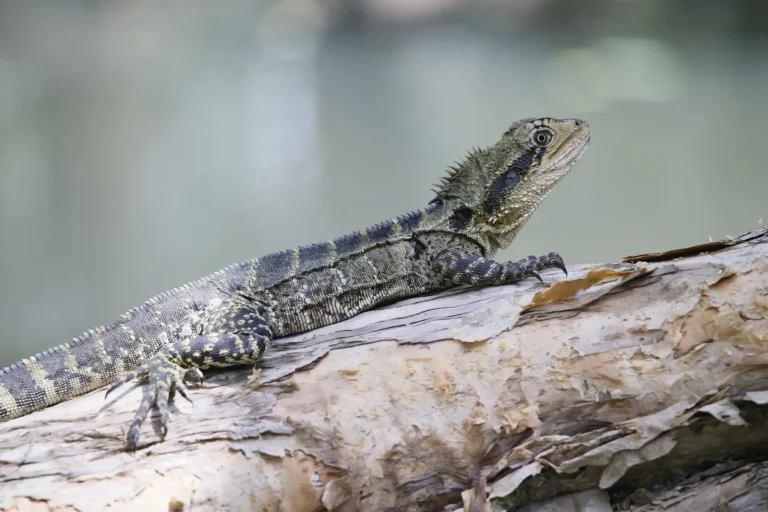
Smaller animals are far more commonly encountered, though they’re less memorable. Brush turkeys scratch constantly through the leaf litter and are almost impossible to miss if you’re walking quietly. Various species of wallaby emerge at dusk and early morning. Possums and gliders are active at night and frequently heard rather than seen. Lizards – skinks, goannas, and smaller species – are common in the understory and on the forest floor, particularly in drier sections. None of these are what people travel to Cairns hoping to see, but they’re the reliable wildlife baseline.
Birds, Insects, and the Noise of the Forest
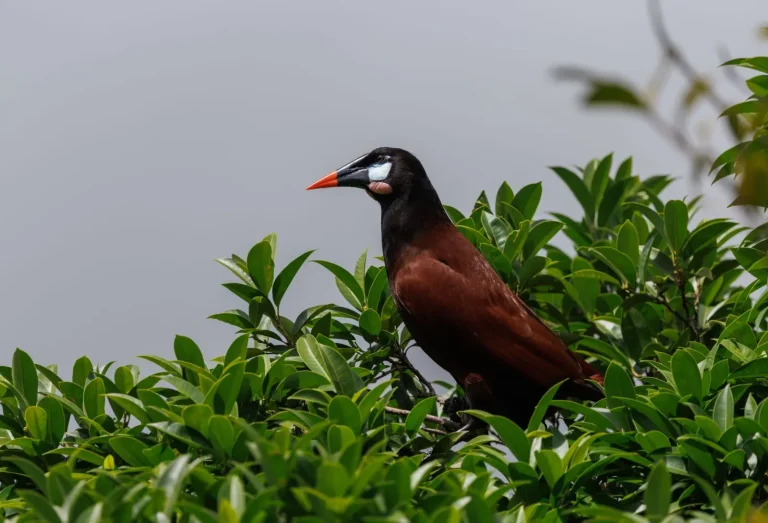
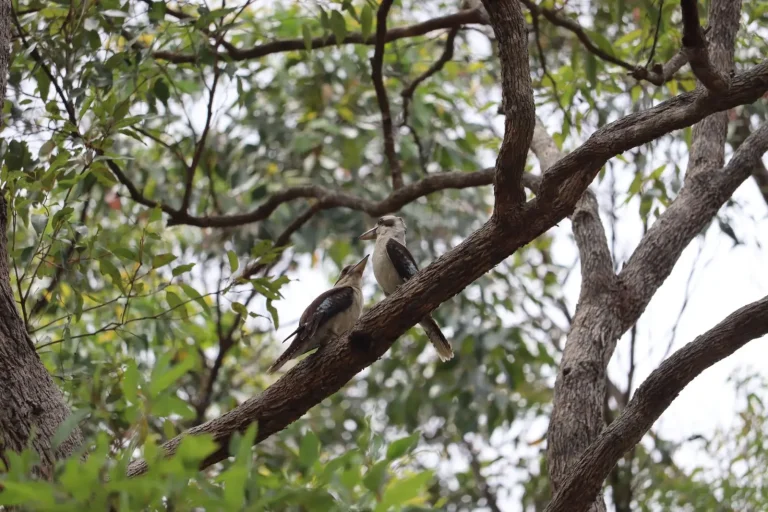
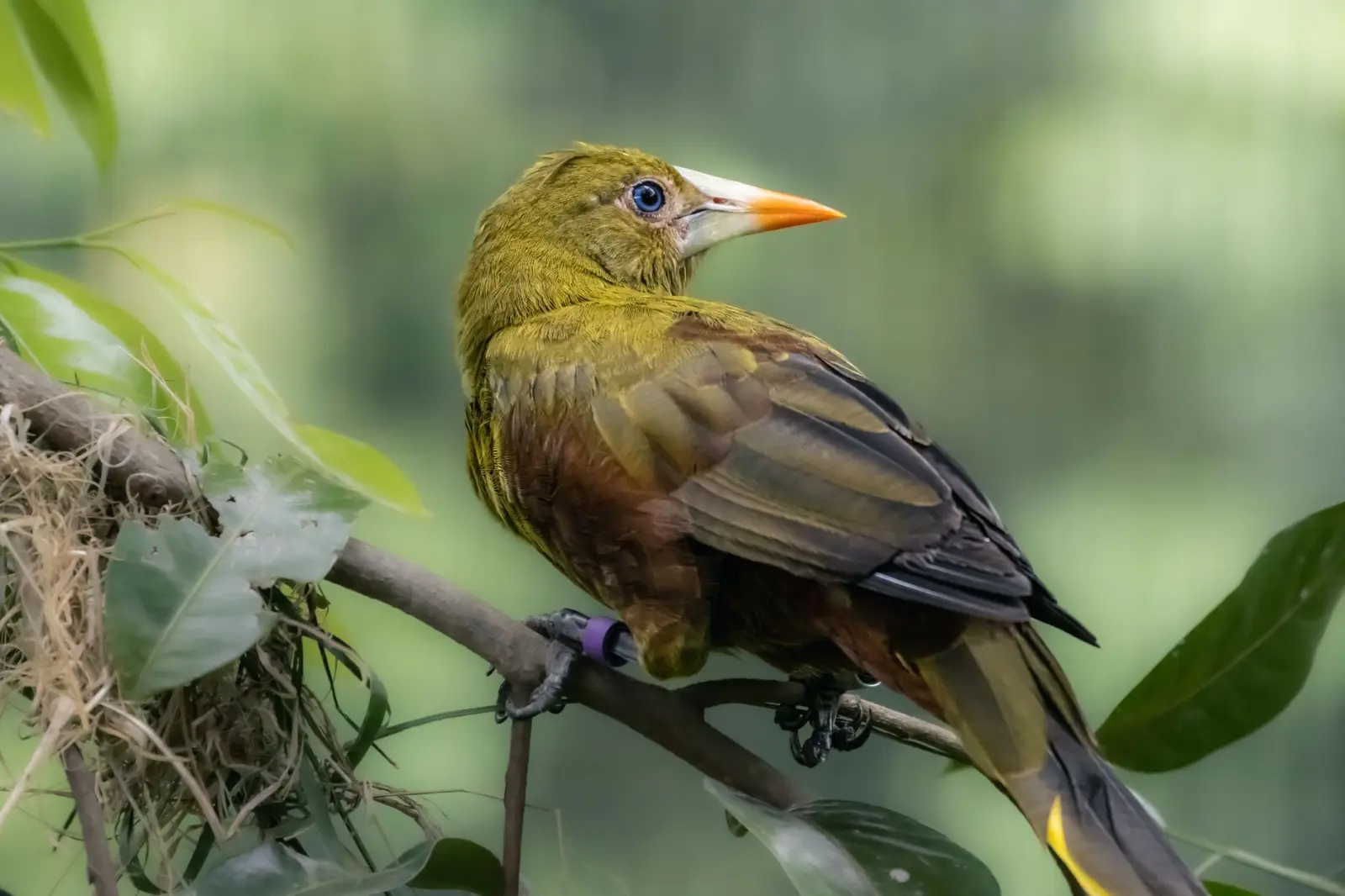
The bird life is genuinely exceptional. The Cairns region holds species found nowhere else on Earth, particularly among the bowerbirds and birds of paradise. However, most of these are small, cryptic, and difficult to identify without significant experience. The Regent Bowerbird, for instance, is strikingly coloured but spends much of its time in dense vegetation. Kookaburras and other larger species are easier to spot and hear, but they’re not unique to the region. Serious birdwatchers spend full days in the forest and still miss species they’re specifically targeting. Casual visitors hear the forest’s acoustic richness – the constant calls, whistles, and movement – but rarely connect specific sounds to specific birds.
Insects represent the actual abundance of the rainforest, though they’re rarely what draws people. Butterflies are visible and sometimes stunning, particularly the larger species and the iridescent blue Ulysses butterfly. Beetles, ants, spiders, and countless other invertebrates are everywhere, but most visitors don’t pause long enough to notice them. The forest’s real biodiversity is in these smaller creatures, not in the charismatic megafauna.
Practical Constraints on Wildlife Observation
Several factors consistently affect what you’ll see. Physical fitness matters more than people expect. The forest trails are often steep, muddy, and require sustained effort. Fatigue sets in, attention wanes, and you stop noticing the subtle movements and sounds that signal animal presence. Many visitors are exhausted within an hour or two, which means they’re hiking through prime wildlife habitat while operating at reduced awareness.
Noise is another major factor. Groups of tourists moving together, talking, and stopping frequently to consult maps or phones create an acoustic disturbance that travels through the forest. Solitary walkers or small, quiet groups see more. This isn’t a moral judgment – it’s simply how animals respond to human presence. A cassowary or tree kangaroo will move away from noise before you ever see it.
Guides vary enormously in quality and knowledge. A good guide who knows the forest intimately and has relationships with local animals will show you far more than you’d find independently. A guide who follows a standard route and talks constantly will show you less. The difference between a mediocre guide and an excellent one can mean the difference between seeing nothing and seeing multiple species in a single walk.
Weather affects visibility directly. Clear mornings offer the best sightings because animals are active and light penetrates the canopy. Overcast days reduce visibility and often suppress animal activity. Rain drives many animals into deeper cover, though it also triggers feeding activity in some species. Extreme heat suppresses movement entirely.
Seasonal Patterns and Breeding
Cassowary breeding season, typically June through September, concentrates birds in specific areas as they defend territories and forage for fallen fruit. This is theoretically the best time to see them, though it also makes them more aggressive and less predictable. Bowerbirds are most visible during their breeding season when males are actively maintaining and displaying at their bowers. Tree kangaroos breed year-round but are more vocal and active during certain periods.
The abundance of fruit in the rainforest drives much of the wildlife activity. When native fig trees fruit, large animals concentrate in the canopy. When fruit is scarce, animals disperse and become harder to locate. Understanding the forest’s fruiting calendar – which varies by year and location – is genuinely useful for predicting where animals will be.
The reality of Cairns rainforest wildlife is that it’s abundant but elusive. The forest holds extraordinary species in remarkable numbers, but observing them requires time, patience, quiet movement, and acceptance that you might spend hours seeing very little. The experience is often more about being in the forest itself – the sounds, the light, the humidity, the sense of being in a living system that operates on its own terms – than about specific animal sightings. Visitors who arrive expecting a wildlife spectacle are often disappointed. Those who arrive expecting solitude and the possibility of encountering something remarkable usually leave satisfied, regardless of what they actually saw.