
The Atherton Tablelands sit at around 600 to 900 metres elevation in Far North Queensland, and the rainforest here operates differently than the lowland tropical forests most people imagine. After spending considerable time moving through these forests – early mornings, late afternoons, after rain – you begin to notice patterns that don’t show up in wildlife guides. The altitude, the soil type, and the seasonal rainfall create specific conditions that determine which animals you’ll encounter and when.
Most visitors arrive expecting to see wildlife constantly. That’s rarely how it works. The rainforest is dense, the animals are often silent, and many are nocturnal or crepuscular. You can walk for an hour and see nothing obvious, then suddenly spot a cassowary or hear a lyrebird. The difference between a quiet walk and a productive one often comes down to timing, patience, and understanding what conditions bring animals out.
The Cassowary Question
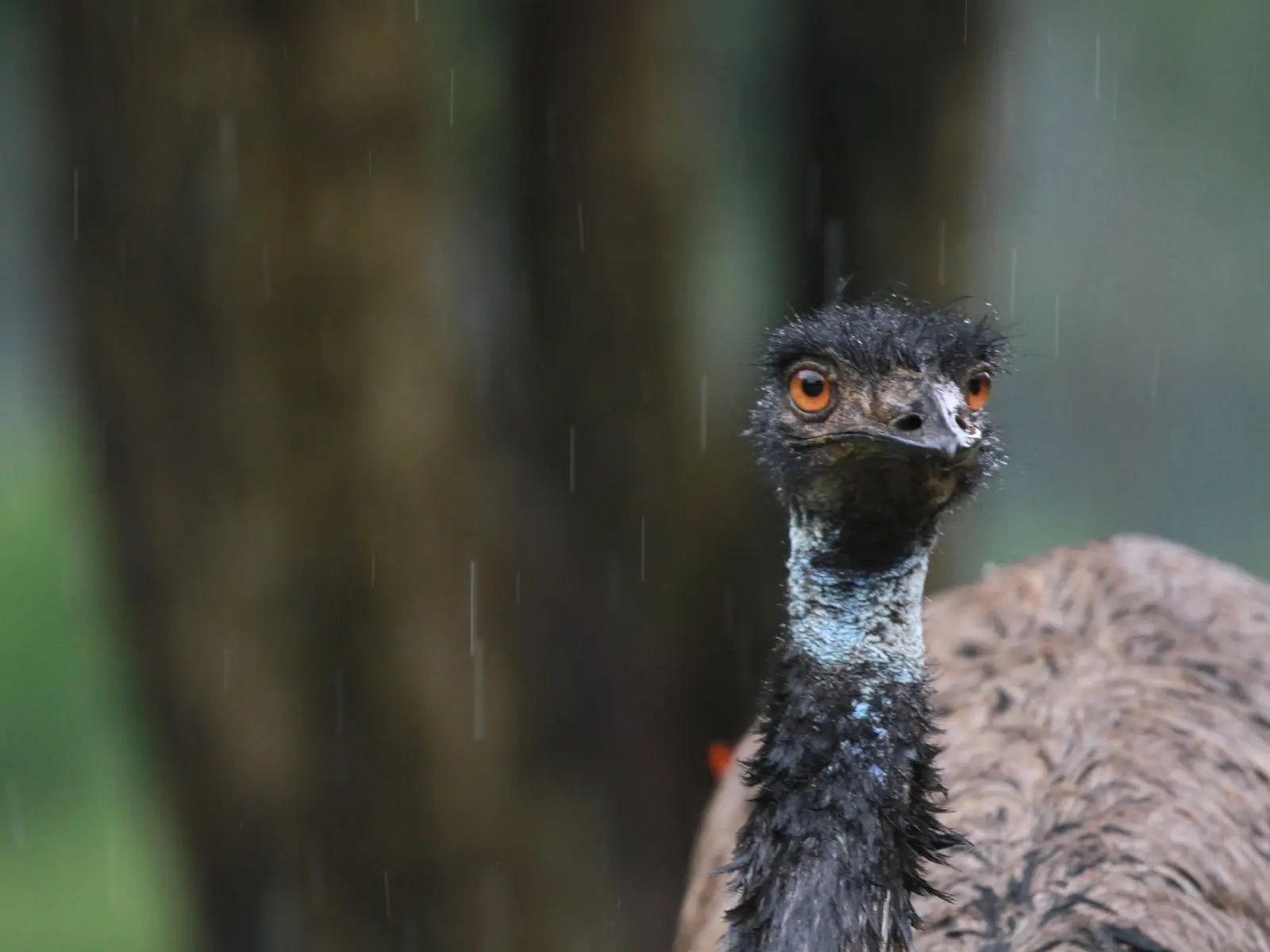
The cassowary is the animal everyone wants to see. It’s large, distinctive, and genuinely present in the Atherton Tablelands. But encountering one requires specific circumstances. They’re most active in early morning and late afternoon, moving between feeding areas. They prefer areas with fruiting trees – particularly rainforest figs, which fruit seasonally. If you’re visiting in a season when figs aren’t productive, cassowaries spend more time in less accessible parts of the forest.
The birds are solitary or in small family groups, and they’re wary of humans. You’re far more likely to see evidence of their presence – scratched leaf litter, droppings, three-toed tracks in muddy areas – than to see the bird itself. When you do encounter one, it’s often by chance rather than design. They don’t come to viewing platforms or congregate in predictable spots. The places where cassowaries are most reliably seen are usually private properties or protected areas with minimal human traffic, and access to these isn’t always straightforward.
Birds: Abundance and Difficulty
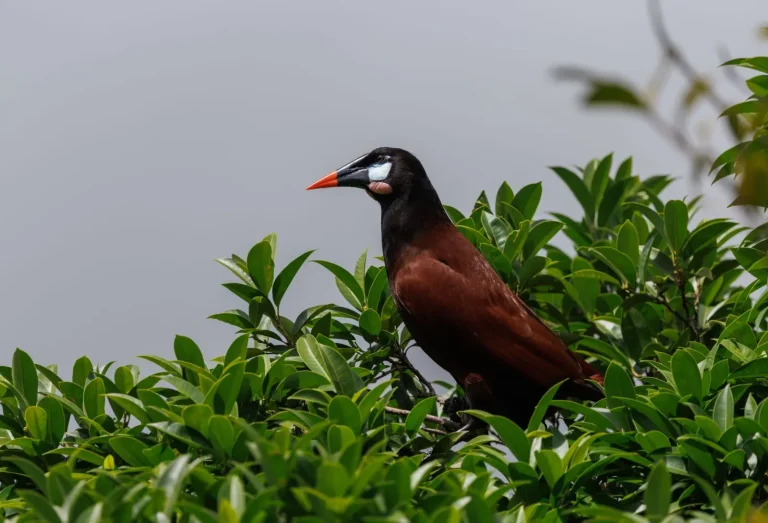
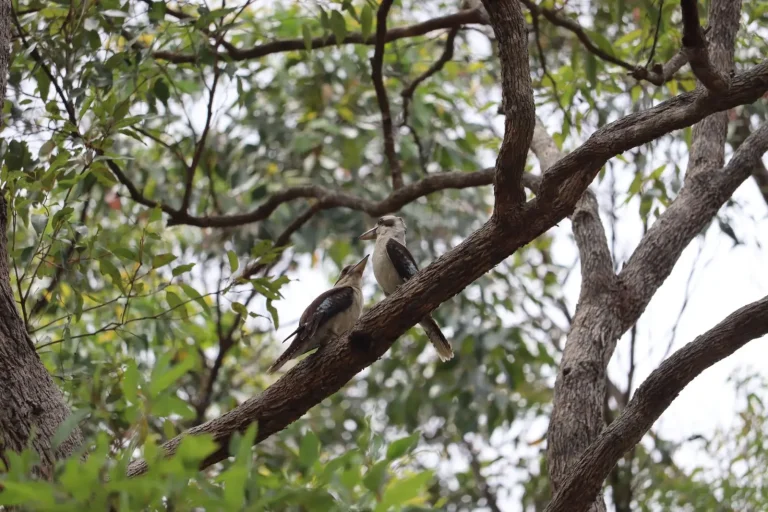
The Tablelands support an exceptional diversity of birds. Bowerbirds, lyrebirds, various honeyeaters, kookaburras, and numerous smaller species inhabit the forest. The challenge is that many are heard far more often than seen. A lyrebird’s call can carry through the forest, but the bird itself stays hidden in dense undergrowth. Similarly, many honeyeaters announce themselves vocally but remain in the canopy, difficult to observe clearly.
Early morning is genuinely the best time for bird activity. Between sunrise and about 9 a.m., birds are most vocal and active. After that, activity drops significantly. If you’re walking through the forest at midday, you’ll encounter far fewer birds. This isn’t a guide tip – it’s a consistent observation. The heat, the light, and the reduced insect activity all factor in. Wet weather also changes bird behaviour noticeably. After rain, birds emerge to feed on insects and wet vegetation, and the forest becomes more alive.
Specific locations within the Tablelands have established bird communities. The rainforest around Crater Lakes, for instance, differs from the forest near Yungaburra or the areas around Lake Eacham. Elevation, vegetation type, and water availability create micro-habitats. If you’re interested in particular species, understanding these local variations matters more than simply visiting “the rainforest.”
Smaller Animals and Nocturnal Life
Mammals smaller than cassowaries are abundant but often invisible during the day. Possums, gliders, tree-kangaroos, and various rodents are present throughout the Tablelands, but most are nocturnal or active at dawn and dusk. You might see a brush possum or a sugar glider if you’re walking at the right time, but it’s not reliable. Night walks or spotlight surveys reveal a completely different fauna – the nocturnal world is genuinely active and diverse.
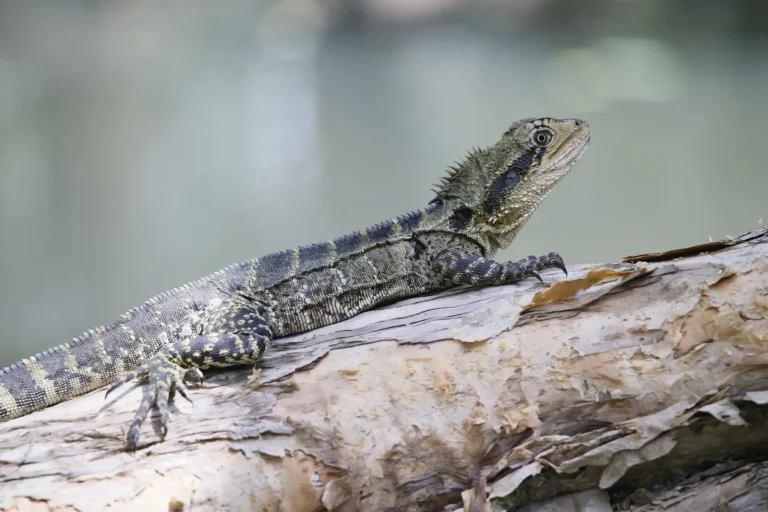
Reptiles are present but similarly cryptic. Pythons, various skinks, and goannas live in the forest, but you won’t stumble across them regularly. They’re more common in areas with specific habitat features – fallen logs, rocky outcrops, or areas with good sun exposure for basking. The wetter, denser parts of the rainforest are less productive for reptile spotting than semi-open areas or forest edges.
Frogs are perhaps the most reliably encountered small animals, particularly after rain. The Tablelands supports numerous frog species, and their calls can be deafening in the right season. If you’re in the forest after rainfall during breeding season, you’ll hear them constantly. Seeing them is another matter – they’re small, well-camouflaged, and often in vegetation above head height. The sound is the primary experience.
Seasonal Patterns and Fruit Availability
The timing of your visit significantly affects what you’ll see. Fruit availability drives much of the wildlife activity in rainforests. When figs, native plums, and other fruiting trees are productive, animals concentrate in those areas. When fruit is scarce, animals disperse more widely, making encounters less likely. This varies year to year based on rainfall and temperature patterns.
The wet season, roughly November to March, brings increased activity. Breeding occurs, insects proliferate, and water is abundant. The dry season, May to September, sees reduced activity in some respects, though some animals breed during this period. Understanding these cycles helps explain why a visit in one season might yield very different results than a visit at another time.
Insect life is also seasonal. The Tablelands support numerous butterfly species, beetles, and other insects. After rain, insect activity increases dramatically. Some insects are seasonal – certain butterflies appear only during specific months. If insects are your interest, timing becomes crucial.
Practical Realities of Rainforest Movement
Walking through the Atherton Tablelands rainforest requires realistic expectations about pace and comfort. The terrain is uneven, vegetation is thick, and the forest floor is often wet and slippery. You won’t move quickly, and you’ll be alert to footing rather than constantly scanning for wildlife. This affects how much you actually observe. A slow, quiet walk with frequent stops is far more productive than moving steadily through the forest.
Humidity is constant in the rainforest, even during drier months. Heat and moisture combine to make physical exertion more taxing than it might be in other environments. This limits how long you can comfortably spend in the forest, which in turn limits your chances of encountering less common animals. Fatigue also reduces your ability to notice subtle movements or sounds that might indicate wildlife presence.
The best wildlife experiences in the Atherton Tablelands typically come from staying in one area for an extended period rather than moving between multiple locations. Repeated visits to the same spot, at different times of day and in different seasons, build familiarity. You begin to recognize individual animals, understand their habits, and anticipate where they’re likely to be. A single afternoon walk rarely provides this depth of observation.
The rainforest of the Atherton Tablelands is genuinely biodiverse and worth visiting. But the wildlife isn’t on display. It requires patience, realistic timing, and acceptance that much of what lives there will remain unseen. The animals are adapted to avoid detection, and the forest is designed to conceal rather than reveal. That’s not a limitation – it’s the actual nature of rainforest wildlife observation.