
The Scenic Rim rainforests sit in a peculiar position. They’re not pristine wilderness – they’re fragmented patches of subtropical and warm temperate forest threaded through farmland, small towns, and private properties across the Queensland-New South Wales border. This matters more than you’d think when you’re out looking for wildlife. The animals here have adapted to living alongside human activity, which changes their behavior, distribution, and visibility in ways that surprise most visitors.
I’ve spent considerable time moving through these forests – on walking trails, along creek beds, driving quiet roads at dawn. The wildlife is there, genuinely present and diverse, but seeing it requires understanding the actual conditions you’re working with. The Scenic Rim isn’t a zoo. Animals don’t perform on schedule. What you encounter depends heavily on season, time of day, weather, and frankly, how much patience you’re willing to invest.
The Common Residents You’ll Likely See
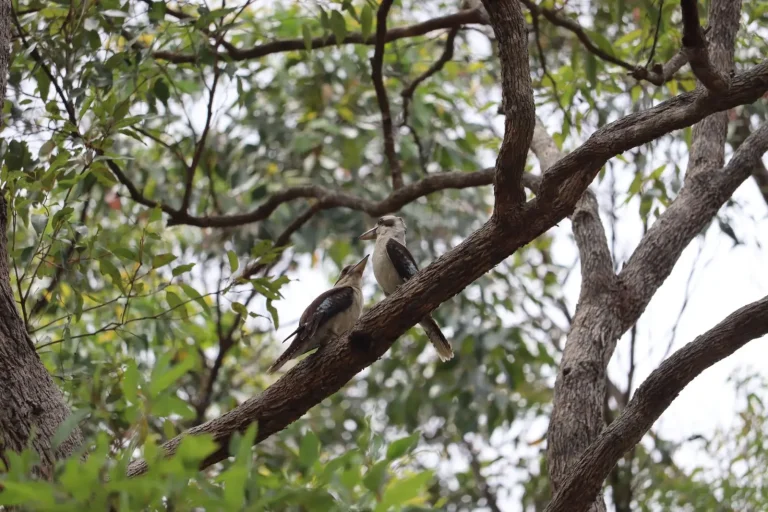
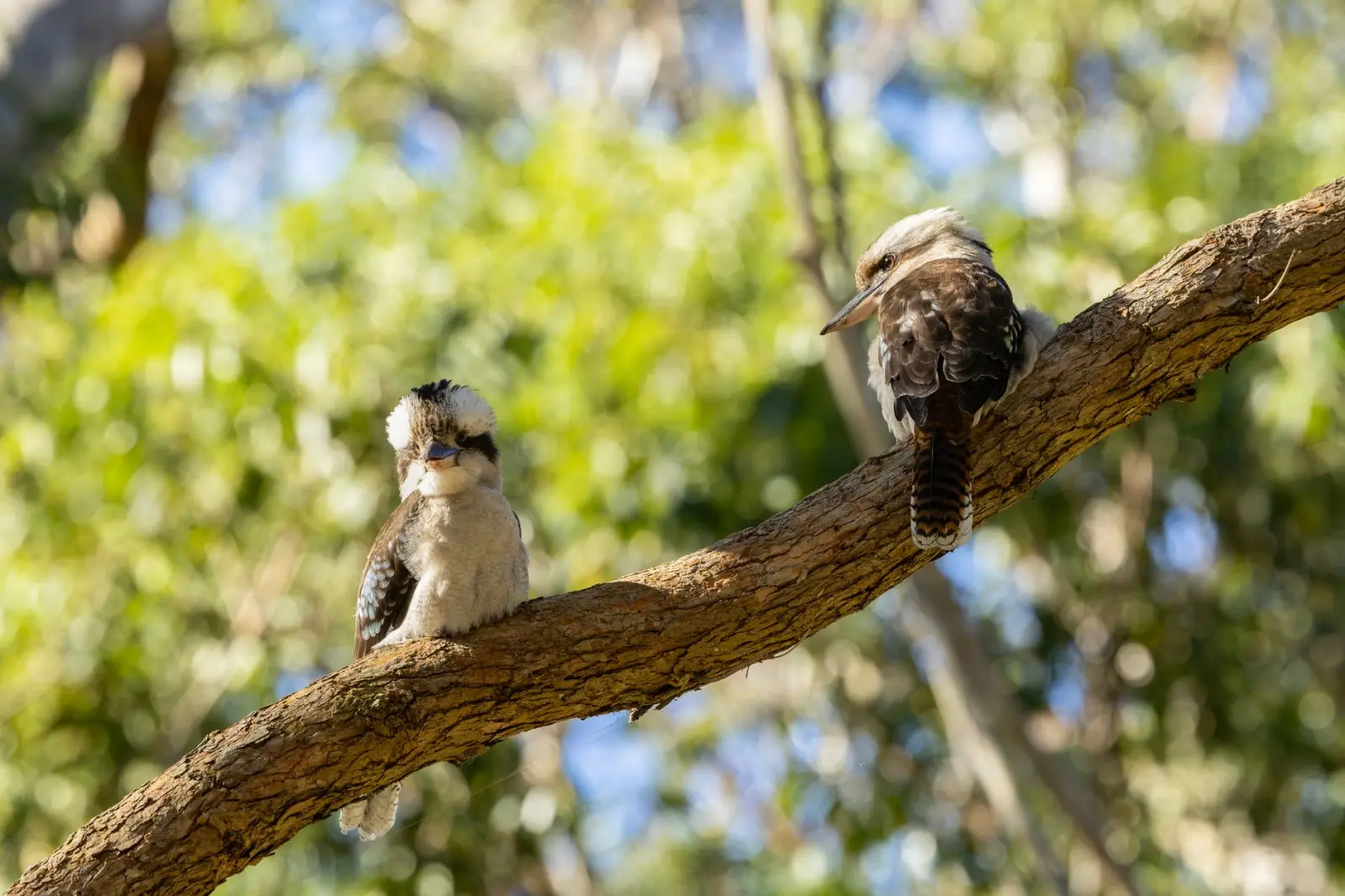
Kookaburras are everywhere. You’ll hear them before you see them – that distinctive laughing call carries across valleys and through suburban backyards alike. They’re bold, adaptable, and completely indifferent to human presence. Currawongs occupy a similar ecological niche, though they’re noisier and more aggressive around food sources. Both birds are so common that visitors often overlook them, but they’re genuinely interesting if you watch their behavior for more than a few seconds.
Lyrebirds are present in the deeper rainforest sections, particularly around the Lamington and Main Range areas. The males are exceptional mimics – they’ll reproduce the calls of other birds with startling accuracy, and occasionally you’ll hear them mimic human sounds or mechanical noises. Finding one is not guaranteed, even if you spend hours walking quietly. They’re shy, they move constantly, and they blend into the forest floor with remarkable effectiveness. When you do see one, it’s usually a brief glimpse as it moves away from you. The experience is less about observation and more about recognizing you’ve been in the presence of something remarkable.
Brush turkeys are common in the lower rainforest areas, particularly around creeks and wet gullies. They’re large, dark birds that scratch constantly at the forest floor, creating visible disturbance in the leaf litter. They’re not particularly shy, but they’re also not the kind of animal that holds your attention for long. What’s more interesting is what their presence tells you about the forest structure – they indicate areas with good soil depth and consistent moisture, which tends to correlate with richer overall biodiversity.
Mammals: Present but Elusive
Koalas exist in the Scenic Rim, but the populations are scattered and declining. You won’t stumble upon them casually. Spotting a koala requires either luck, local knowledge of specific trees they favor, or visiting during particular seasons when they’re more active. The eucalyptus trees they prefer are scattered through the region, and individual animals have home ranges measured in hectares. Most visitors who claim to have seen koalas in the Scenic Rim have either visited a wildlife facility or spent considerable time in the right locations at the right time.
Wallabies and pademelons are more frequently encountered, particularly in early morning or late afternoon when they move to feed. Pademelons especially favor the dense understorey of rainforest areas. They’re small, nervous animals that vanish into vegetation at the slightest disturbance. You’ll more often see evidence of them – tracks in soft ground, feeding signs on low vegetation – than see the animals themselves. Larger wallabies prefer more open forest edges and cleared areas.
Possums are nocturnal, which immediately limits your chances of seeing them during standard daylight walking hours. The Scenic Rim has several possum species, including brushtail possums and gliders. You might hear them moving through branches at night, or spot one in a spotlight beam if you’re doing night walks. Some accommodations and private properties have possums visiting regularly, particularly if there are fruiting trees nearby. Seeing them requires either being out at night or being in a location where they’ve become habituated to human presence.
Reptiles and Amphibians
Snakes are present but rarely encountered unless you’re actively looking or moving through tall grass during warm weather. The Scenic Rim has several venomous species – brown snakes, red-bellied black snakes, and others – but serious incidents are extremely rare. Most snakes move away from human activity. You’re more likely to hear about snake sightings from locals than to see one yourself. During cooler months, reptile activity drops significantly, which is when most casual visitors walk through the forests.
Frogs are the amphibians you’ll actually encounter, particularly if you’re out during or after rain. The Scenic Rim rainforests support numerous frog species, from tiny ground-dwelling species to larger tree frogs. Calling activity is seasonal and weather-dependent. After heavy rain in spring and summer, the noise from frog choruses can be overwhelming in some areas. During dry periods, you might hear almost nothing. The diversity is genuine – there are species found nowhere else – but experiencing it requires being in the right place at the right time with the right weather conditions.
Seasonal Patterns and Realistic Expectations
Spring and early summer bring the most visible wildlife activity. Breeding seasons drive animals to be more active and less cautious. Fruit-bearing trees attract birds and mammals. Rain events trigger amphibian activity. If you’re visiting between September and December, you’ll have better odds of encountering wildlife than during other seasons.
Winter is quieter. Many animals reduce activity in cooler weather. Deciduous trees lose leaves, which changes the forest structure and visibility. Migration patterns mean some species that were present in autumn have moved elsewhere. This doesn’t mean there’s nothing to see, but your expectations should adjust accordingly.
Timing within a day matters more than many visitors realize. Dawn and dusk are genuinely the best times for wildlife activity. Midday is typically quiet. Overcast days often produce more animal movement than clear, hot days. Rain brings activity spikes that can last hours after the weather clears. These aren’t rules – they’re patterns based on how animals respond to environmental conditions.
The Scenic Rim rainforests are genuinely biodiverse. Rare and endemic species do exist here. But experiencing that diversity requires realistic expectations about what casual observation will reveal. Most of what makes these forests ecologically significant happens at scales and timescales that visitors won’t naturally encounter. The animals that are easy to see – the common birds, the habituated wallabies – are the ones you’ll actually remember. The rest requires patience, timing, and often, acceptance that you won’t see everything despite your best efforts.