Conondale National Park sits in the Brisbane Valley west of the coast, and the rainforest here behaves differently than most people expect when they first arrive. The canopy is thick enough that light becomes a serious constraint, and the animals respond to this in ways that make spotting wildlife more about understanding timing and microhabitats than simply walking a trail and looking up. I’ve spent enough time moving through these sections to recognize that patience and specific knowledge matter far more than enthusiasm.
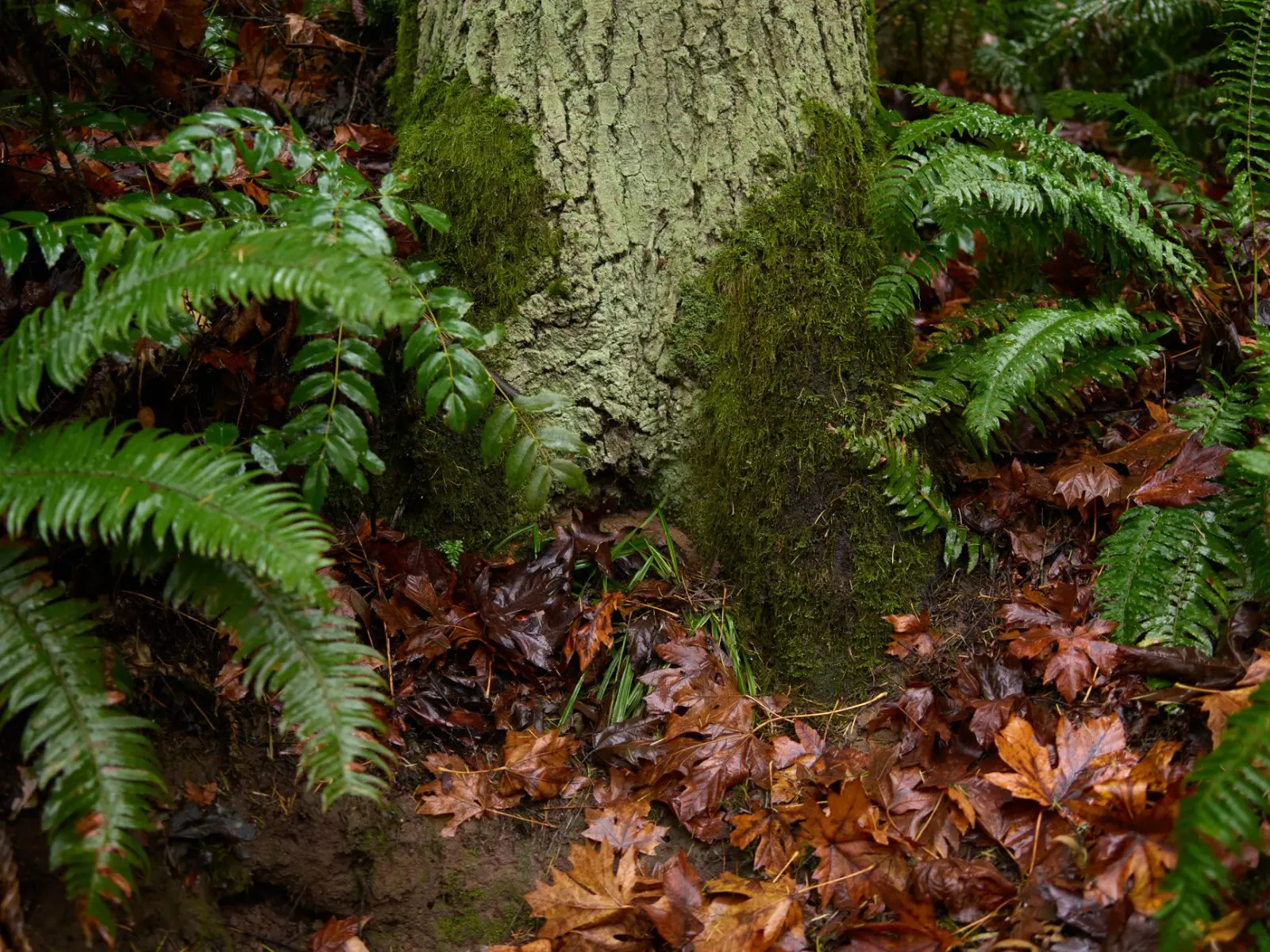
The park’s rainforest is wet sclerophyll in character, which means it’s a hybrid ecosystem. You get tall eucalypts mixed with subtropical rainforest species, and this creates a layered environment where different animals occupy distinct vertical zones. The canopy layer hosts species you’ll rarely see from ground level. The understory – that dense middle section of smaller trees, vines, and ferns – is where most of the visible activity occurs, but only during specific hours. The forest floor itself is surprisingly quiet most of the time, despite the accumulated leaf litter and rotting wood that should theoretically support abundant fauna.
What You Actually Encounter
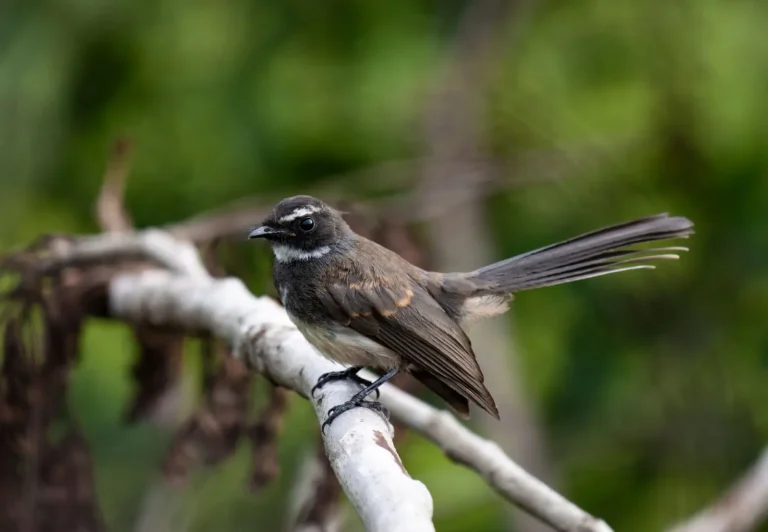
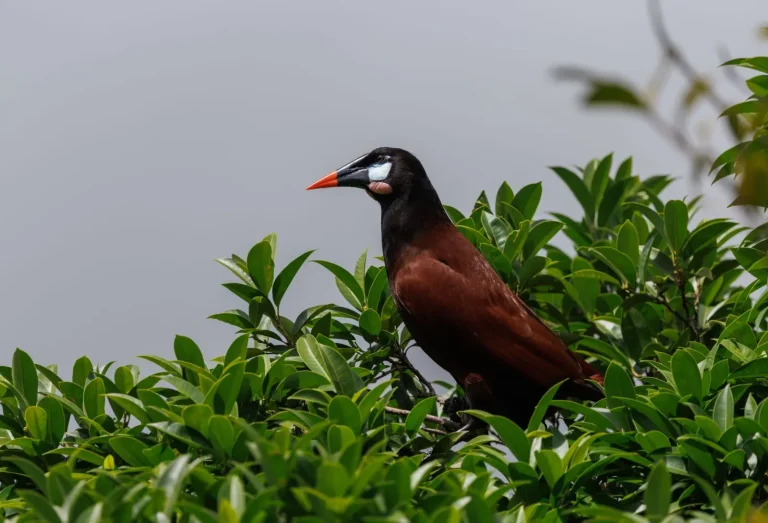
Birdlife dominates most encounters in Conondale. The rainforest supports a range of honeyeaters, lorikeets, and other species that are vocal enough to announce themselves, which makes them feel more present than they actually are. Whipbirds are common in the understory, and their distinctive call carries through the forest in a way that makes them seem everywhere. Lyrebirds occur here too, though they’re far more elusive than their reputation suggests. I’ve heard them more often than seen them, and when you do catch one, it’s usually a brief glimpse as it moves through thick scrub.
Reptiles are present but not abundant in the way that casual visitors sometimes imagine. Carpet pythons and other snakes do inhabit the forest, but encounters are infrequent enough that you could walk trails regularly and never see one. Skinks are more common in the leaf litter and along logs, particularly after rain when moisture brings them out. Frogs are seasonal – the wet season produces a chorus at dusk that’s genuinely impressive, but the dry months are much quieter.
Mammals are the real challenge. The park supports gliders, possums, and other arboreal species that are almost entirely nocturnal. Brush-tailed possums and sugar gliders are present, but you need to be out at night to have any real chance of seeing them, and even then, spotting requires luck and patience. Wallabies occur in the park, particularly in the more open sections and along creek lines, but they’re most active at dawn and dusk. During the middle of the day, the forest feels almost empty of large fauna.
Seasonal Shifts and Behavior
The wet season, roughly November through March, transforms the forest’s activity patterns. Increased moisture brings frogs out in force, and the insect population explodes, which in turn affects bird behavior. Species that are relatively quiet during dry months become vocal and visible as they feed on abundant insects. Creeks run high, and water-dependent species become more concentrated and easier to locate. However, the wet season also means mud, leeches, and reduced visibility in many sections, which complicates actual movement through the park.
The dry season from May to September produces different dynamics. The forest floor dries out, and many species shift their activity patterns. Some animals move toward permanent water sources, which concentrates them in specific areas along creeks and waterholes. This sounds like it would make wildlife viewing easier, but the opposite often occurs – the drier conditions also mean less insect activity in some areas, which can reduce the food availability that keeps animals active and visible.
Practical Realities of Movement
Walking through Conondale requires accepting that you’ll spend most of your time in dense understory vegetation where visibility is limited. The established trails are well-maintained, but even on these, you’re often moving through sections where you can only see a few meters ahead. This constraint means that wildlife spotting relies heavily on sound and movement detection rather than visual scanning of open space. Most animals detect you before you detect them, and they typically move away silently.
The forest canopy is so dense that even in midday, the light level remains low. This affects photography and makes detailed observation difficult. It also means the forest floor stays damp and cool even during dry periods, which influences which species are active and when. Early morning and late afternoon produce the most activity, partly because temperatures moderate and partly because many species have genuine crepuscular patterns.
Fatigue is a real factor that guides rarely mention. The combination of uneven terrain, humidity, and the mental effort of scanning for wildlife wears on visitors faster than they expect. Most people who spend a full day in the forest find themselves moving more slowly by afternoon, which actually can improve wildlife observation – slower movement means less disturbance and more chance encounters. But it also means that ambitious plans to cover multiple trails in one visit often don’t materialize.
What Signals Healthy Populations
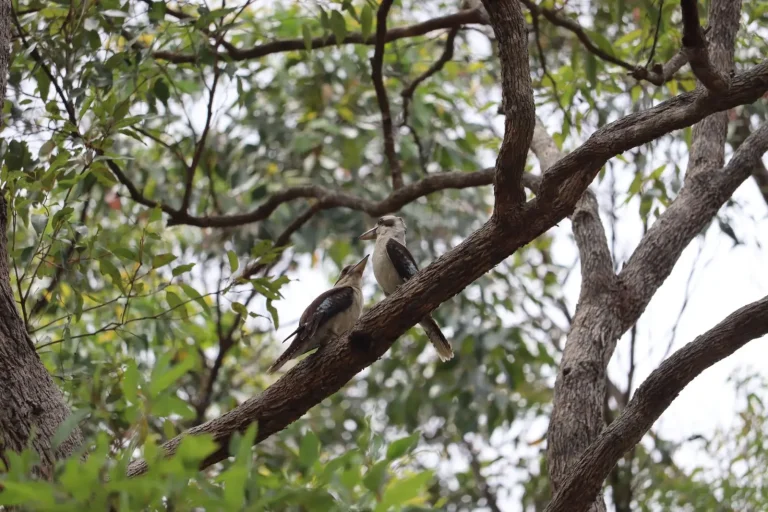
The presence of diverse bird calls throughout the day indicates a functioning ecosystem. If the forest is genuinely quiet except for a few common species, it usually signals an imbalance. In Conondale, the variety of honeyeater species, the presence of whipbirds and other understory species, and the occasional sighting of larger birds like kookaburras suggest the system is reasonably intact. The frog chorus during wet season is particularly telling – a robust chorus indicates adequate water quality and breeding habitat.
Mammal populations are harder to assess without dedicated survey work, but the presence of glider droppings in certain trees and occasional wallaby sightings suggest viable populations. The lack of obvious signs of disease or distress in observed animals is worth noting, though this is admittedly a limited observation method.
The rainforest here supports wildlife effectively because the park has size and connectivity to adjacent bushland. Smaller, isolated rainforest patches tend to lose species over time, but Conondale’s integration with the broader landscape helps maintain diversity. This doesn’t mean populations are stable or that no pressures exist – introduced species, habitat fragmentation, and climate shifts all create ongoing stresses. But for now, the park remains a functional rainforest ecosystem where wildlife patterns follow ecological logic rather than appearing random or depleted.