Northern New South Wales holds some of Australia’s most reliable rainforest and waterfall combinations, but the experience varies dramatically depending on which walk you choose and when you attempt it. I’ve spent enough time on these tracks to know that the popular ones aren’t always the best, and the conditions that make them worthwhile aren’t always obvious from a distance.
The rainforests here sit in pockets along the Great Dividing Range, from the Coffs Harbour region south toward Armidale. They’re accessible enough that you can walk them in a single day, yet remote enough that you’ll encounter genuine solitude if you time things right. The waterfalls themselves vary from year to year based on rainfall, and this matters more than most people realize when planning a trip.
Dorrigo and the Waterfall Circuit
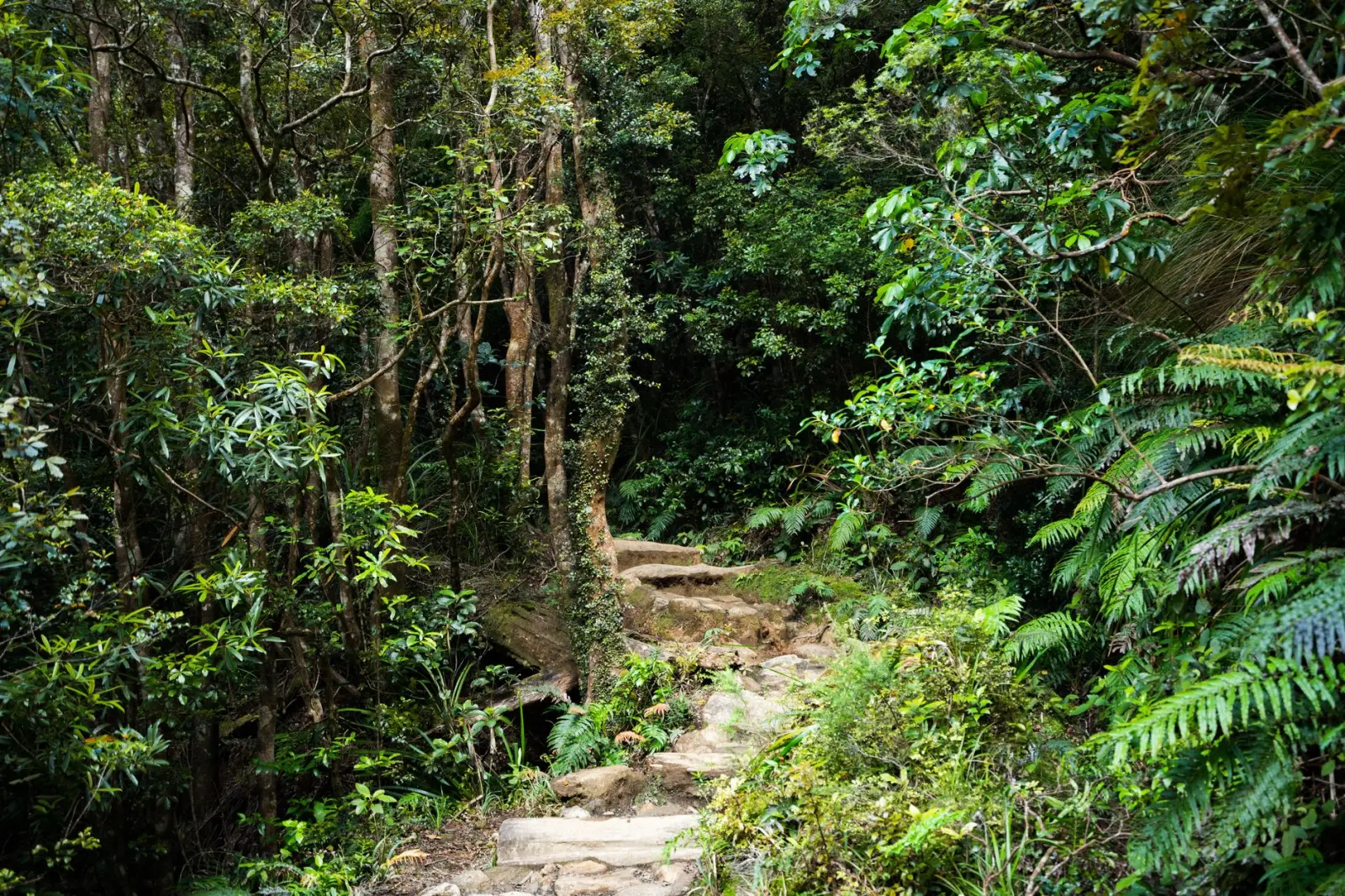
Dorrigo National Park, south of Coffs Harbour, has become the default answer for rainforest walks with waterfalls in this region. The Waterfall Circuit is well-maintained and loops through subtropical rainforest to Tristania Falls. The walk takes roughly two hours, and the track is genuinely easy to follow. What you need to know is that this walk is busy on weekends, particularly from mid-morning onward. The carpark fills by 10:30 AM on Saturdays and Sundays during school holidays.
The falls themselves are modest – nothing dramatic – but they’re consistent year-round because they’re fed by permanent springs rather than just runoff. The water is cold enough to deter casual swimming, though people attempt it anyway. The rainforest canopy is thick here, which keeps the temperature down and the humidity high. In summer, this is actually an advantage because the walk remains cool even on hot days. In winter, the track can be slippery, particularly on the descent toward the falls.
What makes Dorrigo work is the accessibility. The walk requires no special fitness, the facilities are adequate, and the rainforest itself is genuinely old-growth in places. The downside is that it’s rarely quiet, and if you’re looking for solitude or dramatic scenery, you’ll feel slightly disappointed. It’s a solid walk, not a transformative one.
Ebor and the Waterfalls Loop
Ebor, further inland toward Armidale, operates differently. The landscape here is higher altitude and cooler, with eucalypt forest giving way to subtropical rainforest in patches. The Ebor Falls area has a loop walk that connects several small waterfalls – Ebor Falls itself, along with Weir Falls and a few unnamed cascades. The full loop is around four kilometers and takes roughly ninety minutes at a steady pace.
The appeal of Ebor is that it’s genuinely less crowded than Dorrigo, and the rainforest here feels different – more temperate, with different plant species and a different quality of light filtering through. The waterfalls are smaller individually but more numerous, so you’re constantly encountering water in different forms. The track is well-marked but narrower and more technical in places than Dorrigo. This isn’t a problem if you’re reasonably fit, but it does mean you need to pay attention to your footing.
One practical note: Ebor is higher in elevation, so weather changes quickly. I’ve walked it on a clear morning and encountered mist and drizzle by mid-afternoon. The temperature can drop noticeably as you gain elevation, so layering matters more here than at lower-altitude walks. The rainforest also means less visibility of the broader landscape, so you don’t get those expansive views that some people travel for. If you’re chasing atmosphere and solitude, Ebor delivers. If you want dramatic vistas, you’ll need to look elsewhere.
Nymboida and the Gorge Walks
The Nymboida River area, west of Coffs Harbour, offers something different again. There are several walks here that descend into the gorge, with waterfalls and pools scattered throughout. The Nymboida Gorge Walk is the most accessible, dropping down to the river and following it for a section before returning. It’s roughly three kilometers and involves some elevation change on the way back up.
What distinguishes Nymboida is the water itself. The river is substantial and moves with real force, particularly after rain. The gorge walls are high and create a sense of enclosure that you don’t get at other walks in the region. The rainforest here is dense and green year-round, and the sound of water is constant. In summer, the pools are deep enough and cool enough to swim in, which is a genuine relief on a hot day.
The logistics here are slightly more complex. The carpark is small, and there’s no nearby town with services. If you need water, food, or a toilet, you need to plan for it beforehand. The walk itself is straightforward, but the terrain is uneven and can be slippery, especially if it’s rained recently. I’ve seen people underestimate this walk and struggle on the return climb, so fitness matters more than the distance alone suggests.
Seasonal Timing and Water Conditions
The waterfalls in northern NSW respond dramatically to rainfall. After heavy rain, they’re impressive and powerful. During dry spells, some of the smaller cascades reduce to trickles. This isn’t a minor detail – it affects whether a walk feels worthwhile. Dorrigo and Ebor are more reliable because they’re fed by permanent water sources, but even these can vary. Nymboida is more seasonal, and the experience in February can be very different from the experience in October.
Spring (September to November) is generally the sweet spot. There’s been enough winter rainfall to keep the waterfalls flowing, the temperature is moderate, and the vegetation is actively growing, so the rainforest feels particularly lush. Summer can be hot and humid, which some people enjoy and others find exhausting. Autumn is pleasant but drier, so water levels tend to drop. Winter is cool and sometimes wet, which means the walks are less busy but also more challenging underfoot.
Access and Practical Considerations
Getting to these walks requires a car. Public transport to the trailheads is minimal to nonexistent. The roads are generally well-maintained, but some of the access roads to smaller walks can be narrow and winding. GPS or a good map is essential, particularly for the less-frequented walks. Mobile signal is unreliable in the gorges and deep rainforest, so don’t rely on your phone for navigation.
The walks themselves are day trips. There’s no overnight camping at the trailheads, though there are caravan parks and accommodation options in nearby towns like Dorrigo, Ebor, and Nymboida. Bring water – more than you think you’ll need. The rainforest keeps things cool, but you’ll still sweat, and the walks are long enough that dehydration becomes a real issue if you’re not careful. Insect repellent is worth carrying, particularly in summer when mosquitoes and leeches can be active after rain.
The tracks themselves don’t require special equipment. Good walking shoes with grip are essential because of the wet, uneven terrain. Poles can help on the steeper sections, particularly on the descent. A light rain jacket is useful even when the forecast looks clear, because weather in the rainforest can change quickly and unexpectedly.
After multiple walks across this region, the pattern becomes clear: each walk offers something different, and the “best” one depends on what you’re actually looking for. Dorrigo is the most accessible and reliable. Ebor offers better solitude and a different ecological experience. Nymboida delivers the most dramatic water and gorge scenery. None of them are particularly difficult, but all of them demand respect for the terrain and conditions. The rainforest itself is the real draw – the sound, the smell, the light filtering through the canopy – and that experience is consistent across all of them.