The first time I encountered one of Australia’s giant earthworms was in the wet tropics of Queensland, half-buried in sodden leaf litter after heavy rain. It was longer than my forearm and thick as a fountain pen – nothing like the earthworms most people know from temperate gardens. I stood there for a moment, genuinely uncertain whether it was an earthworm or a small snake. That hesitation is common among travelers and even locals who haven’t spent time in rainforest environments. These creatures exist, they’re substantial, and they’re far less common than they once were.
Australia is home to several species of giant earthworms, most of them confined to the subtropical and tropical rainforests of the east coast. The largest and most notable is Megascolides australis, found in the wet forests of southeastern Queensland and northern New South Wales. There’s also Terriswalkeris, another genus of large species, and several others that remain poorly documented. What distinguishes them from ordinary earthworms isn’t just size – it’s their behavior, their habitat requirements, and their ecological role. These aren’t opportunistic generalists that thrive in disturbed soil. They’re specialists adapted to undisturbed, moisture-rich forest environments.
Size and Physical Reality
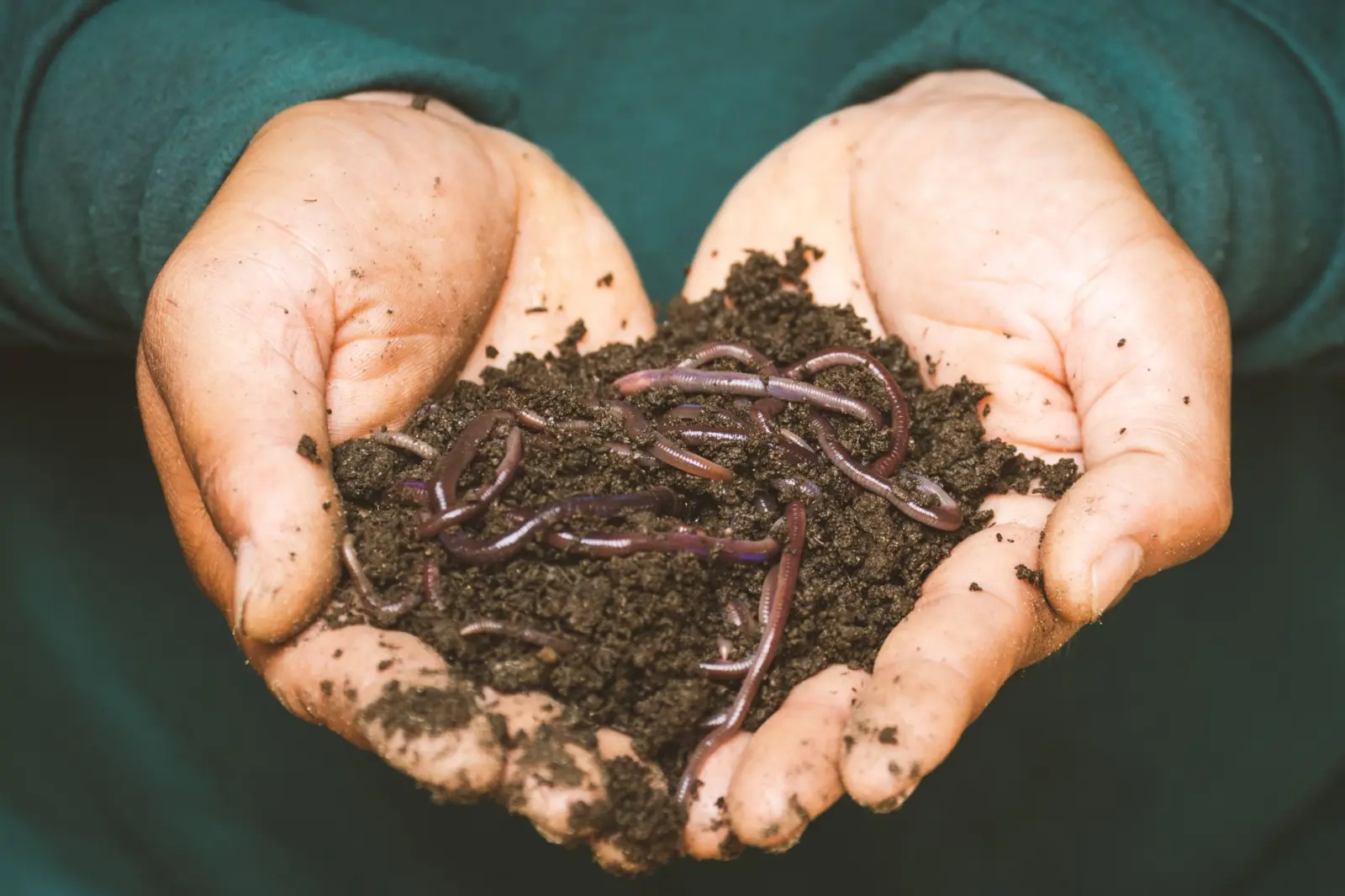
Giant earthworms can reach lengths of two meters or more, though most specimens encountered in the field fall between one and one-and-a-half meters. Their diameter is substantial – often 8 to 12 millimeters – which makes them visibly different from the smaller species people encounter in gardens or compost. The body is typically a pale pinkish or brownish color, and the texture is smoother than you might expect. When disturbed, they move deliberately, not frantically. There’s something deliberate about their locomotion that reinforces how different they are from smaller earthworms.
What’s often overlooked is that size alone doesn’t determine their visibility. These worms spend most of their time deep in the soil, sometimes at depths of a meter or more. They surface primarily during or immediately after heavy rain, when soil saturation drives them upward. This is why sightings cluster around particular times of year and particular weather patterns. If you’re walking through rainforest during a dry spell, you won’t see them regardless of how abundant they are. The wet season – November through March in most Australian rainforest regions – is when encounters become more likely, though still far from guaranteed.
Habitat and Distribution
These worms are not found everywhere in Australian rainforests. They require specific conditions: deep, undisturbed soil with consistent moisture, high organic matter content, and stable leaf litter accumulation. They’re most common in old-growth or mature secondary rainforest where the forest floor has developed over decades. Disturbed areas, cleared land, and even some younger regenerating forest lack the soil structure these species need. This specificity is important for anyone traveling through rainforest regions. You won’t find giant earthworms in every wet forest, and their presence or absence tells you something about the age and condition of the forest you’re walking through.
The geographic range is limited. The main populations occur in a relatively narrow band along the Queensland coast and into northern New South Wales. Isolated populations exist in other rainforest pockets, but they’re not widespread across Australia’s tropical regions. This concentration makes them vulnerable. Unlike species with broad distributions, a localized threat – habitat loss, climate shifts, soil degradation – can affect a significant proportion of the total population.
Ecological Function and Soil Dynamics
Giant earthworms are ecosystem engineers in ways that smaller earthworms simply aren’t. Their size and burrowing behavior create substantial vertical channels through the soil profile. These burrows persist even after the worm moves or dies, creating pathways for water infiltration, root penetration, and microbial movement. In rainforest soils that can become waterlogged, this drainage function is not trivial. The worms also consume vast quantities of organic matter and process it through their bodies, altering soil chemistry and structure in ways that ripple through the entire ecosystem.
Their feeding behavior differs from smaller earthworms. Giant species are often selective feeders, preferring particular types of leaf litter or organic material. They can take weeks to process a single feeding event, and their movements through the soil are measured and methodical. This slower metabolism and deliberate behavior means they’re less adaptable to rapid environmental changes than smaller, faster-reproducing species. If conditions shift – if moisture patterns change, if leaf litter composition alters – these worms can’t simply adjust their strategy. They’re locked into a particular ecological niche, and that inflexibility is a vulnerability.
Threats and Decline
Giant earthworm populations have declined substantially over the past several decades. Habitat loss through land clearing is the most obvious factor, but it’s not the only one. Soil disturbance from logging, even selective logging, disrupts the soil structure these worms depend on. Introduced predators, particularly flatworms and other invertebrates brought in with soil or plant material, prey on native earthworms. Changes in rainfall patterns and moisture availability, whether from climate change or from landscape-level alterations to water cycling, affect populations directly. A rainforest that becomes slightly drier, even if it remains technically “rainforest,” may no longer support these species.
Chemical inputs also matter. Pesticides, fungicides, and other compounds used in nearby agricultural areas can leach into forest soils. These worms have no mechanism to detoxify or avoid such compounds – they’re simply exposed to whatever enters their soil environment. This is why giant earthworm populations tend to be healthier in rainforests that are geographically isolated from intensive agriculture, even if those forests are relatively small.
Encountering Them: Practical Observations
If you’re traveling through Australian rainforest and hoping to see a giant earthworm, timing and weather are everything. Visit during the wet season, and ideally during or within a day or two of heavy rain. Walk through the forest floor in the early morning, when soil moisture is highest and the worms are most likely to be near the surface. Look in areas with deep leaf litter and undisturbed soil – not along the main walking tracks where foot traffic has compacted the ground, but in the spaces between. Move slowly and deliberately. These worms don’t move quickly, so you’re not looking for something darting away. You’re looking for a thick, pale form half-buried in the litter.
If you find one, leave it alone. These worms are sensitive to handling, and unnecessary disturbance can cause stress or injury. Photographing from a distance is fine. Touching or moving them is not. They’re not dangerous – they won’t bite or sting – but they’re also not robust enough to tolerate casual interaction. This restraint matters. Every sighting represents an individual from a declining population, and every individual matters for population persistence.
The rarity of encounters, even in suitable habitat, reflects the genuine scarcity of these animals. Decades ago, travelers and local residents would encounter giant earthworms with some regularity. Now, many people spend considerable time in rainforests and never see one. This shift is real, and it’s a marker of broader ecological change in Australian rainforest systems. The presence of giant earthworms indicates a forest that’s functioning well – undisturbed, stable, and ecologically intact. Their absence suggests something has shifted, even if the forest still looks green and intact to a casual observer.