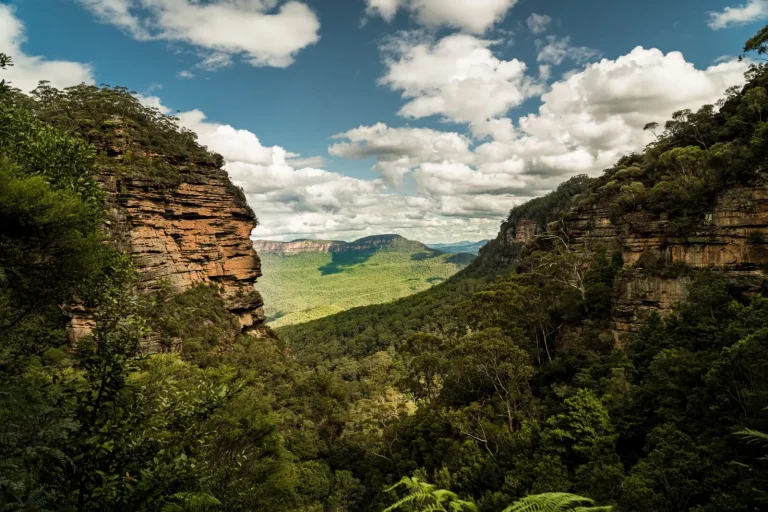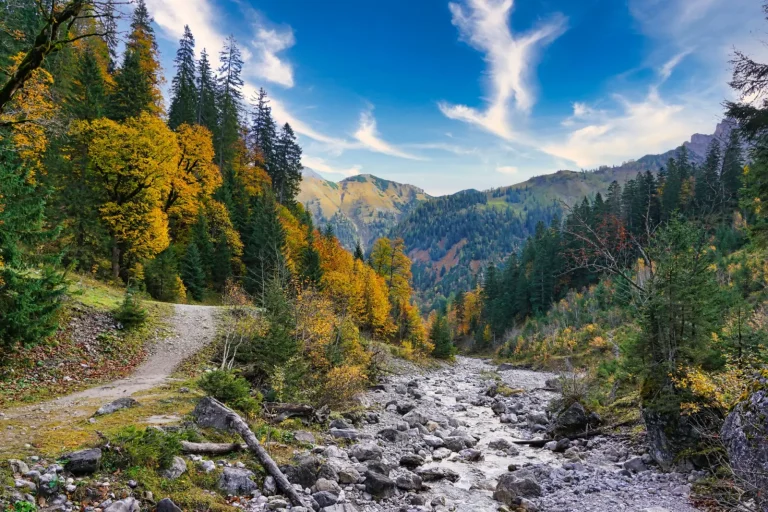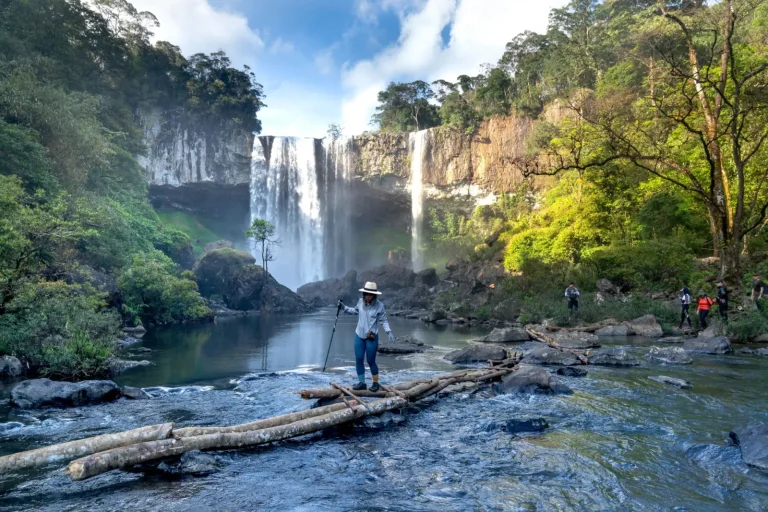

The forests around Dorrigo Plateau occupy a particular zone in northern New South Wales where subtropical rainforest meets open woodland, and the walking experience shifts depending on which trails you choose and what time of year you attempt them. I’ve spent considerable time moving through these forests, and the reality is quite different from how they often appear in promotional material. The terrain is demanding in ways that aren’t always obvious until you’re actually navigating it.
The plateau sits at around 770 metres elevation, which means the temperature and humidity feel noticeably different from the coastal lowlands nearby. What strikes most walkers first is the density of the vegetation. The forest floor isn’t open and park-like. It’s cluttered with fallen logs, exposed root systems, and dense understory growth that makes each step require attention. The ground is rarely flat for any sustained distance. You’re constantly moving up and down minor rises, stepping over obstacles, or picking your way through sections where the trail has become eroded into a shallow channel.
The Reality of Trail Conditions
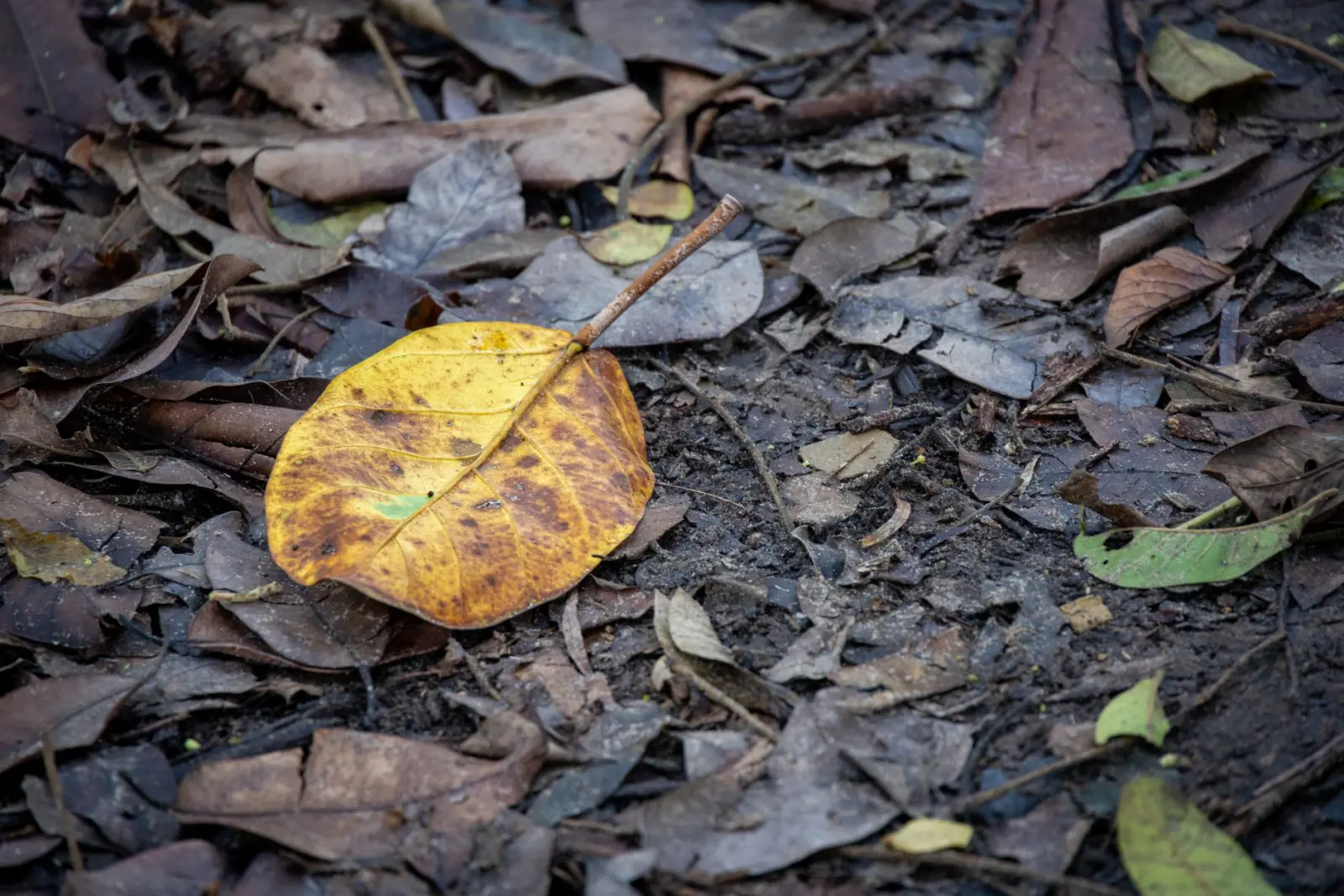
The main walking tracks around Dorrigo are reasonably well-maintained, but “well-maintained” in this context means the vegetation is cut back regularly and major hazards are cleared. It doesn’t mean smooth or easy underfoot. The trails themselves are often muddy, even days after rain has stopped. The soil here holds moisture for longer than you’d expect, and the dense canopy means water doesn’t evaporate quickly. I’ve walked these tracks in what seemed like dry conditions only to find sections that were essentially bog.
Footwear matters more than many people realize. Regular hiking boots work, but the soles need genuine grip. The combination of mud, moss-covered rocks, and wet leaf litter creates surfaces that are genuinely slippery. I’ve seen walkers in trail runners or light shoes struggle significantly more than those in proper boots with aggressive tread. The rocks that form natural steps on steeper sections are often slick with moisture and algae growth, even in the middle of a dry spell.
Navigation is straightforward on the main loop trails, but it’s worth understanding that the forest canopy is thick enough that GPS can be unreliable in places. The trails are marked, but the markers aren’t constant. You’ll walk for twenty minutes seeing regular blazes, then hit a section where they’re sparse. This isn’t dangerous if you’re paying attention to the trail itself, but it does require active engagement with your surroundings rather than the passive following that works on more developed tracks.
Weather and Timing Considerations
The plateau’s elevation gives it a different weather pattern than the surrounding region. Mornings are often misty, which can be atmospheric but also means visibility is limited and the forest feels more enclosed. By mid-morning, the mist usually burns off, but the canopy is so dense that the light remains diffuse and grey even on sunny days. This affects both how you perceive distance and your sense of time passing. A three-hour walk can feel longer because the visual environment doesn’t change much.
Rain in this forest isn’t a minor inconvenience. The canopy intercepts some of it, which sounds good until you realize that water drips from leaves for an hour or more after rain stops. You can walk out of active rain into what feels like continued rainfall from above. The trails become significantly more challenging within an hour of rain ending. I’ve found that walking here within six to eight hours of rain is noticeably more difficult than waiting longer. The mud is deeper, the rocks are more treacherous, and the general friction between your boots and the ground is reduced.
Temperature swings are real here. The elevation and forest density mean that even on warm days at lower elevations, the plateau can feel cool, particularly in the morning or late afternoon. The humidity is typically high, which affects how your body regulates temperature. You’ll often feel warmer than the actual temperature suggests, and cooling down during a rest stop happens slowly. I’ve seen walkers underdress for the plateau based on coastal conditions and then spend the walk feeling uncomfortable in the cooler, more humid environment.
Distance and Pacing Reality
The main loop walks around Dorrigo are typically described as four to six kilometres, depending on which sections you include. These distances are accurate in terms of ground covered, but they don’t reflect the actual time required. The terrain and constant minor elevation changes mean that walking pace is slower than on more open trails. A distance that might take ninety minutes on a well-maintained lowland track can easily take two and a half to three hours here. This isn’t because walkers are slow. It’s because the terrain genuinely demands a slower pace.
Fatigue accumulates differently in this environment. The constant attention required for footing, the slightly cooler temperature that prevents overheating but also means you’re working harder to maintain warmth, and the visual monotony of the forest all contribute to mental fatigue that can feel more pronounced than physical tiredness. I’ve noticed that walkers often underestimate how tired they’ll feel after a forest walk here compared to an equivalent distance on more open terrain.
What You Actually Experience
The forest itself is genuinely interesting if you’re paying attention. The mix of tree species changes as you move around the plateau. Sections with tall, straight trees give way to areas where the growth is more tangled and complex. You’ll see different fern species, moss coverage that varies dramatically depending on moisture and light, and occasional glimpses of wildlife if you’re quiet and patient. The birdlife is active, though often heard rather than seen in the dense vegetation.
The trails offer occasional clearings or viewpoints where you can see out across the surrounding landscape. These moments matter more than you’d expect. After walking through dense forest, reaching a point where you can see distance provides psychological relief and helps orient yourself within the larger geography. The views aren’t dramatic, but they’re genuine breaks in the visual monotony.
Walking these forests requires accepting that you’re moving slowly through a landscape that doesn’t change rapidly. This isn’t a flaw in the experience. It’s simply what the environment offers. The value lies in the engagement with the terrain itself, the gradual awareness of the forest’s structure and complexity, and the physical reality of moving through a landscape that demands attention and care. The walks around Dorrigo Plateau aren’t quick or easy, but they’re substantive in a way that reflects the genuine demands of subtropical forest terrain.