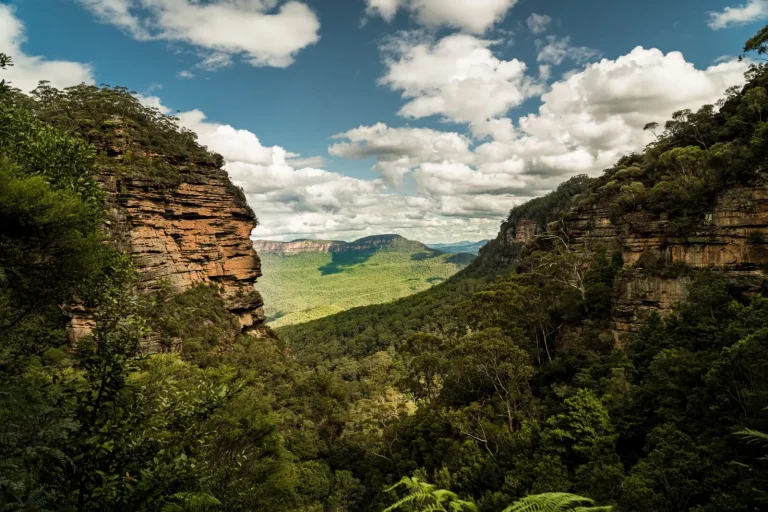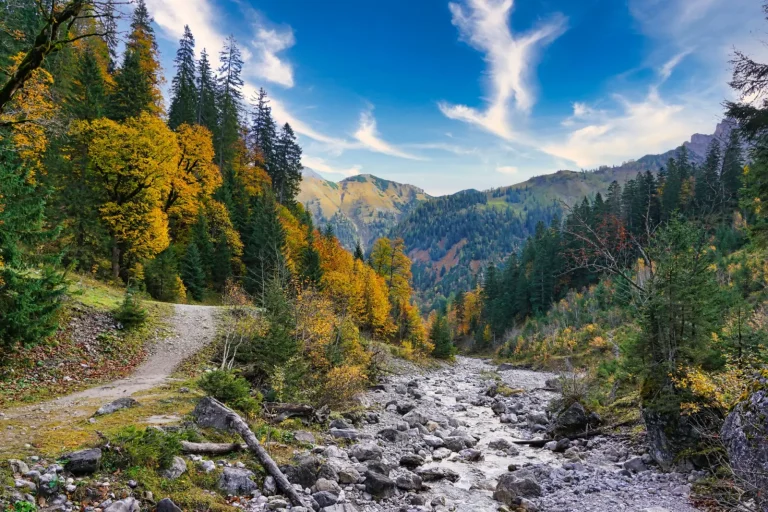

The rainforest around Dorrigo sits in a pocket of the Dorrigo Plateau where the landscape still feels genuinely wild. I’ve walked these trails across different seasons and times of day, and what strikes me most is how quickly the forest changes character depending on where you are and when you visit. The walks here aren’t dramatic in the way some Australian bushwalking is – no cliff edges or summit views – but they’re absorbing in a way that rewards attention.
Most people arrive expecting a straightforward nature walk and find themselves navigating mud, fallen trees, and sections where the track narrows to something barely wider than a foot path. This isn’t a problem, but it’s worth knowing before you start. The rainforest doesn’t maintain itself like a suburban park. Weather moves through quickly, and what was passable last week can be slippery or partially blocked by debris this week.
Dorrigo National Park and the main circuit
The most accessible walk is the loop that starts from the national park visitor area. It’s roughly five kilometres if you do the full circuit, though most people break it into sections. The track itself is well-maintained by the park service, with steps in steeper sections and boardwalk over the muddiest parts. This matters because without those interventions, the walk would be significantly harder and slower.
The forest canopy here is genuinely tall. Coachwood and brush box dominate, with vines hanging between trees in ways that look theatrical until you realise they’re just normal. The understory is dense enough that you rarely see far ahead, which creates a particular kind of immersion – you’re moving through the forest rather than observing it from a distance. The air is consistently humid and cool, even on hot days outside the forest.
Timing matters more than most people anticipate. Early morning walks are quieter and the light is softer, but the track tends to be wetter from overnight moisture. Mid-morning is often the sweet spot – the sun has had time to dry the surface layers, but you’re not walking in the heat of the day. By afternoon, the forest is warm and the light becomes dappled and golden, but fatigue is more noticeable over the longer sections.
Crystal Shower Falls and the steeper approach
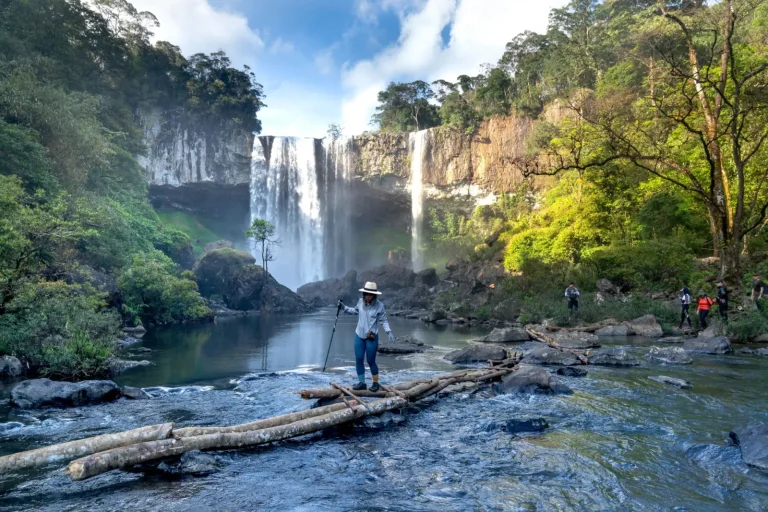
This walk is shorter but noticeably steeper than the main circuit. The track drops down to a waterfall and pool, and the descent is genuine – you’re using tree roots and steps cut into the slope. The return climb is where people feel it, particularly if they’ve underestimated the effort or overestimated their fitness. I’ve seen people turn back halfway through, not because they couldn’t do it, but because the combination of mud, slope, and fatigue became too much.
The falls themselves are modest most of the year. In heavy rain they’re more dramatic, but the track also becomes significantly more hazardous. The rock around the pool is slippery even in normal conditions, and there’s a genuine risk of slipping if you’re not paying attention. The water is cold year-round – it’s fed by underground springs – and while it’s tempting to wade or swim, the pool is deeper than it looks and the current can be stronger than expected after rain.
What makes this walk worth doing is not the falls themselves but the forest on the descent. You pass through sections where the rainforest is denser and the trees are older. The light changes as you drop elevation, and you start to notice bird calls that aren’t present higher up. The walk takes roughly 90 minutes return, which is manageable but doesn’t leave much buffer if things go slowly.
The Rosewood Creek track and longer options
If you want to spend more time in the forest without the crowds, Rosewood Creek offers a different experience. The track follows a creek bed for much of its length, which means you’re navigating around rocks and tree roots constantly. It’s slower going than the main circuit, and the terrain is more technical. Your feet will get wet at some point – either from creek crossings or from the perpetual dampness of the forest floor near water.
This walk is less maintained than the main park tracks, which means fallen trees are more common and the path can be hard to follow in places. It’s not lost-in-the-bush difficult, but it requires attention. I’ve found that people who enjoy this walk are those who like the process of moving through the landscape rather than reaching a destination. There’s no waterfall or viewpoint at the end, just more forest.
The creek itself is worth watching. In dry periods it’s a trickle, but after rain it moves fast and the water is brown with tannins. The forest around it is noticeably different from the drier ridges – more ferns, more moss, more sense of everything being actively growing and decaying simultaneously. It’s the part of the rainforest that feels most alive and least managed.
Practical realities and what to bring
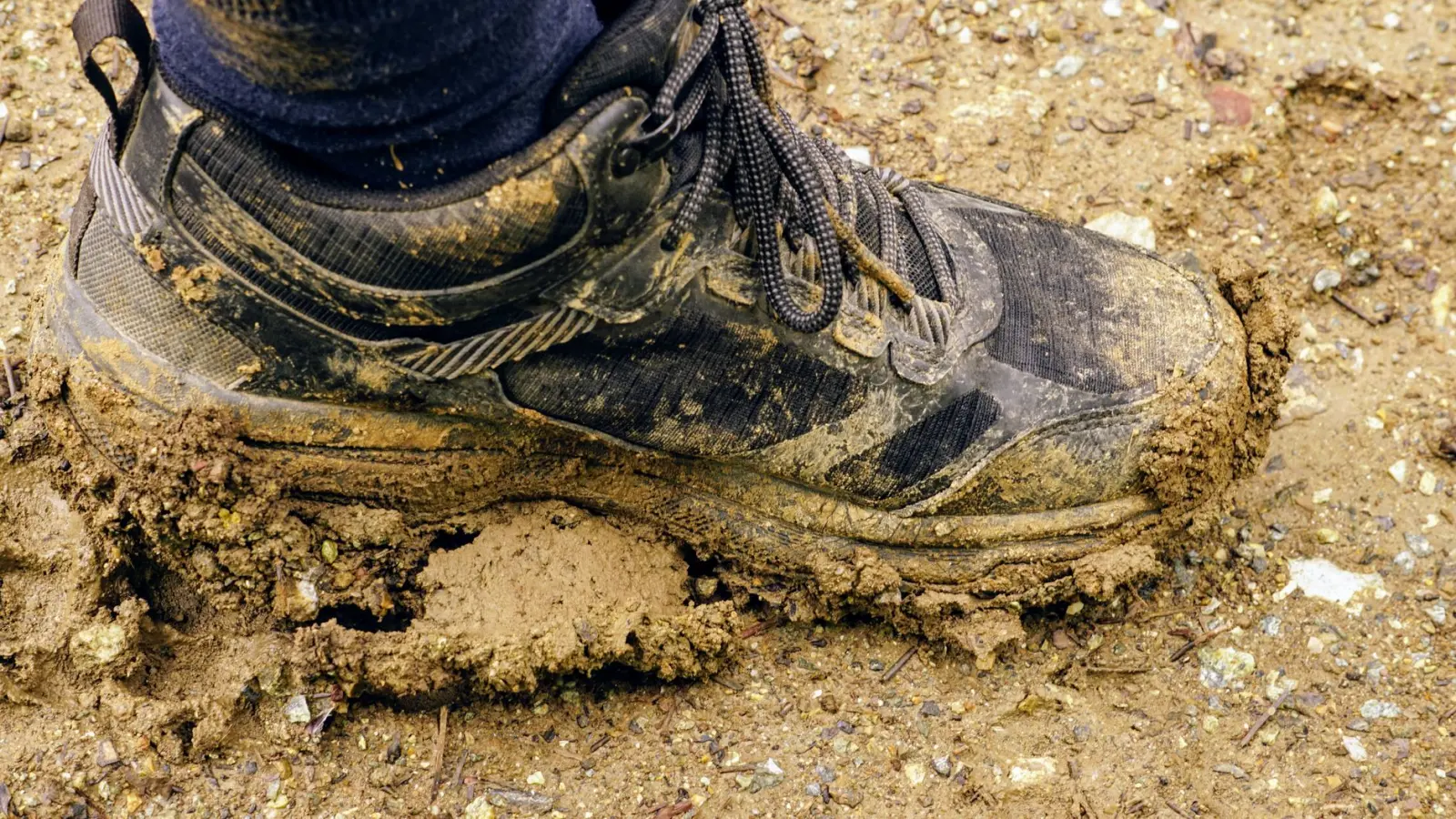
The mud here is real and persistent. Even on tracks that look dry, there are sections that hold water. Good footwear makes an enormous difference – not for grip so much as for confidence. Slipping isn’t usually dangerous, but the psychological effect of nearly losing your footing every few steps wears you down faster than the actual walking.
Water is essential. The forest creates a false sense of coolness, and dehydration creeps up on you. Carrying at least two litres is sensible for any walk longer than an hour. The creek water is drinkable if you’re desperate, but it’s not something I’d rely on.
Insects are present but not aggressive. Leeches appear in wet periods, usually on lower legs and socks rather than skin. They’re more of a nuisance than a danger. Mosquitoes are occasional, particularly near the creek. Sunscreen is irrelevant – the canopy blocks nearly all direct sun – but insect repellent can be useful.
The biggest variable is weather. The plateau sits high enough that weather can change quickly, and the forest retains moisture, making it feel colder and wetter than the surrounding lowlands. Light rain doesn’t stop most walks, but heavy rain makes the tracks genuinely slippery and visibility poor. Wind can be surprisingly strong in the canopy, and branches come down occasionally.
Fitness and pacing
These walks suit a wide range of fitness levels if you’re honest about your pace. The main circuit is achievable for most people if you allow three to four hours and don’t rush. The steeper walks like Crystal Shower Falls require more leg strength and cardiovascular fitness, but they’re short enough that determination often gets people through.
The real limiter is usually not fitness but mental fatigue. Walking on uneven ground with constant attention to footing is tiring in a way that flat walking isn’t. After two hours on a rainforest track, most people are ready to stop, regardless of their fitness level. This is normal and worth accepting rather than fighting.
The best approach is to pick a walk that matches your actual energy and interest level, not the one that sounds impressive. A slow, attentive walk through the forest is more rewarding than a rushed attempt at something longer. The rainforest doesn’t reward speed, and it reveals itself better to people moving slowly enough to notice detail.