The Dorrigo Plateau sits in a particular ecological pocket of northern New South Wales, where subtropical rainforest transitions into eucalypt woodland. After spending considerable time moving through this landscape, I’ve found that what actually lives here often surprises visitors more than the standard field guide suggests. The plateau isn’t a pristine wilderness – it’s a working ecosystem shaped by isolation, altitude, and a long history of land use. Understanding what you’re likely to encounter requires moving past the idea of “rainforest animals” as a generic category and recognizing the specific pressures and opportunities that define this place.
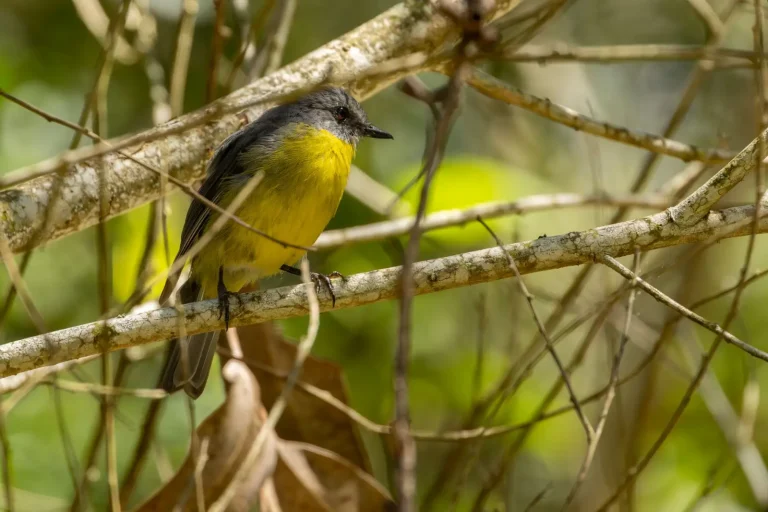
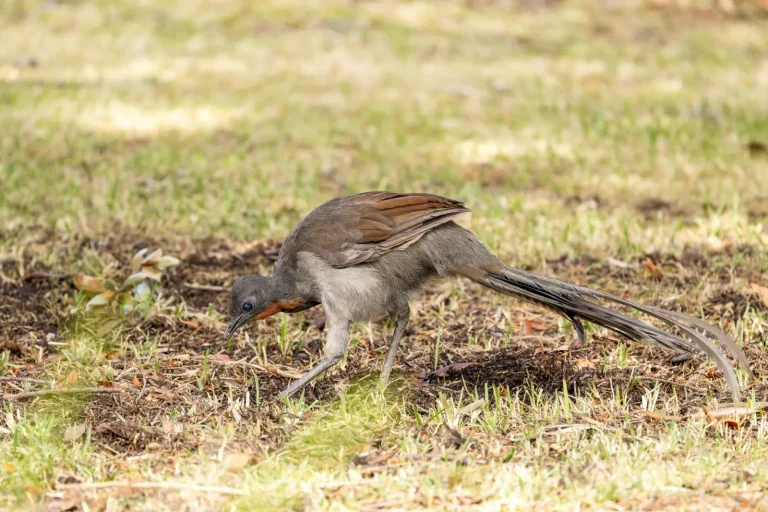
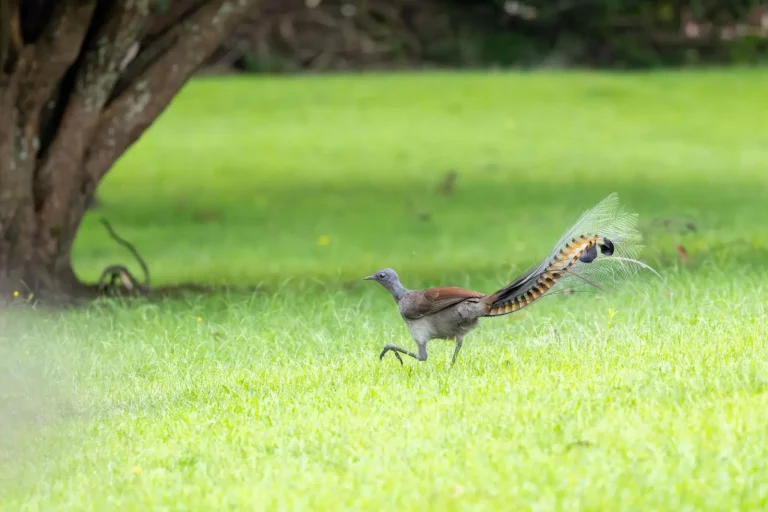
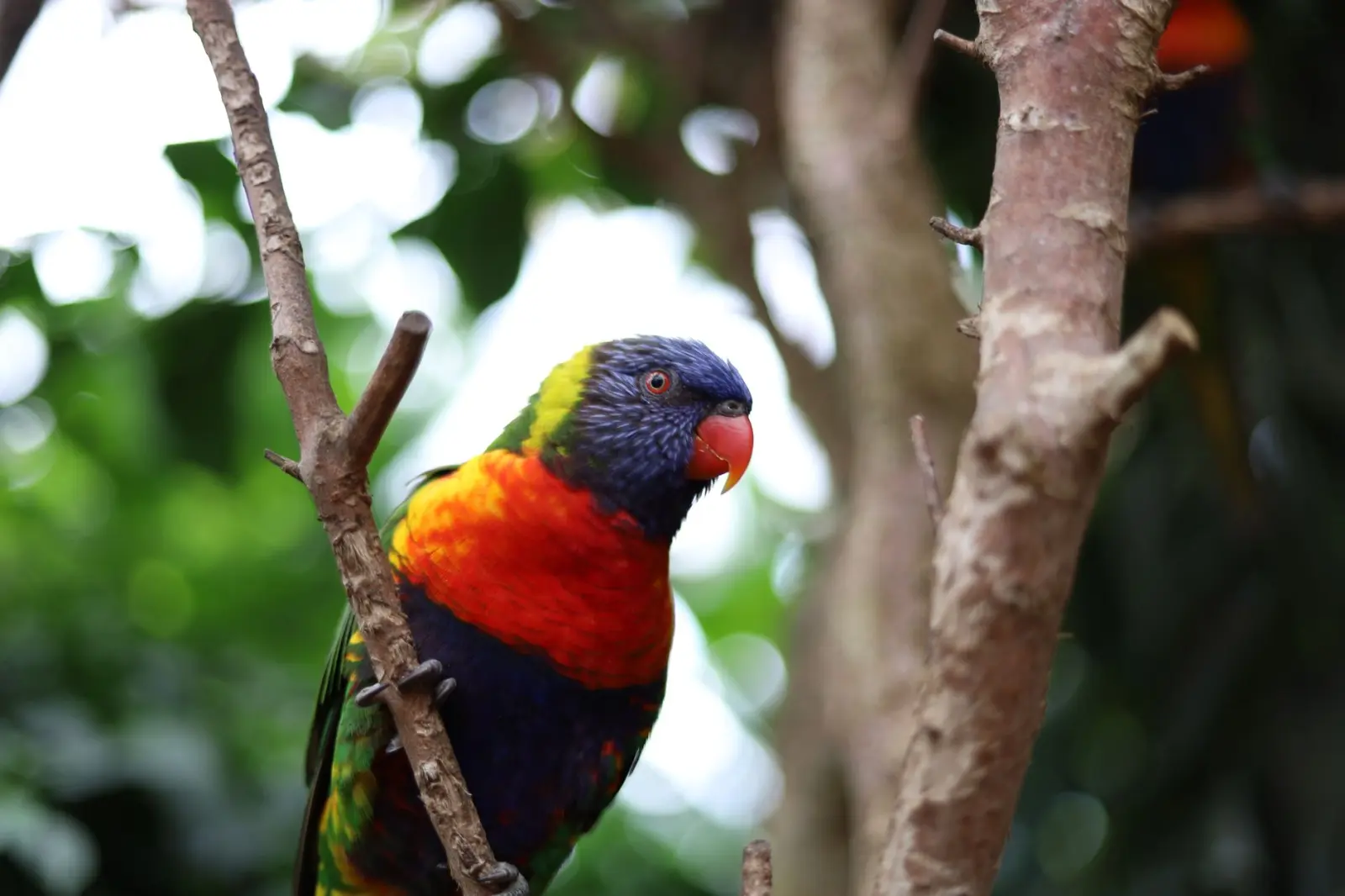
The most immediate presence is avian. The plateau’s bird populations are dense and vocal, particularly in the early morning and late afternoon. You’ll hear them before you see them – the harsh calls of kookaburras, the repetitive chiming of bellbirds, and the almost mechanical sounds of various honeyeaters working through flowering trees. What strikes most people is the sheer noise level in certain pockets, especially around flowering eucalypts or native trees in fruit. This isn’t background ambiance; it’s a genuine acoustic landscape that changes with season and time of day. Bowerbirds are present but elusive – you’re more likely to stumble on their display grounds (carefully cleared patches of ground decorated with objects) than to see the birds themselves. The plateau also supports several species of lorikeets and parrots that move through in feeding flocks, particularly when native fruits are available.
Mammals: Present but Cryptic
Mammalian fauna on the plateau tends to be nocturnal or crepuscular, which means most daytime visitors won’t encounter them directly. Possums are common – you’ll hear them moving through the canopy at night, and their calls (particularly the sharp, almost aggressive sounds of brushtail possums) are unmistakable once you know what to listen for. Sugar gliders exist here but are genuinely difficult to spot; their presence is more often confirmed through scat and feeding marks on trees than through direct observation. Wallabies and small macropods use the plateau, particularly in areas where the forest opens into grassy patches. I’ve encountered them most reliably at dusk or early dawn, moving through transitional zones between forest and open country.
Introduced species have become part of the ecological reality here. Feral pigs cause visible damage to the forest floor, rooting through soil and leaf litter in ways that disrupt native understory plants. Foxes are present and affect smaller mammal populations, though their impact is less obvious to casual observation. These aren’t minor complications to the “natural” ecosystem – they’re integral to how the plateau functions now. Understanding the plateau’s wildlife means acknowledging this mixed landscape rather than imagining a pristine alternative.
Reptiles and Amphibians
The plateau’s moisture levels support a reasonable diversity of reptiles and amphibians, though they’re not uniformly distributed. Pythons occur here – carpet pythons primarily – and while they’re not aggressive, encountering one while walking through dense undergrowth is genuinely startling. They tend to be more active in warmer months and are generally encountered by accident rather than through deliberate searching. Smaller lizards are common in open areas and along forest edges. Skinks of various species move through leaf litter, and blue-tongue lizards appear occasionally in more open sections of the plateau.
Frogs are particularly active during and after rain, especially in the warmer months. The calls can be intense – a chorus of different species creating a soundscape that’s almost overwhelming if you’re not expecting it. The plateau’s creeks and seepage areas support several frog species, some of which are restricted to this region or nearby areas. Tadpoles and developing frogs are visible in shallow water during the breeding season, but the adults themselves are more often heard than seen.
Invertebrates and the Overlooked Majority
The invertebrate fauna is where the plateau’s biodiversity genuinely concentrates, though this is rarely what people think about when they imagine rainforest wildlife. Insects are everywhere – in the canopy, on the forest floor, in the soil. Beetles alone represent an enormous portion of the fauna, many of them undocumented or poorly understood. Spiders are abundant and diverse; many are harmless despite their size and appearance. Leaf-cutter ants work through certain areas, and their trails and nest structures are visible if you know what to look for. Cicadas create intense noise during summer months, particularly in the afternoon heat.
What often goes unnoticed is how seasonal these invertebrate populations are. In cooler months, activity drops noticeably. Certain insects appear only at specific times, triggered by rainfall or temperature changes. This seasonality affects everything up the food chain – birds alter their behavior based on invertebrate availability, and the overall “feel” of the plateau shifts with these changes. A visit in June will be a completely different experience from a visit in December, not just in terms of comfort but in terms of what wildlife you’ll actually encounter.
Seasonal Patterns and Practical Reality
The plateau’s wildlife follows distinct seasonal rhythms that matter for anyone spending time here. Spring and early summer bring increased activity across most groups – more birds calling, more insects visible, more reptiles moving around. Autumn can be surprisingly quiet, particularly in March and April when many breeding cycles have concluded. Winter is genuinely quiet; the plateau doesn’t shut down, but activity levels drop significantly, and many visitors are surprised by how subdued things become.
Rainfall patterns affect wildlife visibility more than most people expect. After heavy rain, amphibians become active and visible, invertebrate activity increases, and the overall landscape feels more alive. During dry periods, animals concentrate around water sources, which can actually make certain species easier to find if you know where to look. This isn’t incidental detail – it’s central to understanding what you’re likely to encounter and when.
The Dorrigo Plateau’s wildlife value isn’t primarily in charismatic megafauna or rare endemic species, though some of those exist. The real significance lies in the diversity of the ecosystem as a whole – the way species interact, the seasonal patterns, the balance between native and introduced species. Spending time here teaches you to notice things most visitors miss: the specific calls of different bird species, the signs of mammal activity, the invertebrate activity that underlies everything else. This is a working landscape, not a museum, and that’s what makes it genuinely interesting.