Mullet in Australian rainforest systems occupy a space that most casual observers miss entirely. They’re not dramatic like crocodiles or charismatic like platypuses, but they’re functionally everywhere in the right water conditions – and understanding where they live and why matters if you’re moving through these landscapes or trying to make sense of what you’re actually seeing in the water.
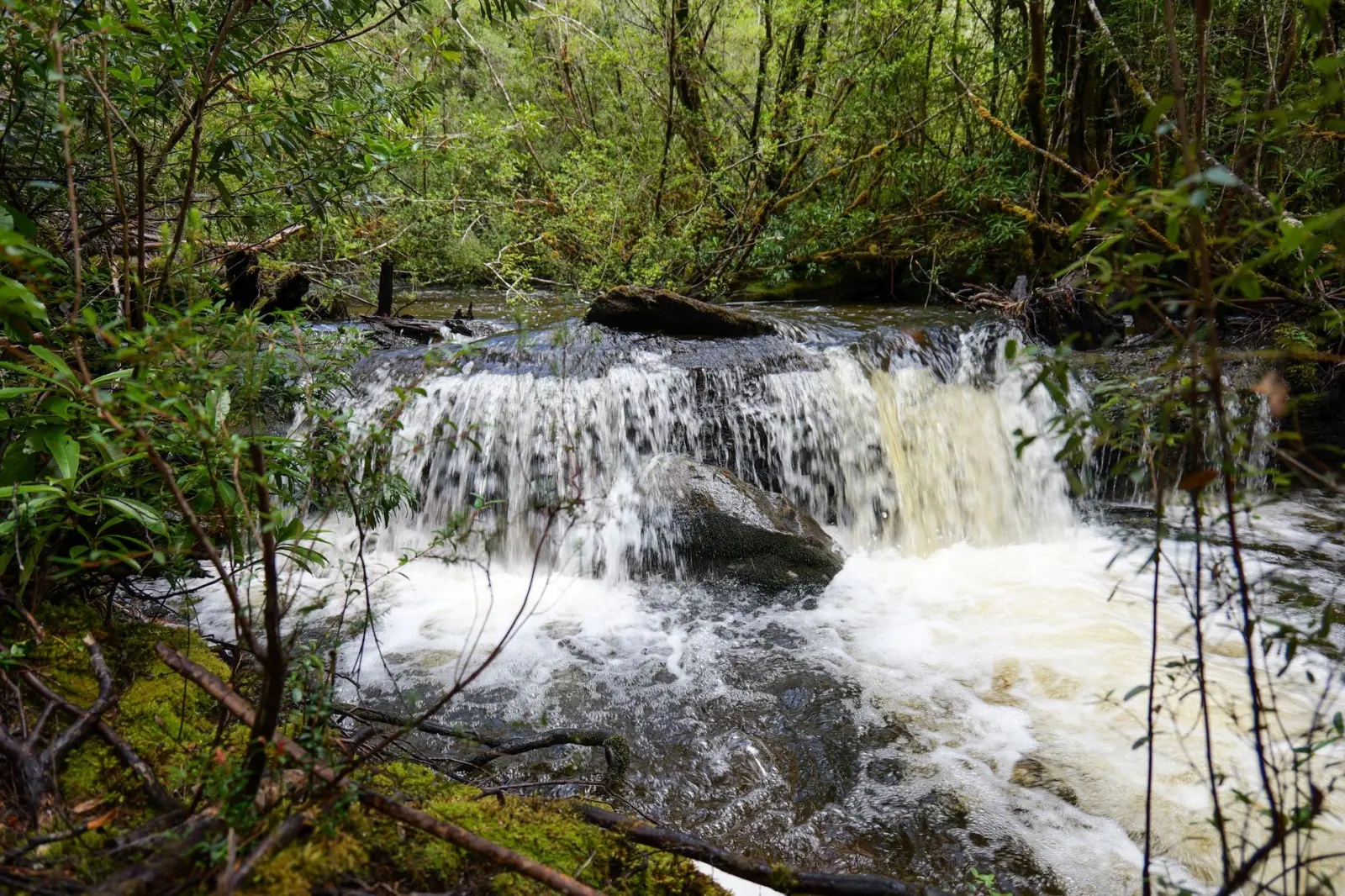
The rainforests of northeastern Australia – particularly in Queensland and parts of northern New South Wales – create specific conditions that mullet exploit. These aren’t the dry, sparse waterways of inland Australia. Rainforest streams run year-round, fed by persistent moisture and seasonal deluges that can transform a modest creek into a torrent within hours. Mullet have adapted to this rhythm. They move upstream during wet season floods when water volume and flow create pathways into areas normally inaccessible, then settle into deeper pools and slower sections when water levels drop.
The dominant mullet species in these regions are the flathead mullet and the sea mullet, though several smaller species occupy specific niches. Flathead mullet are the generalists – they tolerate brackish water, freshwater, and full saltwater with equal ease. Sea mullet are more specialized; they’re anadromous, meaning they move between saltwater and freshwater at different life stages. Both species are detritivores, feeding on organic matter, algae, and sediment rather than hunting actively. This feeding strategy means they concentrate wherever organic material accumulates – which in rainforest systems is almost everywhere, given the constant leaf litter and decomposing vegetation.
Habitat Distribution and Water Conditions
Mullet don’t randomly distribute themselves through rainforest waterways. They cluster in zones where conditions align with their needs. In the lower reaches of rainforest streams – the sections where freshwater meets tidal influence – you’ll find the highest densities. These transition zones have stable salinity levels that fluctuate predictably, abundant food sources from both terrestrial and marine inputs, and deeper water that provides refuge during low-flow periods.
The upper reaches of rainforest streams, where water is purely fresh and often turbid from suspended sediment and tannins, hold fewer mullet. The water chemistry in these areas is acidic from decomposing vegetation, and while mullet can tolerate this, it’s not their preferred habitat. They tend to move upstream only during flood events when the water volume and current make migration possible and worthwhile. Once flood waters recede, they retreat to the brackish and lower freshwater zones where conditions are more stable.
Seasonal variation shapes mullet movement more dramatically than most people realize. The Australian wet season – roughly November through March in the north – brings sustained rainfall and elevated stream flows. During this period, mullet actively migrate, particularly sea mullet moving inland to spawn in freshwater pools and streams. The dry season reversal is equally significant. As water levels drop and salinity increases in lower reaches, mullet become more concentrated in remaining deep pools. These compressed populations can be vulnerable to predation, disease, and oxygen depletion if pools become too stagnant.
Ecological Role and Food Web Connections
Mullet function as a crucial link in rainforest aquatic food webs, though their importance is often overlooked. As detritivores, they process enormous quantities of organic material – dead leaves, decomposing wood, algae biofilms, and sediment-bound nutrients. This feeding activity actually improves water quality by reducing the buildup of organic matter that would otherwise consume dissolved oxygen as it decays. In rainforest streams, where leaf litter input is constant and substantial, mullet populations help maintain a balance that prevents the water from becoming anoxic.
They’re also a significant food source for larger predators. Barramundi, threadfin, and various catfish species in the lower reaches hunt mullet actively. In the upper freshwater sections, freshwater crocodiles and water pythons take mullet when the opportunity arises. Waterbirds – cormorants, herons, and kites – focus on smaller individuals or juveniles. The presence of a healthy mullet population indicates that the broader aquatic food web is functioning; their absence or dramatic decline often signals a problem upstream, whether it’s pollution, altered water flows, or habitat degradation.
Juvenile mullet, in particular, depend on shallow, vegetated margins of rainforest streams. These nursery areas provide protection from predators and abundant small food items. When rainforest streams are cleared or modified – when riparian vegetation is removed or stream banks are hardened – these juvenile habitats disappear. The mullet population doesn’t vanish immediately, but recruitment fails. You see adults persisting in deeper pools, but few young fish replacing them. This is a pattern I’ve observed repeatedly in streams where land use has changed upstream.
Practical Visibility and Observation
If you’re traveling through rainforest regions and actually looking at the water, mullet are visible in most permanent waterways, though spotting them requires attention to conditions. Early morning when the water is still and light penetration is good offers the best viewing. Look for movement in shallow margins or slight disturbances near the surface where mullet are feeding on algae films. In murky water – which is common in rainforest streams due to tannins and suspended sediment – you’ll see surface ripples and occasional flashes of silver as fish move, but clear sighting is difficult.
The size variation is notable. Flathead mullet in rainforest systems typically reach 30 to 50 centimeters, though larger individuals are present. Sea mullet can exceed a meter in length, particularly in the lower reaches where they have access to marine food sources. Juveniles, barely visible in the water, cluster in shallow areas with overhanging vegetation. If you’re wading or swimming in rainforest streams, you’ll often feel small fish brushing against your legs – these are frequently juvenile mullet.
Water clarity and season determine how easily you observe them. During the dry season, when water levels are low and clearer, mullet are more visible but also more concentrated and stressed. During the wet season, water turbidity increases dramatically, but mullet are more dispersed and active. The trade-off means that neither season offers perfect viewing conditions – it’s simply different types of difficulty.
The relationship between mullet populations and overall rainforest stream health is direct and observable. Streams with diverse, abundant mullet populations typically have stable water flows, intact riparian vegetation, good water quality, and functioning predator-prey relationships. Streams where mullet are scarce or absent usually have underlying problems that extend beyond the fish themselves. Understanding what mullet need – and what their presence or absence indicates – gives you a practical baseline for assessing the ecological condition of any rainforest waterway you encounter.