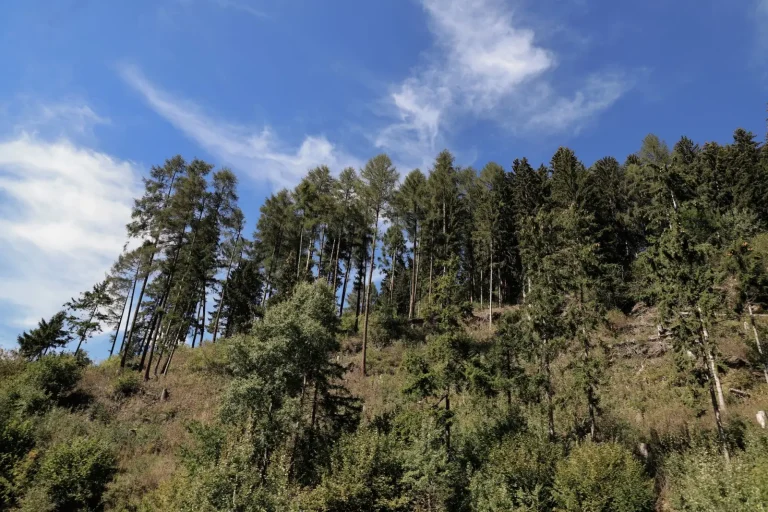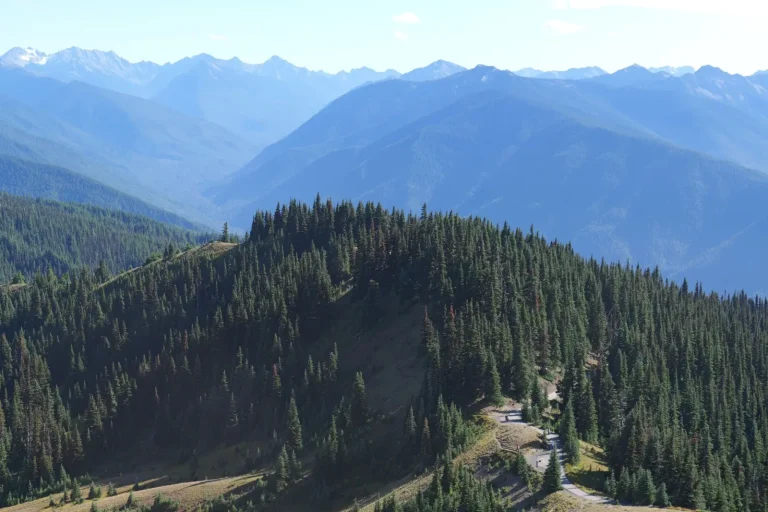

Eungella National Park sits in the elevated ranges west of Mackay, and the forest here behaves differently than most people anticipate. The elevation – around 600 to 900 metres depending on where you are – creates a microclimate that feels subtropical one moment and temperate the next. I’ve spent enough time moving through these trails to know that the park’s reputation for beauty is earned, but so is its reputation for being harder work than the photographs suggest.
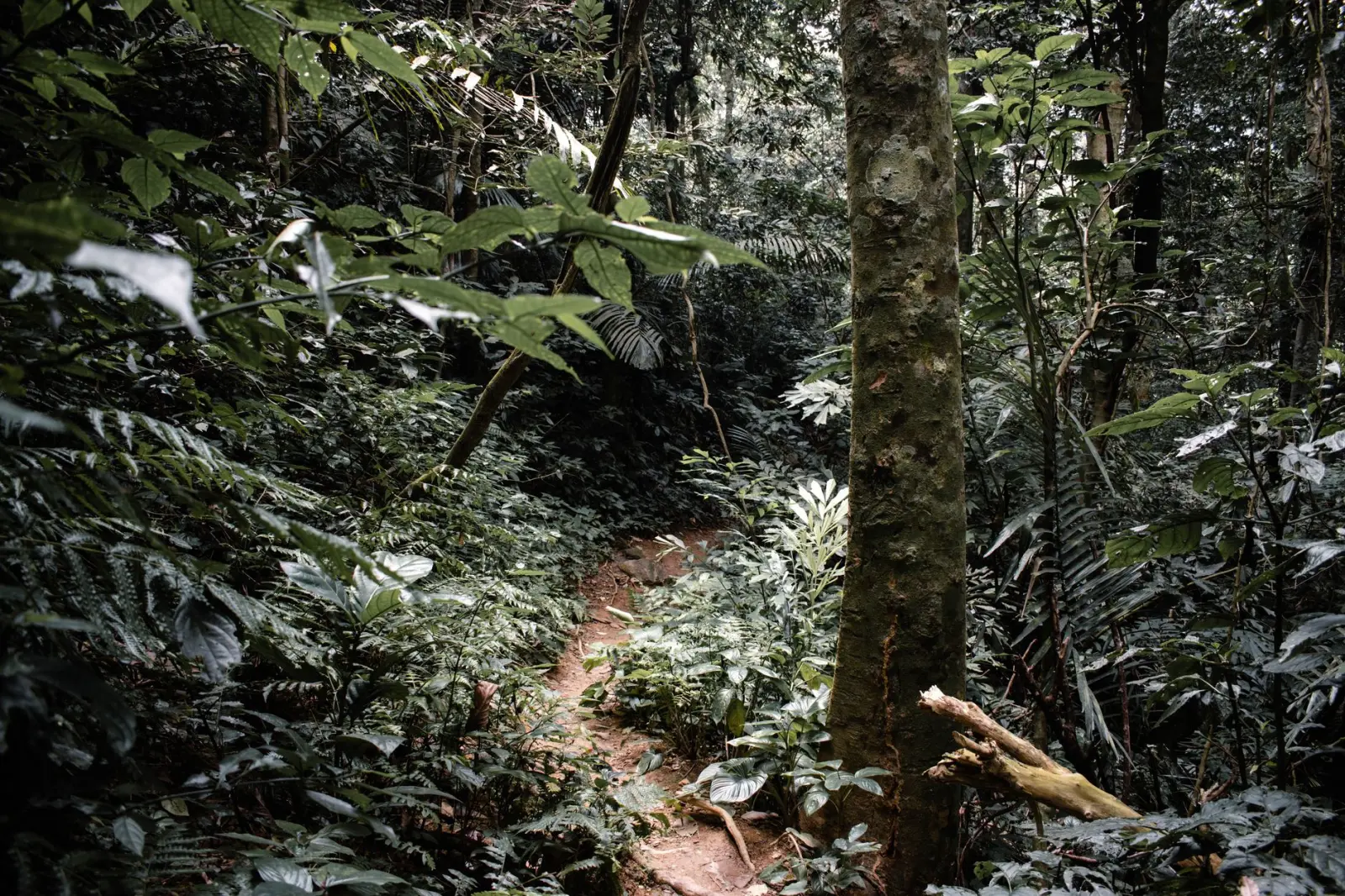
The first thing that strikes you when you step into Eungella’s main forest areas is the density. This is not open bushland or sparse woodland. The canopy is thick, light filters through in patches, and the understory is layered with ferns, vines, and fallen timber. Walking pace slows naturally. Even on marked trails, you’re constantly aware of footing, overhanging branches, and the sheer amount of vegetation pressing in from all sides. This changes how you plan your day. A trail marked as 5 kilometres might take two hours instead of one, not because of steep terrain alone, but because forward momentum is simply constrained by the environment.
Water, Humidity, and Physical Toll
The park’s creeks and waterfalls are genuine attractions, but they also indicate something about the terrain. Where there’s flowing water, there’s usually a valley, and valleys mean descent and ascent. The Palmerston Section, where many visitors head for the main falls, involves real elevation change. The walk down to the falls is manageable, but the return climb – especially in the humidity that builds during the day – catches people off guard. I’ve seen fit hikers struggle on the way back, not from the distance, but from the combination of steep grades, slippery surfaces, and the oppressive humidity that doesn’t ease even in the shade.
Humidity here is relentless. Even in cooler months, the forest holds moisture. Your clothing becomes damp not from rain necessarily, but from the air itself. This affects how your body regulates temperature and how quickly fatigue accumulates. Sweat doesn’t evaporate efficiently, so you stay wet and warm longer than you’d expect. Bring more water than you think you’ll need, and plan for the fact that you’ll move more slowly and tire more readily than on dry, open terrain.
Trail Conditions and Navigation
The main trails are marked, but marking standards vary. Some sections have clear blazes or cairns; others rely on the trail being worn enough to follow. After rain, which is common, the distinction between trail and surrounding forest becomes less obvious. The ground is often soft, sometimes boggy, and tree roots create a natural staircase that’s navigable but demands attention. I’ve watched people turn back not because they were lost, but because they underestimated how much concentration the terrain requires.
The Broken River and Finch Hatton Gorge sections are the most trafficked and tend to be better maintained. If you’re exploring less-visited routes – and there are several – expect older trail markers, less obvious footing, and sections where the path narrows considerably. None of this makes them dangerous if you’re moving deliberately, but it does mean you need to be present and not on autopilot.
Wildlife and Timing
Eungella is known for platypuses in the creeks, and they’re genuinely there, but seeing them requires patience and luck. Early morning – genuinely early, before most day-walkers arrive – offers the best chance. By mid-morning, the noise and movement of visitors pushes most wildlife deeper into the forest. Birds are more consistent. The soundscape of the forest is often more interesting than spotting individual animals. Lyrebirds, various honeyeaters, and other species create a constant background that tells you the forest is active and healthy.
Timing your walk matters for practical reasons beyond wildlife. Starting early means you finish before afternoon heat peaks and before afternoon rain becomes likely. The park can receive significant rainfall, and afternoon thunderstorms are not uncommon, especially in warmer months. A trail that was manageable in the morning can become genuinely slippery and harder to navigate in the afternoon.
What Gets Overlooked
Most people focus on the main attractions – the waterfalls, the lookouts – but the actual experience of moving through the forest is what defines the visit. The texture of the bark, the smell after rain, the way sound behaves differently under a dense canopy, the constant presence of insects and small movements in the undergrowth. These details matter because they’re what make the walk feel real rather than like a checklist item. They also demand a pace that allows you to notice them, which means accepting that you won’t cover distance quickly.
Fitness helps, but it’s not the only factor. I’ve seen people with excellent cardiovascular fitness struggle because they’re not used to navigating complex terrain or because they haven’t developed the mental patience that rainforest walking requires. Conversely, people who move slowly but steadily, who stop to look around, and who don’t fight the environment’s pace often have better experiences and finish less exhausted.
The park’s infrastructure – facilities, parking, accommodation nearby – is functional but not luxurious. The visitor centre provides information, but much of what you learn comes from being in the forest itself. Expect basic amenities and plan accordingly. The appeal of Eungella is the forest, not the facilities.
If you’re considering a visit, commit to a pace that lets you actually experience the place. The trails aren’t long by absolute distance, but they’re substantial by effort. Bring appropriate footwear with grip, extra water, and a willingness to move slowly. The forest rewards attention and punishes rushing. That’s not a flaw in the park; it’s what makes it worth visiting.