
Spending time in the rainforests of eastern Australia teaches you quickly that seeing mammals here is not like visiting a zoo or even a typical wildlife sanctuary. The animals exist in abundance, but they’ve evolved to avoid being seen. After years of moving through these forests – from the subtropical pockets of northern New South Wales through to the wet tropics of Far North Queensland – I’ve learned that patience and timing matter far more than effort or luck.
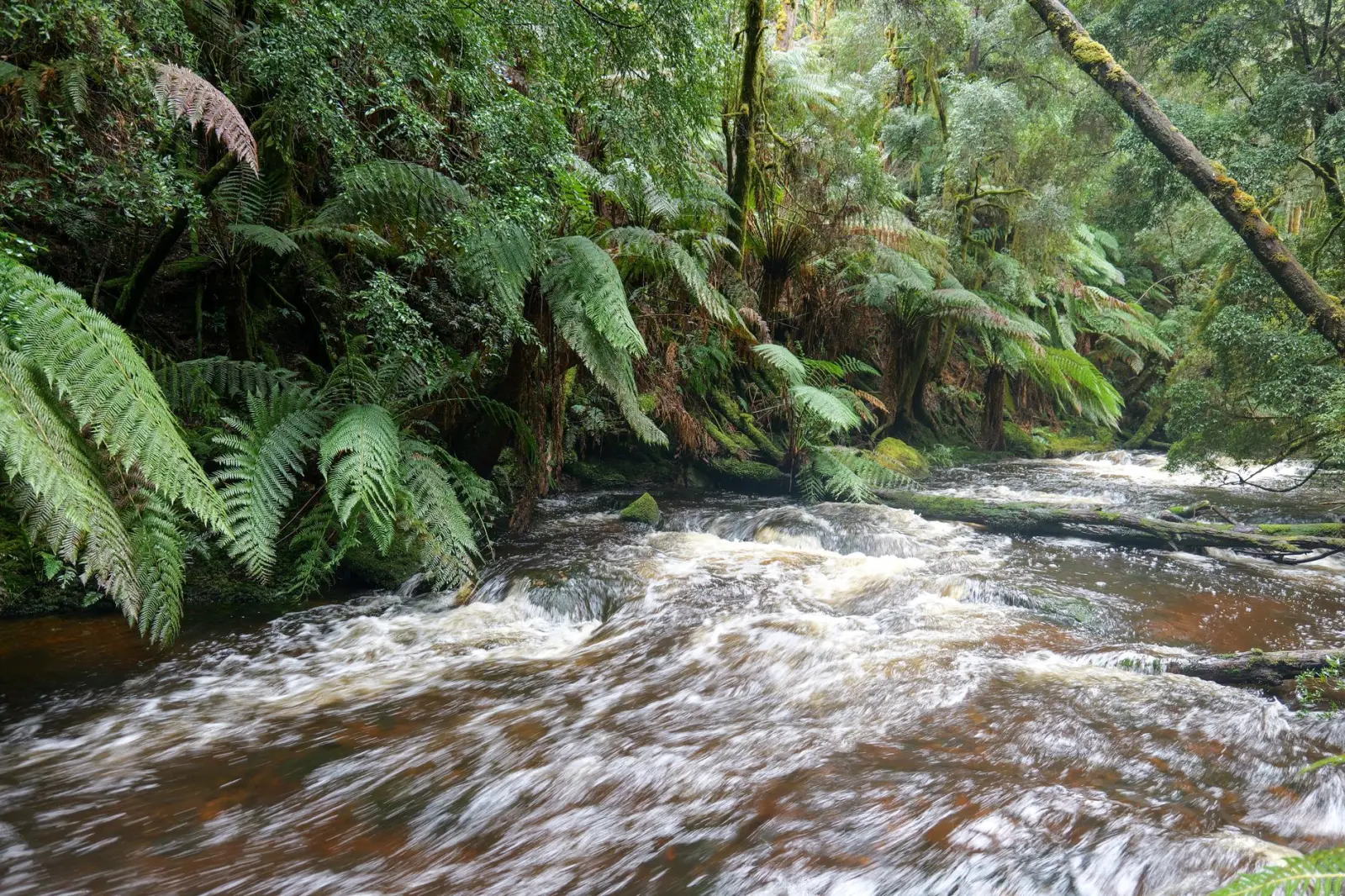
The rainforests themselves are dense, layered ecosystems where visibility often drops to just a few meters. The canopy is thick enough to filter sunlight into a perpetual twilight at ground level. Most mammals here are either nocturnal or crepuscular, meaning they’re active at dawn, dusk, or through the night. This isn’t incidental to their biology; it’s the core adaptation that lets them thrive. During the heat of the day, you’ll walk through sections where you hear almost nothing and see virtually no movement. The forest feels empty, but it isn’t.
The Marsupials You Might Recognize
Kangaroos and wallabies are present in eastern Australian rainforests, but they occupy specific niches. The red-necked wallaby is common in the more open understory and forest margins, particularly where the canopy has broken and grasses have established. I’ve encountered them most reliably in early morning or late afternoon in these transitional zones. They move with a distinctive bounding gait and are relatively bold compared to other rainforest mammals. If you’re hiking and see a wallaby, it’s usually because you’ve entered an area where the forest is thinning rather than deepening.
Pademelons – smaller, stockier marsupials – are different. The red-legged pademelon inhabits the dense, wet rainforest proper. They’re solitary foragers, moving through the leaf litter at night and resting in thick vegetation during the day. I’ve found their tracks many times but have seen the animals themselves only a handful of times across multiple visits. They’re built for stealth in a way wallabies aren’t. Their presence is more often confirmed through scat and feeding signs than through direct observation.
Possums and Gliders in the Canopy
The canopy is where much of the mammalian activity actually occurs, and it’s largely invisible to someone walking below. Brushtail possums are common throughout eastern rainforests, and their presence is usually announced by sound rather than sight. At dusk or during the night, you’ll hear them moving through branches with surprising heaviness for their size, sometimes crashing through foliage in ways that seem far too loud for an animal weighing only a few kilograms. They’re vocal too – grunts, coughs, and aggressive calls echo through the forest at night. Despite this noise, seeing one requires either a spotlight at night or considerable luck during the day.
Sugar gliders inhabit the same forests, though they’re less commonly encountered. They’re smaller, more delicate, and their nocturnal activity is even more pronounced. I’ve seen them only a few times, always at night with a spotlight, always in trees with suitable bark for their gliding launches. They leave little evidence of their presence during daylight hours. The same applies to greater gliders, which are larger and more specialized in their habitat requirements. These animals exist in the rainforest ecosystem, but they operate on a schedule and in a space that most visitors simply don’t access.
Smaller Mammals and Nocturnal Specialists
Bandicoots and burrowing bettongs are present but elusive. The northern brown bandicoot, for instance, is active at night, foraging through the leaf litter for invertebrates. You might find their digging marks in soft soil or leaf litter – small, cone-shaped holes where they’ve been searching for food. But the animals themselves are rarely seen. They’re quick, nervous, and have excellent hearing. A human approaching on a trail will send them fleeing long before visual contact occurs.
Echidnas are more visible, partly because they’re diurnal and move slowly. I’ve encountered them several times in rainforest areas, usually in the early morning or late afternoon. They’re solitary, focused entirely on finding ants and termites, and they seem relatively unbothered by human presence as long as you don’t approach too closely. Their presence in a rainforest indicates a certain dryness or openness in the understory – they need enough ground access to forage effectively. In the deepest, wettest sections of rainforest, they’re absent or extremely rare.
Bats: The Most Active Rainforest Mammals
Bats are genuinely abundant in eastern Australian rainforests, and they’re the one group of mammals you’re likely to encounter with some regularity, particularly at dusk. The spectacled flying fox, a large fruit bat, emerges at sunset in spectacular numbers in certain locations. I’ve watched hundreds of them launch from roost trees in coordinated waves, their silhouettes crossing the sky in a way that’s both impressive and somewhat unsettling if you’re not expecting it. These bats are conspicuous because they’re large, active during twilight hours, and move predictably between roosting and feeding sites.
Smaller insectivorous bats are harder to observe directly, but their activity is evident if you’re paying attention. At dusk, the air fills with their movement. You might catch glimpses of them hawking insects above clearings or along forest edges. They’re fast, erratic in their flight paths, and difficult to identify without specialized equipment. Their presence is more a matter of atmospheric awareness than direct sighting.
Practical Realities of Rainforest Mammal Watching
The fundamental challenge with observing rainforest mammals in eastern Australia is that the habitat itself works against observation. The density of vegetation, the darkness of the understory, and the evolved behavior of the animals all conspire to keep them hidden. This isn’t a flaw in the system; it’s the system working exactly as it should. The mammals are there. The forest supports them. But they’re not obligated to be visible.
Timing matters. Early morning and late afternoon are genuinely better times to move through these forests if you want any chance of seeing larger mammals. The animals are more active, the light is better, and there’s less heat stress on both you and the wildlife. Night walks with a spotlight are the most reliable way to see nocturnal species, but they require local knowledge or a guide who understands where animals are likely to be and how to move without disturbing them excessively.
Sound is often more informative than sight. Learning to recognize the calls and movement sounds of different species – the heavy footfalls of a possum, the rustle of a bandicoot, the distinctive calls of various birds that sometimes alert you to predators or competitors nearby – gives you a deeper sense of what’s actually present. This kind of awareness develops over time and multiple visits. It’s not something you can acquire from a field guide or a single afternoon walk.
The rainforests of eastern Australia are genuinely rich in mammalian life. The animals are there, adapted and thriving. But experiencing them requires accepting that most of what you encounter will be indirect – tracks, scat, sound, and the subtle signs of activity rather than face-to-face meetings. This isn’t a limitation; it’s an invitation to develop a different kind of observation, one that’s more attentive to the forest as a living system rather than as a backdrop for wildlife viewing.