
Lake Barrine sits in the Atherton Tableland, surrounded by one of Australia’s oldest rainforests. The walk around it is frequently described as easy, scenic, and manageable for most fitness levels. That’s not wrong, but it’s incomplete. After multiple visits across different seasons, the experience varies considerably depending on when you go, how prepared you are for the actual ground conditions, and what you’re genuinely expecting to encounter.
The lake itself is crater-formed, roughly circular, and the main walking track circumnavigates it almost entirely. The distance is approximately 6 kilometres for the full loop, though most people walk partial sections rather than the entire circuit. What matters more than the distance is understanding what the terrain actually demands from your body and what the rainforest environment will throw at you.
The Ground and What It Does to Your Pace
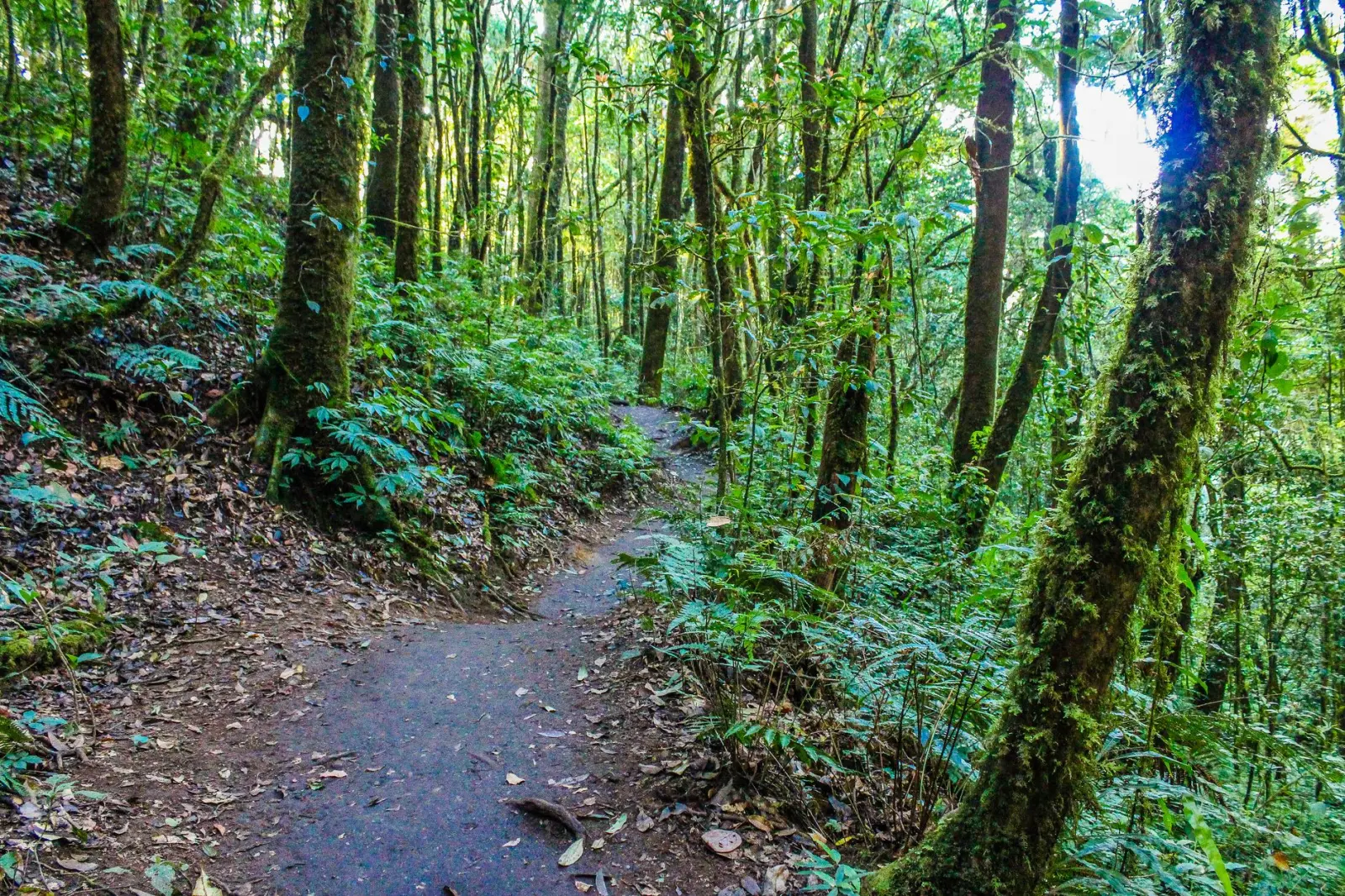
The track is well-maintained and marked, but “well-maintained” doesn’t mean smooth or flat. The rainforest floor is uneven. Exposed tree roots cross the path constantly, and they’re not obstacles you step over once – they appear throughout the entire walk. The soil is often damp even when it hasn’t rained recently, because the canopy keeps moisture in and sunlight out. This affects grip and footing in ways that aren’t obvious until you’re actually walking.
Sections of the track have been paved or have boardwalk sections, particularly near the car park and around the popular viewing areas. These sections feel easier and faster. The unpaved sections, which make up the majority of the walk, require more attention to foot placement. Your pace will naturally slow. A person who walks 5 kilometres per hour on flat pavement will likely move at 3 to 3.5 kilometres per hour here, even if they’re reasonably fit. This matters when you’re planning how long the walk will take or whether you have time to complete a particular section before daylight fades.
The elevation changes are gentle but persistent. You’re not climbing a mountain, but you’re rarely walking on truly flat ground. The cumulative effect of gentle inclines, combined with the uneven footing, means your legs and lower back will feel the walk more than the distance alone suggests.
Moisture, Humidity, and Physical Fatigue
The rainforest is humid. Even on days that feel warm and pleasant when you arrive, the humidity under the canopy is substantial. Your body will sweat more than you expect, and the sweat doesn’t evaporate efficiently because of the moisture already in the air. This creates a sensation of being damp and uncomfortable that accumulates over the course of the walk.
Dehydration is a genuine concern, not because the climate is hot in the traditional sense, but because the combination of humidity and physical exertion causes fluid loss that doesn’t feel as obvious as it would in a dry environment. People regularly underestimate how much water they need. A 2-hour walk around the lake in humid conditions will require more water than a similar walk in an open, dry landscape.
The humidity also affects how quickly you become tired. Your cardiovascular system works harder in humid conditions to regulate body temperature. You’ll feel fatigue setting in earlier than you would on a drier walk of equivalent distance and elevation. This is particularly noticeable if you visit during the warmer months or after a period of heavy rain.
Wildlife and What You’ll Actually See
The rainforest around Lake Barrine is home to numerous bird species, small mammals, reptiles, and insects. The reality of encountering them is less dramatic than the potential for encountering them. You’ll hear birds constantly – the soundscape is dominated by calls, particularly in early morning or late afternoon. Identifying specific species requires patience and often binoculars. Seeing them clearly is less frequent than hearing them.
Cassowaries inhabit the region, and their presence is noted in signage and information. Actual sightings are uncommon, though their tracks and feeding signs are visible if you know what to look for. The walk is safe in terms of dangerous wildlife encounters, but the forest is genuinely inhabited by wild animals, and you’re moving through their space rather than observing them in an enclosed setting.
Smaller creatures – lizards, skinks, and various insects – are visible regularly if you’re attentive. The leaf litter and low vegetation support significant invertebrate populations. Leeches are present during wet seasons and can be an irritant, though they’re not dangerous. If you’re walking after rain or during humid periods, wearing long socks pulled up over your pant legs and checking your skin periodically is practical prevention rather than paranoia.
Timing and Daylight Considerations
The canopy is dense, which means the track is shaded throughout. This is a benefit in terms of temperature regulation, but it also means the light is dim compared to open areas. As afternoon progresses, the light becomes noticeably dimmer. If you start a walk in late afternoon expecting to complete a full circuit, you’ll likely find yourself finishing in near-darkness or having to turn back earlier than planned.
Early morning visits offer the best light and the most active wildlife activity. The air is cooler, and the humidity, while still present, feels less oppressive. The track is also less crowded. If you’re visiting during school holidays or weekends, an early start makes a significant difference to the experience.
Seasonal variation affects daylight hours substantially. A walk that feels straightforward at 2 PM in summer can feel rushed at the same time in winter, when daylight diminishes earlier. This is worth considering when planning your visit, particularly if you’re walking alone or with people who are less experienced on uneven terrain.
The Lake Itself and Viewing Opportunities
The lake is visible from multiple points along the track, but views are often partially obscured by vegetation. The water is dark – tannin-stained from the rainforest – rather than the clear blue of mountain lakes. This is normal and reflects the ecosystem, but it’s visually different from what many people anticipate. The lake supports fish species and is occasionally used for swimming at designated areas, though the water temperature is cool year-round.
The most accessible and popular viewing areas are near the car park and facilities. The track continues beyond these points, and the experience becomes quieter and more immersive as you move away from the main facilities. The contrast between the busy, accessible sections and the quieter portions of the track is worth experiencing if you have time.
Lake Barrine works as a walk because the track is maintained and safe, the distance is manageable, and the rainforest environment is genuinely interesting. What actually happens during the walk depends heavily on when you go, how you prepare physically, and what you’re genuinely expecting. The experience is less about dramatic views or rare wildlife encounters and more about moving through an old, dense forest ecosystem where the ground is uneven, the air is humid, and the pace is slower than you might anticipate. That’s not a limitation – it’s the actual nature of the place.