
Curtis Falls sits in one of Queensland’s oldest rainforest reserves, and the walk to reach it has become something of a default choice for people visiting Mount Tamborine. The appeal is obvious: it’s marketed as accessible, it’s close to the carpark, and the waterfall itself is genuinely worth seeing. What tends to happen, though, is that people arrive with expectations shaped by the distance alone – around 2.5 kilometres return – and find themselves dealing with something physically quite different from what they anticipated.
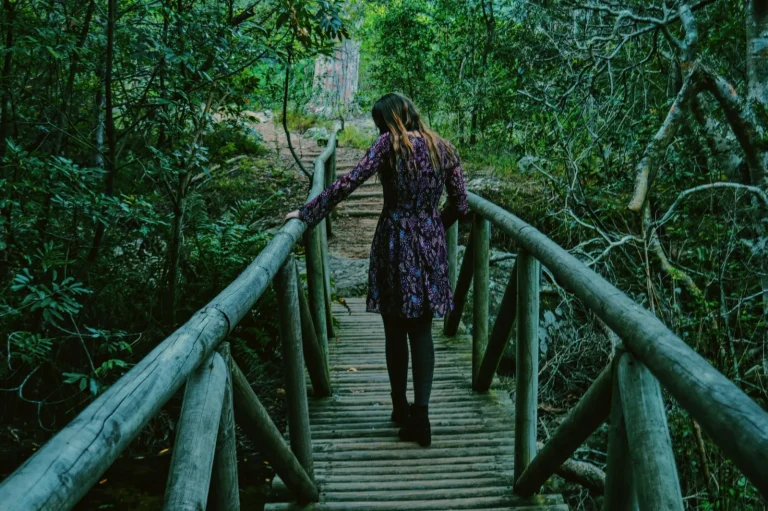
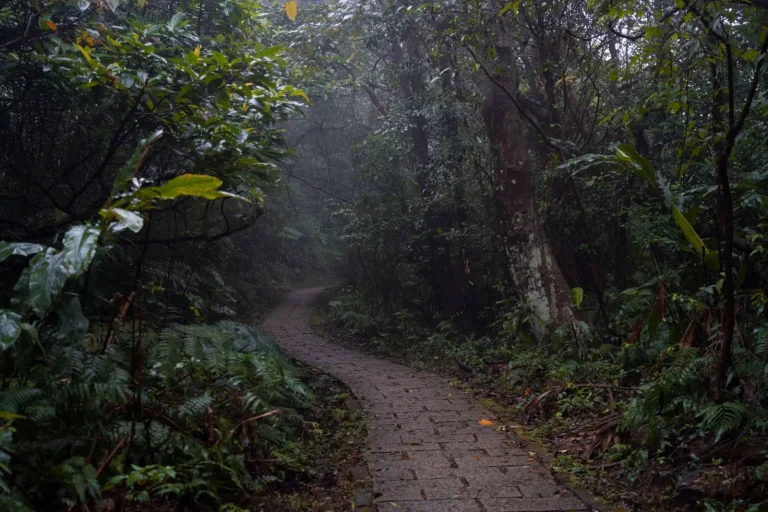
The track begins easily enough. The first section is almost deceptively gentle, winding through open rainforest with good footing and minimal elevation change. This is where most walkers settle into a rhythm and assume the whole walk will maintain this pace. It doesn’t. The real character of the walk emerges once you commit past the initial stretch, and by then you’re already invested in reaching the falls.
The Steepness Catches Most People Off Guard
The descent to Curtis Falls is relentless. It’s not a gradual slope that builds progressively – it’s a sustained drop that demands constant attention to foot placement and balance. The track narrows as it descends, and the rainforest canopy becomes denser. Humidity builds noticeably, especially in warmer months. Your legs feel the work immediately, and the impact on your knees on the return climb is something people consistently underestimate.
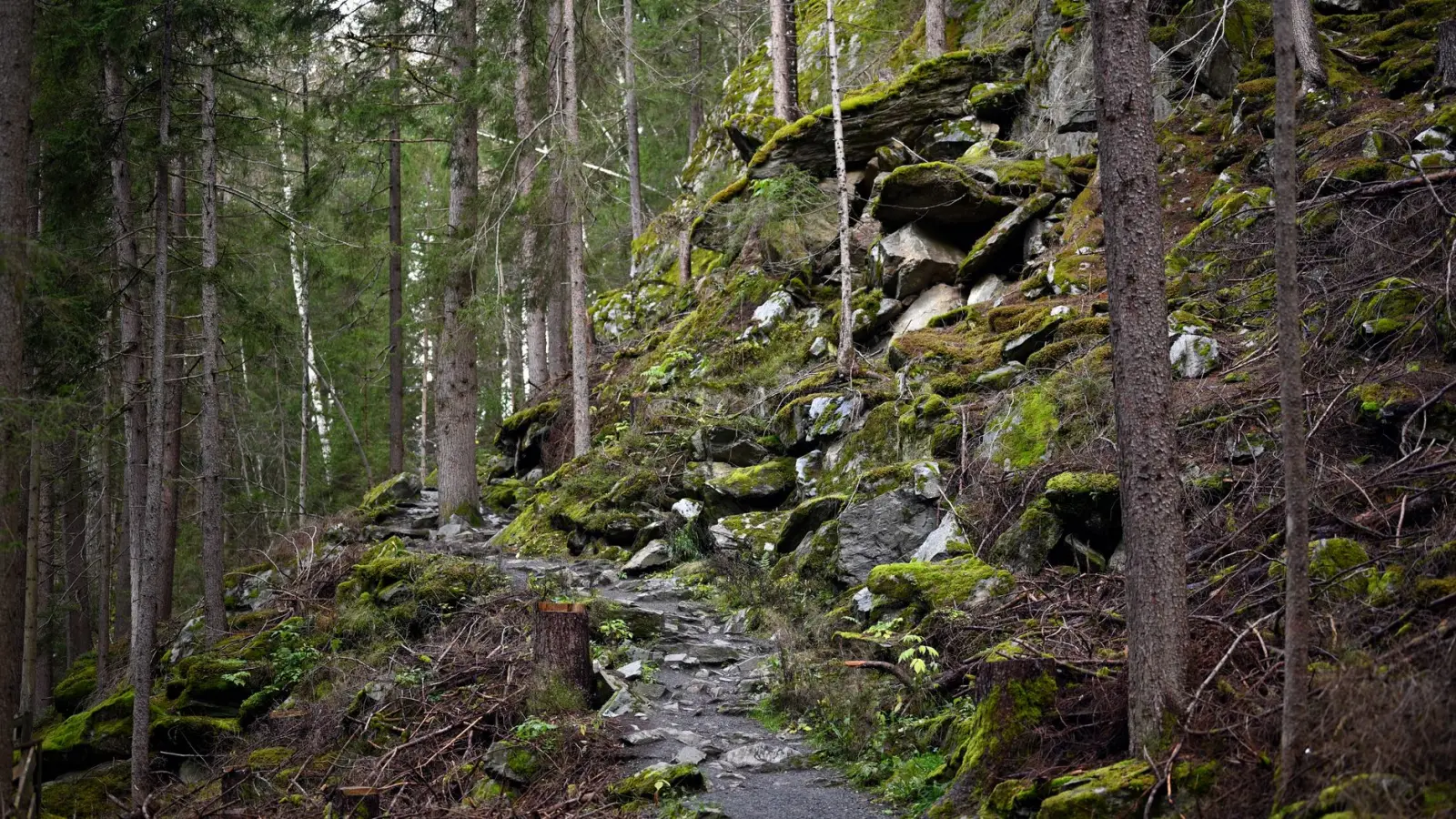
I’ve watched fit walkers struggle with this section simply because they didn’t pace themselves on the way down. The temptation is to move quickly once you’re descending, but the track surface – a mix of exposed roots, loose soil, and sometimes wet rock – doesn’t reward speed. Slipping is common enough that you need to treat every step as deliberate. If you’re walking with someone less experienced, the descent can take considerably longer than you’d estimate based on distance alone.
The return climb is where people really notice what they’ve committed to. It’s a solid 200-metre elevation gain over a short distance, and it comes at the end of your walk when fatigue is already setting in. The track is steep enough that you can’t maintain a steady walking pace – it becomes a series of short bursts with brief pauses. People who arrived thinking this was a casual 45-minute stroll often find themselves taking 90 minutes or more.
Water and Weather Shape the Experience Dramatically
The walk changes character depending on when you do it. During dry periods, the track is firm and reasonably forgiving. After rain, it becomes slippery and treacherous. The exposed roots that provide grip when dry become hazards when wet, and the soil turns into something closer to mud. I’ve seen the walk go from straightforward to genuinely risky within 24 hours of heavy rain.
Humidity is the other variable that most people don’t account for until they’re already on the track. Mount Tamborine’s rainforest sits in a moisture-rich environment, and even on days when the temperature seems moderate, the humidity can be oppressive. Your body works harder in that environment, and dehydration happens faster than you’d expect. The dense canopy means there’s little breeze to cool you, and the shade, while welcome, also means you don’t get the same temperature cues that would normally tell you to slow down.
Winter months (June to August) offer the most comfortable conditions. The humidity drops noticeably, and the cooler temperatures mean you’re not working against heat while climbing. Spring and autumn are unpredictable – you might get perfect conditions or you might get rain that makes the track genuinely hazardous. Summer is hot and humid, and if you’re walking in the afternoon, you’re dealing with both the physical demands of the track and the accumulated heat of the day.
The Waterfall Itself and What Comes After
Curtis Falls is a proper waterfall, not a trickle. It drops into a pool that’s deep enough to swim in, though the water is cold year-round. The rock formations around the base are slippery, and people do slip here regularly. The rocks are worth respecting – they’re wet, they’re algae-covered, and they don’t provide the grip you think they will.
Most walkers spend 15 to 30 minutes at the falls. Some swim, others just rest and recover before facing the climb back up. This is where you need to be honest about your energy levels. The return journey is harder than the descent, and you can’t rush it. People who arrive at the falls already fatigued often find the climb back significantly more difficult than they expected.
The track back up is the same route you descended, so there are no surprises in terms of routing. What changes is your physical state. Your legs are already tired, your cardiovascular system is already working hard, and the mental component of facing a steep climb when you’re already fatigued shouldn’t be underestimated. Pacing matters more on the way up than on the way down. Moving slowly and steadily is genuinely faster than trying to push through and needing multiple rest stops.
Practical Realities That Matter
The carpark fills up quickly on weekends and public holidays. If you’re planning to walk Curtis Falls, arriving early is essential. A full carpark means you’ll either need to park further away or come back another day. The walk itself is popular enough that you’ll rarely have solitude, especially during peak hours.
Footwear makes a real difference here. Runners work, but trail shoes with better grip and ankle support are noticeably better, particularly on the descent. The track is rough enough that your feet will feel it by the end of the walk, and good footwear reduces the impact on your joints during the climb back up.
Water is essential. The walk doesn’t have water sources along the track, so you need to carry everything you’ll need. Two litres is a reasonable baseline, more if you’re walking in warm weather or if you’re slower-paced. The falls themselves aren’t a reliable water source – the water is cold and you’d need to treat it.
The walk is achievable for most people with reasonable fitness, but it’s not the casual stroll the distance might suggest. It’s a real rainforest walk with genuine elevation change and demanding footing. Understanding what you’re actually signing up for makes the difference between a satisfying experience and one where you’re struggling through the final climb wondering why you didn’t do more preparation.